The humble hallway is the evolutionary descendant of the medieval great hall
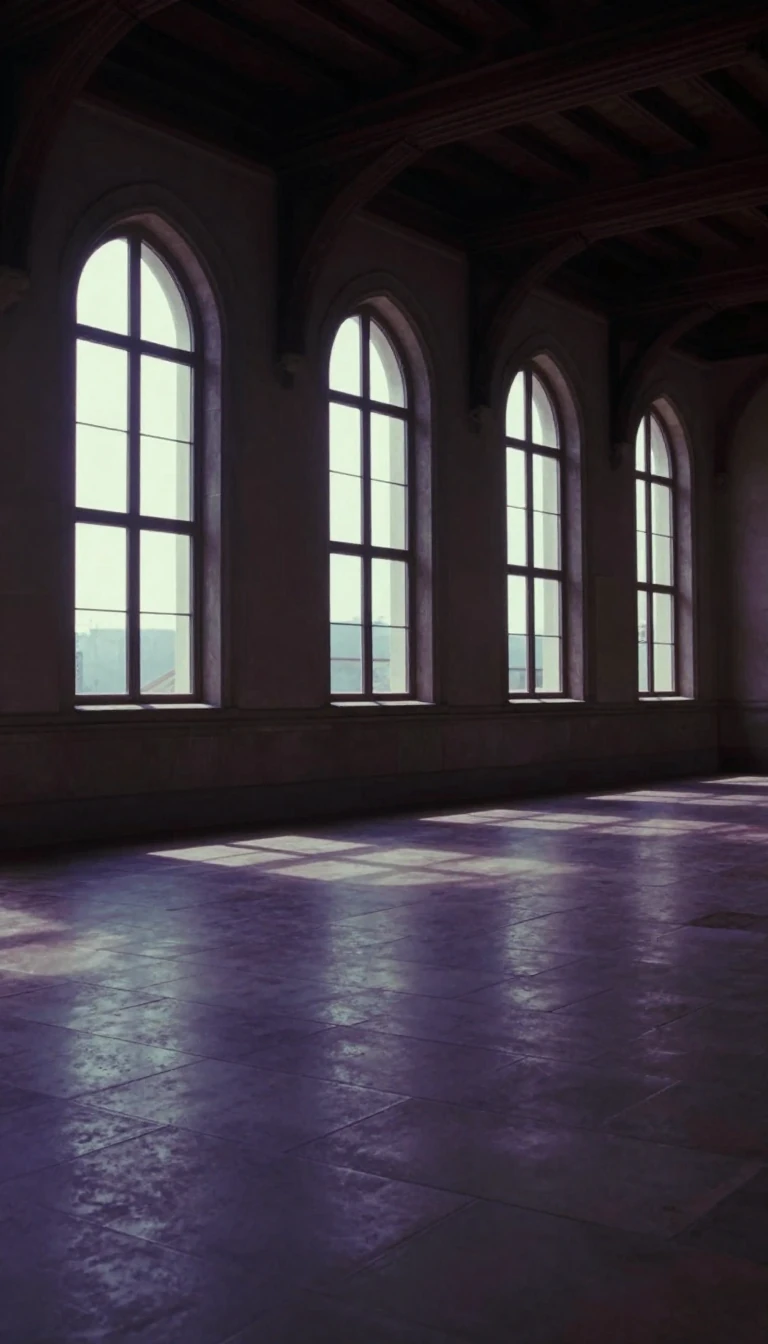
In short: Once the beating heart of the home, the hall was where lords and servants alike ate, worked, and slept around a single hearth. As domestic life demanded more privacy and specialized spaces, this grand communal room fragmented, eventually shrinking into the transitionary corridor we recognize in modern architecture today.
In the Iron Age and Early Middle Ages, the hall was the central architectural feature of northern European life. Whether in a manor or a longhouse, the hall served as a multipurpose space where the entire household gathered for warmth and sustenance. It was the location of the hearth, the primary source of heat and light, and the site of almost all daily activity. Only the most disruptive tasks were relegated to the periphery, while the master, retainers, and servants shared the same floor for eating and sleeping.
The transition from communal living to segmented privacy began as heating technology advanced and social norms shifted. By the late medieval period, masters of the house began withdrawing into private chambers, followed eventually by children and staff. This evolution saw the hall’s functions—kitchen, dormitory, and parlour—divided into distinct rooms. By the 17th century, the 'hall and parlor' house became a standard floor plan in England and parts of the United States, marking a move toward specialized domestic zones. As houses grew more complex, the need to connect these rooms led to the rise of the corridor, a development credited to architect John Thorpe in 1597.
Today, the term persists in varied contexts, reflecting its historical roots. In academic institutions like Oxford and Cambridge, 'Hall' denotes both the communal dining space—a direct descendant of the medieval great hall—and, in some cases, the entire college itself. Meanwhile, in modern residential design, the entrance hall has largely been reduced to a vestibule or corridor. Whether serving as a foyer in a theatre or a prayer hall in a mosque, the concept of the hall remains tied to its origins as a space for gathering, even as its physical form has been reshaped by the modern demand for privacy and efficiency.
Opens the Intellect+ feed with this card first. Swipe up for the next one.
Sources
- Summary by Intellect · source: Hall
To cite this card, link to https://intellectplus.co.uk/app/society-hall.
How we source, check and correct cards: Editorial standards.
General information, not professional advice. Spotted an error? Flag the card or see corrections and complaints.
Intellect Plus is a visual educational discovery platform for exploring fascinating facts and ideas. Brain Food, Not Brain Rot. What is Intellect Plus?
Related
More in Home living · More in Society · Latest · A–Z · All topics
