Why 117 million people are currently living away from their homes by force
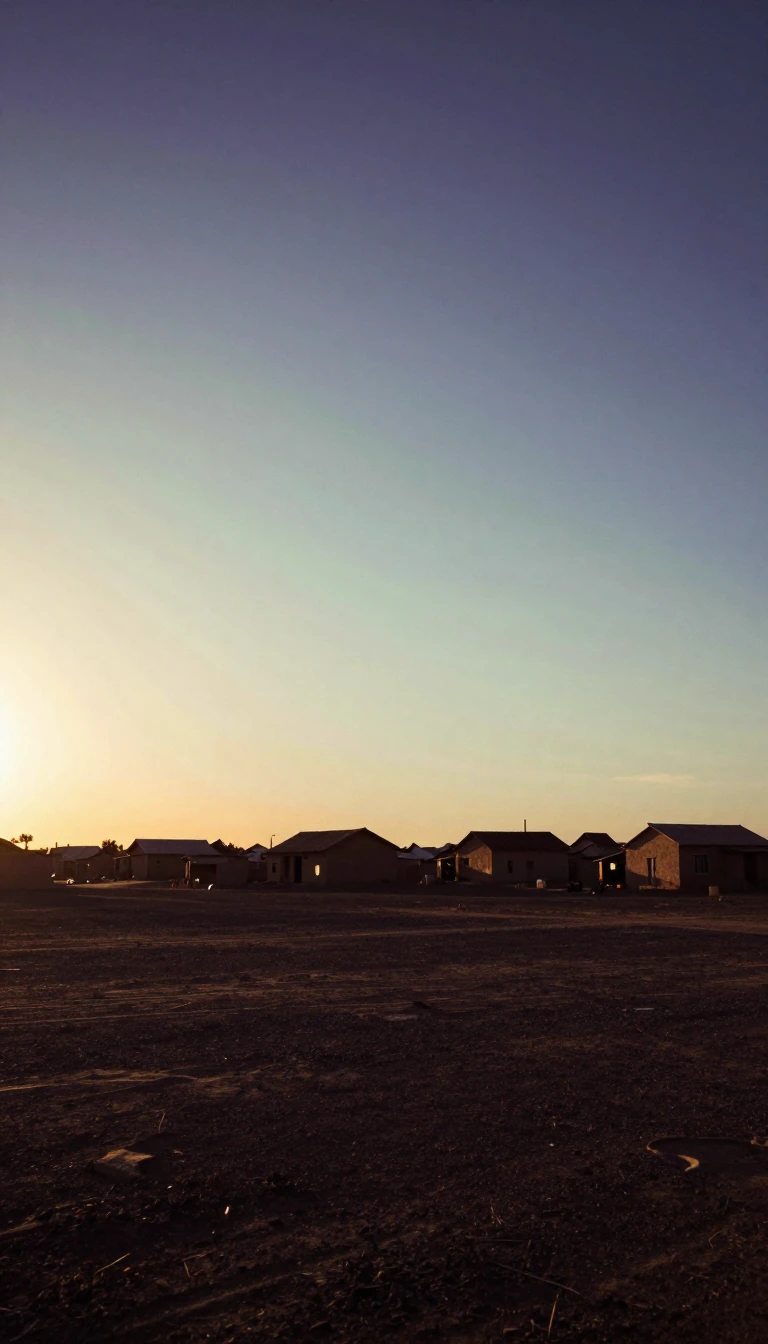
In short: Forced displacement is no longer just a humanitarian crisis; it is a profound global development challenge. With over 117 million people uprooted by conflict, persecution, and disaster, the burden falls disproportionately on low- and middle-income nations. Understanding this movement requires looking beyond the labels of refugee or migrant.
Forced displacement occurs when individuals are coerced to leave their homes due to persecution, conflict, or human rights violations. While often conflated, the terminology carries distinct legal weight. A refugee is a specific status granted to those who cross international borders and meet rigorous legal criteria for protection. In contrast, internally displaced persons (IDPs) remain within their own country, often lacking the same level of international legal safeguards. The term displaced person itself has evolved significantly since its widespread adoption during World War II, when it initially described prisoners or slave laborers removed from their native lands.
The drivers of this displacement are multifaceted. Armed conflict remains the primary catalyst, but environmental factors—ranging from sudden natural disasters like the 2004 Indian Ocean tsunami to slow-onset climate change—are increasingly significant. Criminal violence, particularly in regions like Mexico and the Northern Triangle of Central America, has also emerged as a major driver, forcing families to flee extortion and homicide. Some researchers argue that even in dire circumstances, a voluntary element exists if a person has any choice to hide or avoid persecution, though this perspective faces intense scrutiny when applied to situations where survival is the only objective.
The scale of the crisis is staggering. By June 2025, the number of forcibly displaced individuals reached 117.3 million. The impact is highly concentrated: 67% of refugees originate from just five countries, including Ukraine, Afghanistan, and Sudan. Furthermore, 71% of refugees are hosted in developing nations, which often struggle to provide basic services to their own citizens. This creates a dual challenge: supporting the displaced while ensuring host communities do not collapse under the strain. Consequently, international organizations are shifting their focus from purely humanitarian aid toward long-term economic and social integration strategies to address the structural realities of a world in motion.
Opens the Intellect+ feed with this card first. Swipe up for the next one.
Sources
- Summary by Intellect · source: Forced displacement
- Also: Forced Displacement | World Bank Group
To cite this card, link to https://intellectplus.co.uk/app/society-forced-displacement.
How we source, check and correct cards: Editorial standards.
General information, not professional advice. Spotted an error? Flag the card or see corrections and complaints.
Intellect Plus is a visual educational discovery platform for exploring fascinating facts and ideas. Brain Food, Not Brain Rot. What is Intellect Plus?
Related
More in Law · More in Society · Latest · A–Z · All topics
