From medieval fortresses to modern status symbols, how the mansion evolved over centuries.
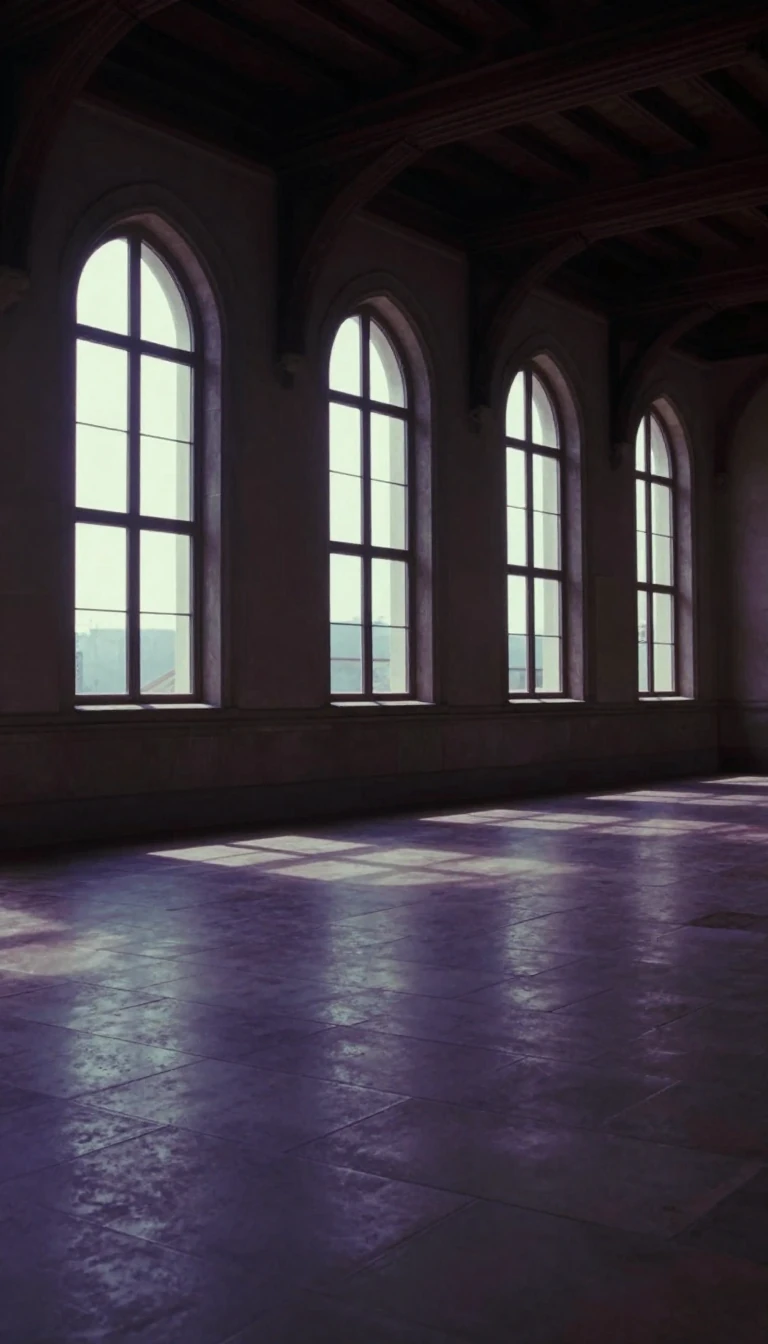
In short: The mansion began as a grim, fortified dwelling designed for survival in a post-Roman world. Over centuries, it transformed into a symbol of comfort, privacy, and social power. Today, the term spans everything from sprawling rural estates to high-end urban apartments, reflecting shifting definitions of luxury and status.
The etymology of the mansion traces back to the Latin 'mansio', meaning a dwelling. Historically, these structures were essential for the aristocracy, serving as hubs for vast estates and centers for political and social networking. By the 16th century, the Renaissance influence shifted architecture away from the defensive, fortress-like designs of the Middle Ages. Owners began prioritizing privacy, banishing servants and the odors of cooking to distant wings or separate floors, while they retreated to airy, upper-level rooms.
Social dynamics dictated the mansion's function. In Europe, noble families often owned multiple properties, rotating between them to pursue the social and sporting circuit. These homes were not merely residences; they were stages for state business and essential societal processes. However, this lifestyle faced violent rejection during periods of revolution, such as the 1789 Great Fear in France, where rural populations destroyed country chateaux to protest feudal rights. By the 19th century, the rise of railways allowed businessmen to build smaller, weekend-retreat mansions, marking a departure from the self-sustaining estates of the past.
Architectural styles evolved alongside these social changes. While 19th-century builders often favored Gothic Revival or Renaissance-inspired designs, the 20th century saw many grand urban mansions demolished to make way for suburban development. Today, the definition remains fluid: some American realtors define a mansion by a minimum floor space of 5,000 to 8,000 square feet, while in parts of Asia, the term 'mansion' is commonly applied to multi-unit apartment complexes. Whether a historic estate in Estonia or a modern condo in Tokyo, the mansion remains a testament to how we define our place in the world.
Opens the Intellect+ feed with this card first. Swipe up for the next one.
Sources
- Summary by Intellect · source: Mansion
To cite this card, link to https://intellectplus.co.uk/app/society-mansion.
How we source, check and correct cards: Editorial standards.
General information, not professional advice. Spotted an error? Flag the card or see corrections and complaints.
Intellect Plus is a visual educational discovery platform for exploring fascinating facts and ideas. Brain Food, Not Brain Rot. What is Intellect Plus?
Related
More in Home living · More in Society · Latest · A–Z · All topics
