From the scullery to the smart home: the evolution of the laundry room
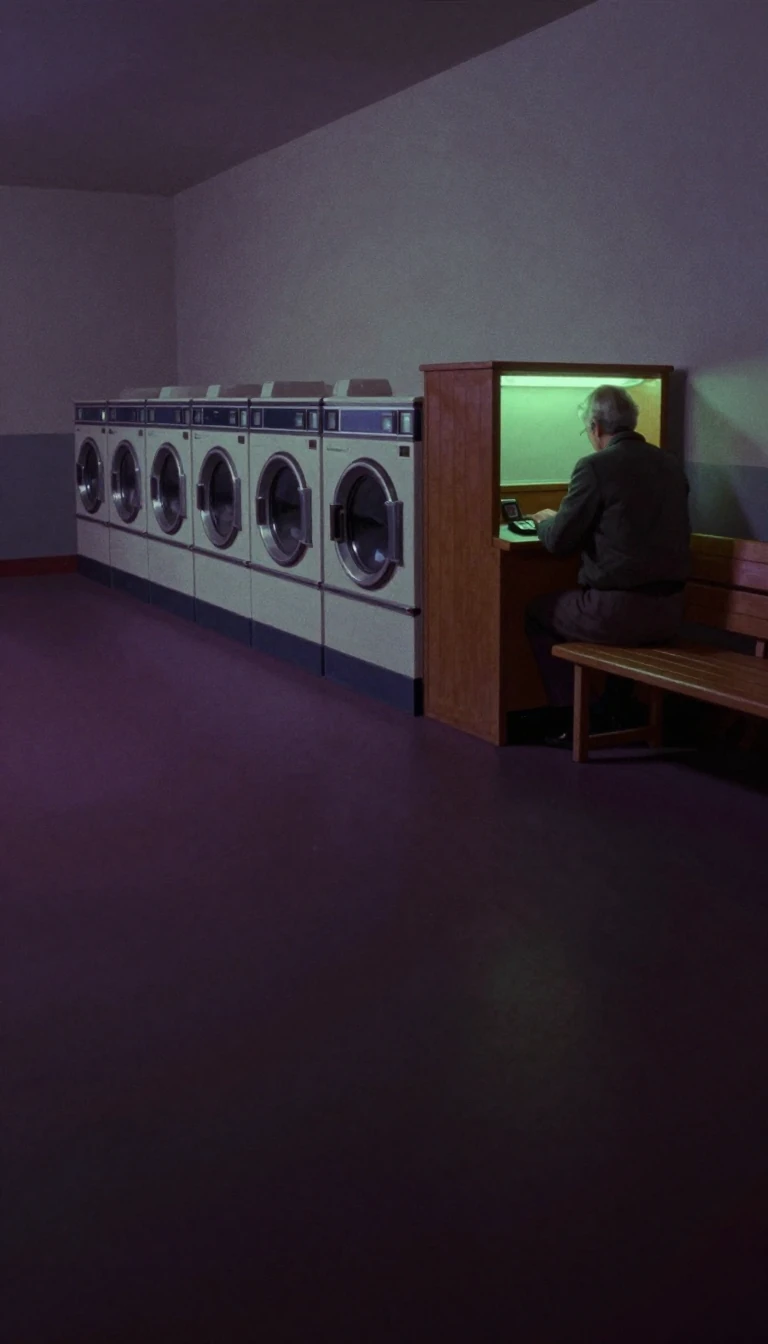
In short: The laundry room is a masterclass in functional design, evolving from a 14th-century kitchen annex into a modern hub for household management. Whether tucked in a basement or serving as a mudroom, this space reflects shifting cultural priorities, architectural trends, and the changing geography of domestic labor across the globe.
The modern laundry room traces its lineage to the medieval scullery, a 14th-century space dedicated to cleaning kitchenware and laundering textiles. By 1760, the term utility room appeared in British records, describing a versatile space that could even double as a guest room. This concept gained significant momentum in the mid-20th century; a 1944 Scottish report advocated for state-built homes to include a dedicated workroom for washing, cleaning, and repairs. By 1949, the Pittsburgh Post-Gazette noted that these utility rooms were outpacing basements in popularity for new American construction.
Geography dictates the laundry room's form and function. In the United Kingdom, dedicated laundry rooms are rare, with machines typically relegated to the kitchen or garage. Conversely, Sweden utilizes the 'tvättstuga'—a communal basement laundry room found in most older apartment buildings. These Swedish spaces have evolved their own management systems, transitioning from 1980s analogue booking boards to electronic key-based systems in the 2000s. In Hungary, communal 'mosókonyha' rooms have seen a different fate; as individual washing machines became standard, many of these shared spaces were repurposed into shops, workshops, or even small apartments.
Modern domestic architecture prioritizes convenience, often placing laundry facilities near the kitchen or bedrooms to minimize transit. When located adjacent to a garage, the laundry room frequently doubles as a mudroom, often positioned at a sunken grade to eliminate the need for stairs. Beyond washing and drying, these rooms have become the 'utility' centers of the home, housing furnaces, water heaters, and seasonal storage. This design philosophy embodies the principle that form follows function, creating a dedicated zone to prevent clutter from congesting the primary living areas of the house.
The transition of the laundry room from a hidden basement utility to a main-floor convenience mirrors broader changes in how we organize domestic life. Whether it is a 'tvättstuga' in Stockholm or a mudroom-laundry hybrid in the American suburbs, the space remains a vital, if often overlooked, engine of the household.
Opens the Intellect+ feed with this card first. Swipe up for the next one.
Sources
- Summary by Intellect · source: Laundry room
To cite this card, link to https://intellectplus.co.uk/app/society-laundry-room.
How we source, check and correct cards: Editorial standards.
General information, not professional advice. Spotted an error? Flag the card or see corrections and complaints.
Intellect Plus is a visual educational discovery platform for exploring fascinating facts and ideas. Brain Food, Not Brain Rot. What is Intellect Plus?
Related
More in Home living · More in Society · Latest · A–Z · All topics
