From ancient palaces to modern homes, the porch is architecture’s most versatile transition zone.
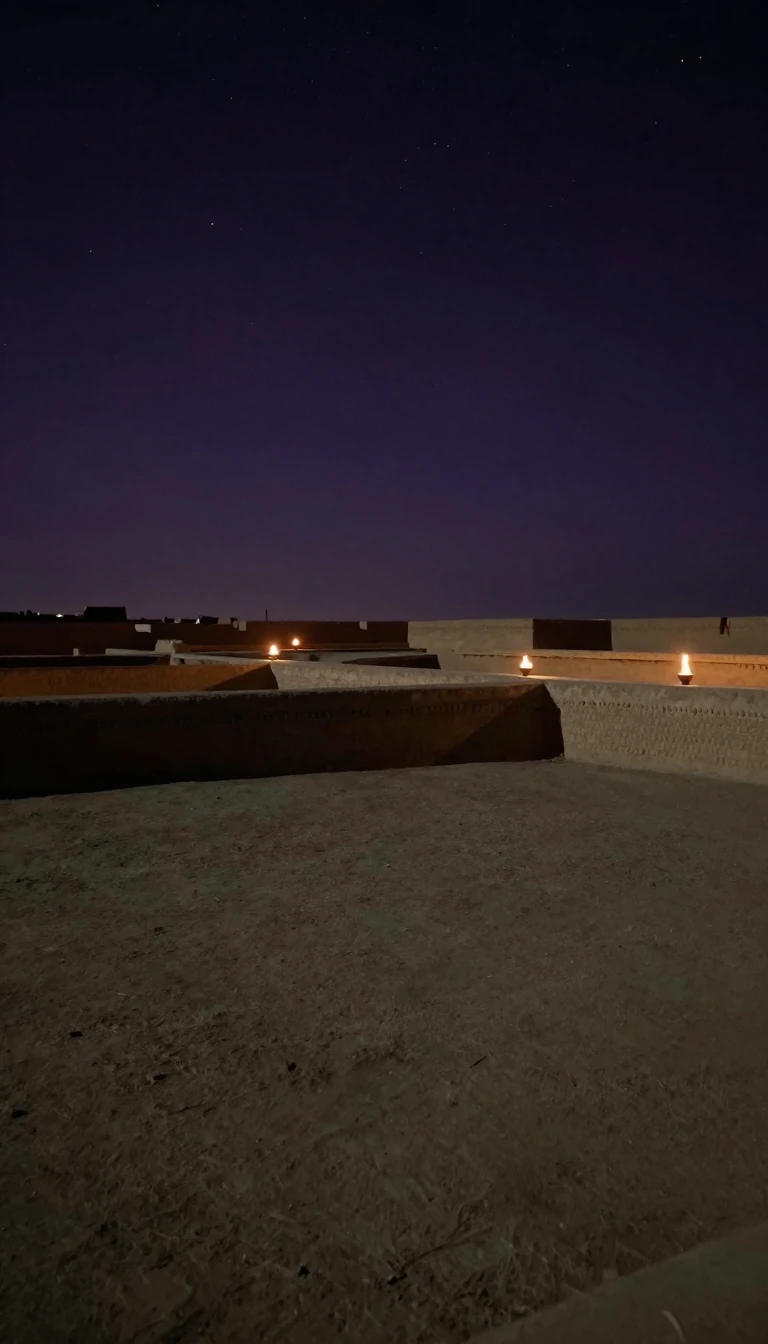
In short: The porch is far more than a simple entryway. Whether serving as a liturgical stage in medieval churches, a cooling veranda in the tropics, or a community-building tool in modern neighborhoods, this architectural feature has evolved over millennia to bridge the gap between our private lives and the public world.
The etymology of the word porch traces back to the Latin porticus, meaning colonnade, reflecting its long history as a structural transition. While often associated with the American home, the concept is an ancient invention attributed to the Persians. By the first half of the 6th century BCE, the Apadana palace in Persepolis featured open columned verandas on three sides, a design that eventually influenced Roman and Islamic architecture. In Ancient Greece, the peristyle served a similar function, creating a continuous porch around buildings or courtyards.
Beyond secular use, the porch has played a vital role in religious life. In medieval Great Britain, church porches were not merely shelters; they were liturgical spaces where baptisms and weddings often began before moving inside. Some of these structures were remarkably sophisticated, featuring two stories where the upper room functioned as a school, meeting hall, or even an armory. Similarly, in Hindu temple architecture, the mandapa acts as a porch-like connector used for religious music and dance, proving the porch’s capacity to serve as a hub for communal activity.
In the modern era, the porch’s utility has shifted alongside architectural trends. While Victorian and Queen Anne styles often prioritized large, wrap-around porches for social gathering, many American homes built after the 1940s reduced them to mere decorative tokens. This decline has prompted the New Urbanism movement to advocate for a return to spacious front porches as a means to foster community ties. Today, the porch remains a highly varied element, ranging from the 660-foot-long record holder at Michigan’s Grand Hotel to the functional, screened-in 'Arizona rooms' or the 'portals' of New Mexican adobe homes, each adapted to its specific climate and cultural needs.
Opens the Intellect+ feed with this card first. Swipe up for the next one.
Sources
- Summary by Intellect · source: Porch
To cite this card, link to https://intellectplus.co.uk/app/society-porch.
How we source, check and correct cards: Editorial standards.
General information, not professional advice. Spotted an error? Flag the card or see corrections and complaints.
Intellect Plus is a visual educational discovery platform for exploring fascinating facts and ideas. Brain Food, Not Brain Rot. What is Intellect Plus?
Related
More in Home living · More in Society · Latest · A–Z · All topics
