From Roman Farmhouse to Suburban Dream: The Ever-Shifting Identity of the Villa
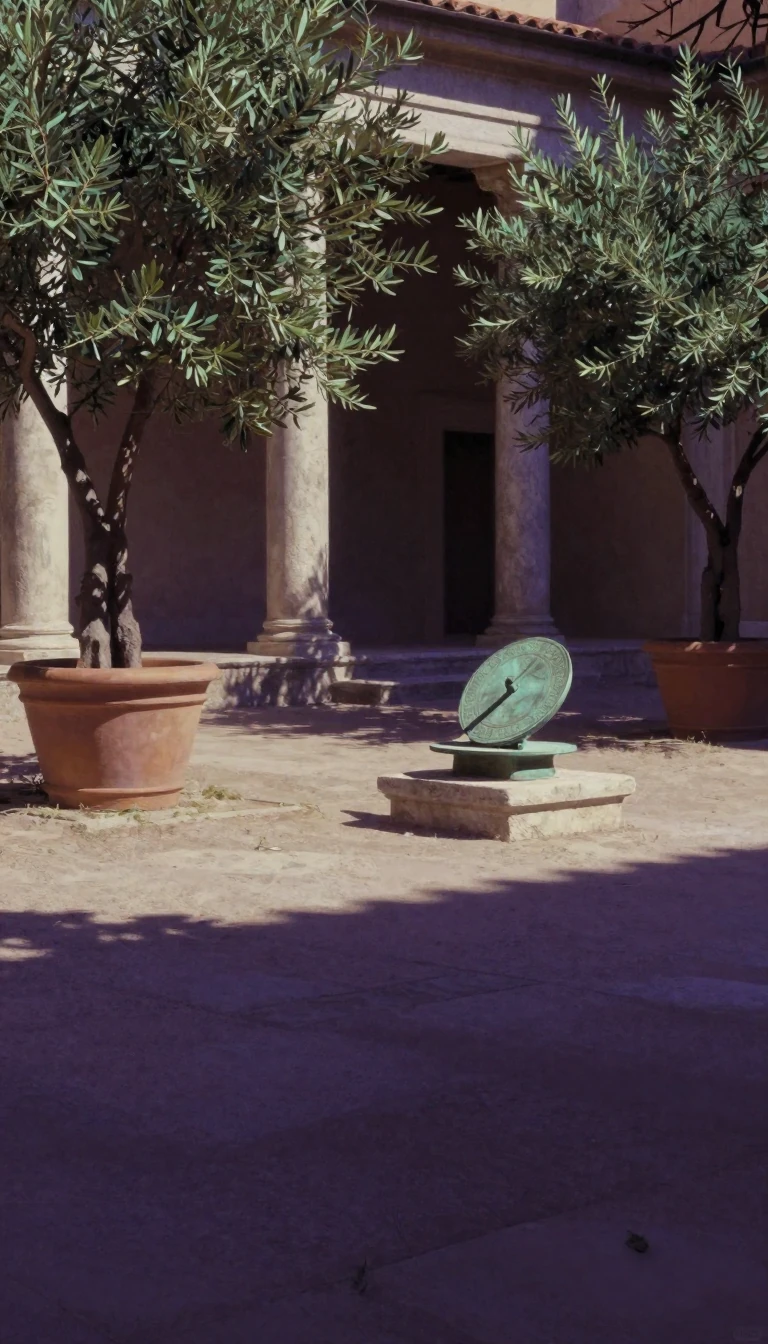
In short: Originally a Roman escape for the elite, the villa has evolved from a self-sufficient agricultural estate into a symbol of architectural prestige. Whether serving as a fortified monastery or a modern minimalist mansion, this resilient concept has shaped global residential design for two millennia, constantly reinventing its purpose and form.
The villa began in ancient Rome as a country retreat for the upper classes, designed to offer respite from urban life. These estates were categorized by function: the villa urbana served as a suburban seat for quick getaways, while the villa rustica operated as a working farm, often at the heart of large latifundia estates. These agricultural foundations were so essential that Roman writers viewed their self-sufficiency as a virtue, even as it signaled the economic fragmentation of the later Empire.
Following the collapse of the Western Roman Empire, the villa underwent a radical transformation. Many were fortified or converted into monasteries, such as the site established by Benedict of Nursia in 529 at Subiaco. By the 14th century, the concept was revived in Italy as a country house, with Renaissance architects like Leon Battista Alberti theorizing new aesthetic standards. This era emphasized a harmonious link between the residence and the landscape, a philosophy that spread across Europe and eventually to the Americas.
By the 19th century, the definition of a villa had expanded significantly, encompassing everything from grand industrialist mansions to seaside spa retreats. In modern times, the term has become even more fluid; in Scandinavia, it often denotes any single-family detached home, while in the United States, it frequently refers to Mediterranean-inspired estates. Despite this dilution, the villa remains a powerful architectural archetype, from the iconic designs of Le Corbusier and Mies van der Rohe to the sprawling plantations of the American South.
The enduring nature of the villa lies in its adaptability. Whether it is the symmetry of a Palladian structure or the minimalist lines of a Bauhaus creation, the villa persists as an expression of status and a desire for a connection to the outdoors. It has survived the fall of empires and the rise of suburbia, proving that the dream of a private, elevated sanctuary remains a constant human ambition.
Opens the Intellect+ feed with this card first. Swipe up for the next one.
Sources
- Summary by Intellect · source: Villa
To cite this card, link to https://intellectplus.co.uk/app/society-villa.
How we source, check and correct cards: Editorial standards.
General information, not professional advice. Spotted an error? Flag the card or see corrections and complaints.
Intellect Plus is a visual educational discovery platform for exploring fascinating facts and ideas. Brain Food, Not Brain Rot. What is Intellect Plus?
Related
More in Home living · More in Society · Latest · A–Z · All topics
