Greece once banned the Slavic dialects spoken by many of its own northern residents
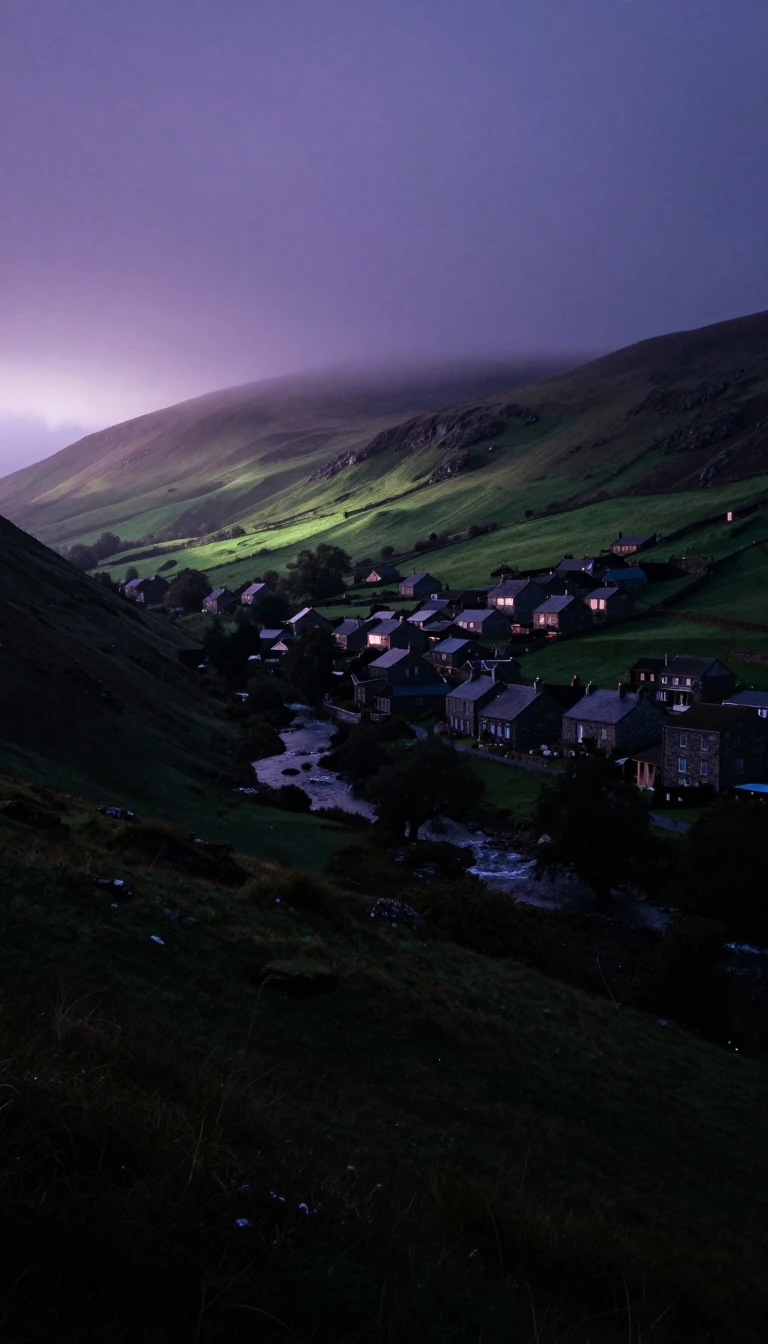
In short: In northern Greece, a Slavic-speaking minority has lived for centuries, shaped by shifting empires, rival national movements and wars. Their identity was contested by Greece, Bulgaria and Yugoslavia, and at times by the Slavic speakers themselves. Their story shows how language, religion and politics can decide who a people believes itself to be.
Slavs settled the Balkan Peninsula from the 6th century onwards, and Slavic tribes gradually spread into Byzantine lands, including Macedonia. Through the Middle Ages and the Ottoman period, Slavic speakers were mostly identified by religion rather than by a modern national identity. Ottoman writers often called them Bulgarians, and some Slavic speakers converted to Islam, a process the source describes as gradual and voluntary, partly for economic and social gain.
In the 18th and 19th centuries, rival nationalisms competed for these communities. Greek schools and the Patriarchate of Constantinople encouraged a Greek identity among urban Christians, while Bulgarian intellectuals such as Paisius of Hilendar urged a national awakening. The Bulgarian Exarchate, founded in 1870, and the Internal Macedonian-Adrianople Revolutionary Organization, founded in 1893, pushed a Bulgarian identity, and a sharp Greek-Bulgarian rivalry followed, with both sides committing cruel acts during the conflicts around Kastoria.
After the Balkan Wars, Greece took control of southern Macedonia and pursued forced assimilation, closing Bulgarian schools and churches and prohibiting the Bulgarian language, including the Macedonian dialects. Large numbers of people left for Bulgaria: the source estimates about 72,000 Slavic speakers left Greece under a 1919 convention. Later agreements, such as the 1924 Politis–Kalfov Protocol, recognised a Bulgarian minority, but the Greek parliament refused to ratify it in 1925.
During the Second World War, Bulgarian occupiers and the Bulgarian-organised Ohrana units won support among some Slavic speakers, while the Greek Communist Party recognised a Macedonian national identity from 1934. The Slavic-Macedonian National Liberation Front was formed in 1943, and by the late 1940s many speakers had come to call themselves Macedonians. Identities in the region were thus shaped by wartime pressures, ideology and the policies of several states, not by a single fixed origin.
Opens the Intellect+ feed with this card first. Swipe up for the next one.
Sources
- Summary by Intellect · source: Slavic speakers of Greek Macedonia
To cite this card, link to https://intellectplus.co.uk/app/society-slavic-speakers-of-greek-macedonia.
How we source, check and correct cards: Editorial standards.
General information, not professional advice. Spotted an error? Flag the card or see corrections and complaints.
Intellect Plus is a visual educational discovery platform for exploring fascinating facts and ideas. Brain Food, Not Brain Rot. What is Intellect Plus?
Related
More in Post-classical · More in Society · Latest · A–Z · All topics
