Why a city of ten thousand built the world's tallest church spire
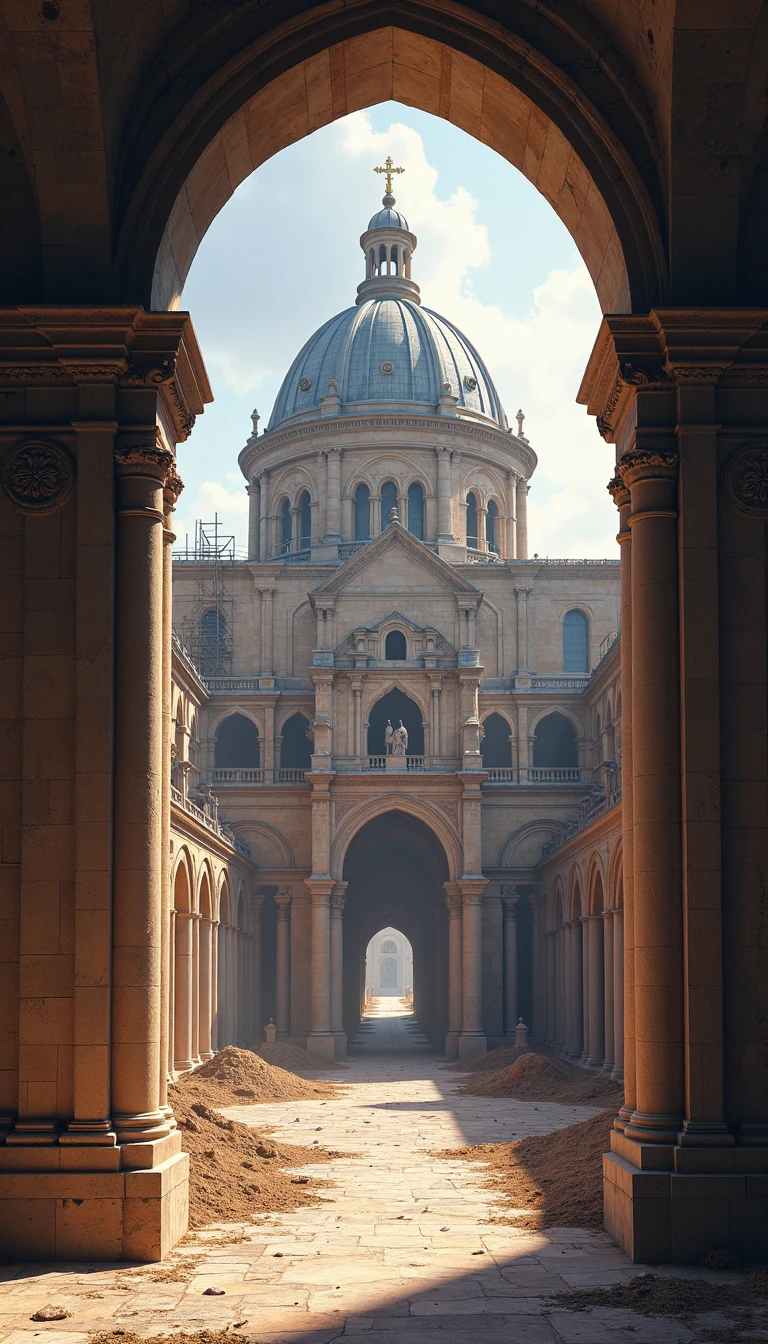
In short: Ulm Minster is a masterpiece of Gothic ambition, yet it is not a cathedral. Funded by local citizens rather than a bishop, the project stalled for centuries due to shifting global trade routes. When it was finally finished in 1890, it claimed the title of the world's tallest building.
In 1377, the residents of Ulm sought to build an independent parish church within their city walls, moving away from a previous site controlled by a monastery. Mayor Ludwig Krafft laid the foundation stone, and the community financed the massive undertaking themselves. The design initially followed the Gothic style of the Late Middle Ages, but the project faced immense structural challenges. Early builders struggled with the weight of the vaults, which exerted dangerous lateral pressure on the columns. It was not until Burkhart Engelberg intervened that the structural integrity was secured, though the northern wall remains permanently tilted by 27 centimeters.
Construction halted in 1543, leaving the steeple at roughly 100 meters. This pause was driven by the Reformation and a severe economic downturn. As global trade shifted following the voyages of Christopher Columbus and the discovery of new sea routes to India, the city of Ulm lost the financial capacity to sustain such a grand public project. The church remained incomplete for over three hundred years, a silent witness to the changing tides of European commerce and religious identity.
Work finally resumed in 1844, incorporating modern engineering like flying buttresses to stabilize the nave. The steeple was completed in 1890, reaching a final height of 161.53 meters. While the building survived the air raids of 1944 that destroyed much of the surrounding medieval center, it remains a testament to civic pride. Today, it stands as a brick-heavy marvel, housing historical treasures like the 15th-century oak pews carved by Jörg Syrlin the Elder and a statue donated by the family of Albert Einstein.
Opens the Intellect+ feed with this card first. Swipe up for the next one.
Sources
- Summary by Intellect · source: Ulm Minster
- Also: www.britannica.com — Ulm Minster | cathedral, Ulm, Germany | Britannica
To cite this card, link to https://intellectplus.co.uk/app/society-ulm-minster.
How we source, check and correct cards: Editorial standards.
General information, not professional advice. Spotted an error? Flag the card or see corrections and complaints.
Intellect Plus is a visual educational discovery platform for exploring fascinating facts and ideas. Brain Food, Not Brain Rot. What is Intellect Plus?
Related
More in Society · Latest · A–Z · All topics
