Why Germany's most famous cathedral may never be seen without scaffolding again
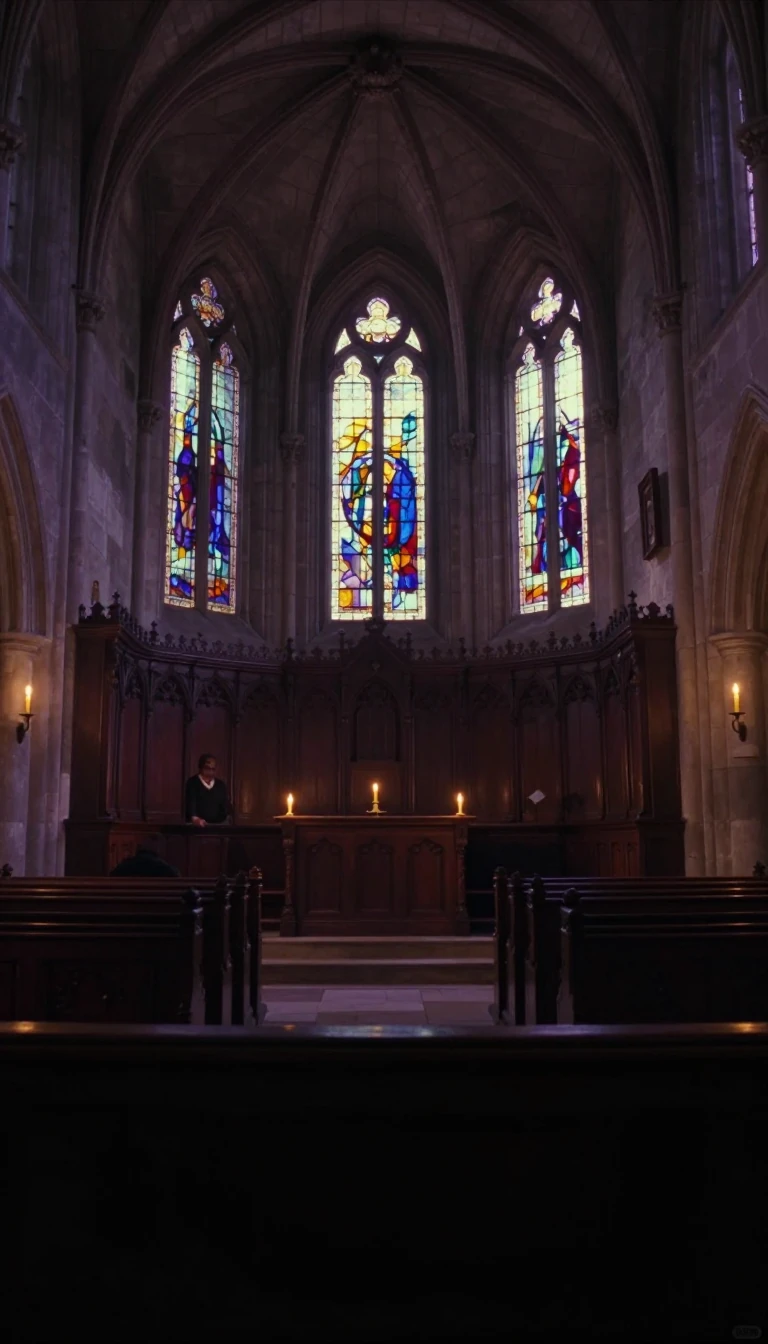
In short: Cologne Cathedral is a masterpiece of Gothic architecture and a UNESCO World Heritage site, yet it remains in a state of perpetual repair. From acid rain to earthquake damage and rusting iron anchors, the constant struggle to preserve its stone structure means the scaffolding is effectively a permanent feature.
Construction of the current Gothic cathedral began in 1248, but the project stalled for centuries before being completed in 1880. At 157 metres, it briefly held the title of the world's tallest building. Today, it serves as a major pilgrimage site, housing the Shrine of the Three Kings, which transformed Cologne into an international destination after the relics arrived from Milan in 1164.
The cathedral's ongoing maintenance is a logistical and financial marathon. The building is constructed from various types of rock that weather at different rates, exacerbated by bird droppings, pollution, and the sulphur in acid rain. Furthermore, the iron anchors used to secure architectural decorations are rusting, threatening to crack the stone from within. Master builder Barbara Schock-Werner famously noted that a cathedral without scaffolding would be a nightmare, as it would imply the institution could no longer afford the necessary upkeep.
Beyond physical preservation, the cathedral is reckoning with its own history. The chapter has launched initiatives to address antisemitic imagery, such as the Judensau carvings, by keeping them visible for educational critique while commissioning new art to provide context. In 2025, artist Andrea Büttner won a competition to install a mural that highlights the history of a destroyed synagogue, aiming to bring hidden Jewish history into the open. This effort reflects a broader, complex dialogue about how cultural institutions should handle historical artifacts that reflect past prejudices.
Modern technology is now aiding this ancient task. In 2021, an aerial survey captured 200,000 high-resolution photos to create a 50-gigabyte 3D model with 25 billion polygons. This digital twin allows conservators to document damage in remote areas, ensuring that the cathedral—which survived fourteen bomb hits during World War II—remains standing for future generations, even if it remains perpetually cloaked in the tools of its own repair.
Opens the Intellect+ feed with this card first. Swipe up for the next one.
Sources
- Summary by Intellect · source: Cologne Cathedral
- Also: Wikidata — Cologne Cathedral · CC0
- Also: Wikidata — Cologne Cathedral · CC0
To cite this card, link to https://intellectplus.co.uk/app/places-cologne-cathedral.
How we source, check and correct cards: Editorial standards.
General information, not professional advice. Spotted an error? Flag the card or see corrections and complaints.
Intellect Plus is a visual educational discovery platform for exploring fascinating facts and ideas. Brain Food, Not Brain Rot. What is Intellect Plus?
Related
More in World Heritage Sites · More in Countries & Cities · Latest · A–Z · All topics
