A cosmic collision is currently birthing thousands of new stars in the Antennae Galaxies.
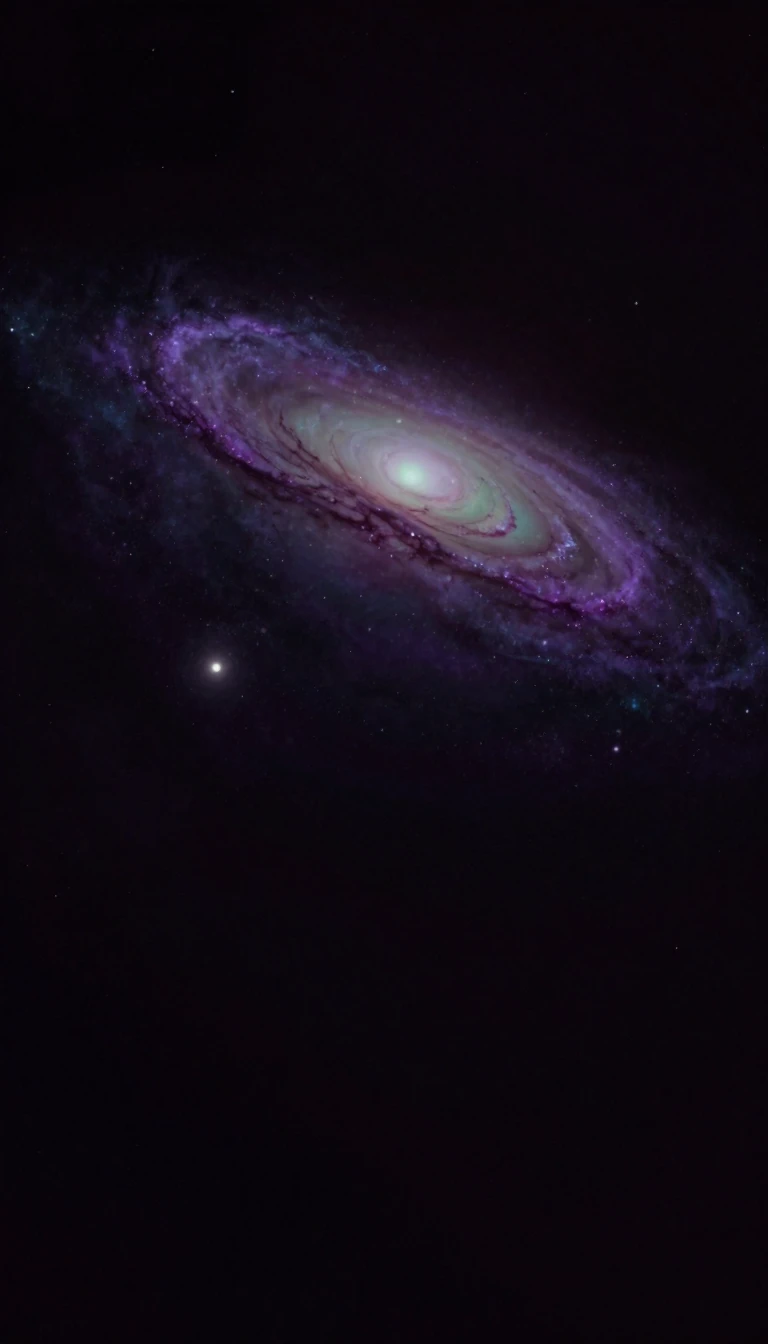
In short: Two spiral galaxies are locked in a violent, multi-million-year embrace. This celestial wreckage, known as the Antennae Galaxies, offers a rare, front-row seat to the chaotic process of galactic evolution. As gas clouds compress and stars ignite, astronomers are witnessing the birth of structures that may define our own future.
Located roughly 65 million light-years away in the constellation Corvus, the Antennae Galaxies—formally NGC 4038 and NGC 4039—are currently undergoing a dramatic transformation. Their fateful confrontation began a few hundred million years ago, when two separate spiral galaxies initiated a gravitational dance. The collision has pulled long, sweeping streamers of gas, dust, and stars far out from the nuclei, creating the distinctive, insect-like tails that give the pair their name.
The impact is not merely destructive; it is a catalyst for intense star formation. As the galaxies collide, massive clouds of gas and dust are compressed, triggering a burst of new star birth. Hubble observations have identified over a thousand young 'super star clusters' within the wreckage. While most of these clusters are expected to disperse within 10 million years, researchers estimate that about a hundred of the most massive ones will survive to become permanent, spherical globular clusters, similar to those found in the Milky Way.
This process provides a vital preview of galactic history and future. Many large galaxies are believed to have grown through similar mergers over cosmic time. By studying the Antennae, astronomers gain insight into how our own Milky Way might evolve when it eventually collides with the Andromeda Galaxy in several billion years. The Antennae serve as a laboratory for understanding the life cycle of galaxies, showing how ancient, stable structures can emerge from the violent, chaotic debris of a cosmic smashup.
Opens the Intellect+ feed with this card first. Swipe up for the next one.
Sources
- Summary by Intellect · source: Antennae Galaxies - NASA Science
- Also: Antennae Galaxies - NASA
- Also: Antennae Galaxies
To cite this card, link to https://intellectplus.co.uk/app/space-antennae-galaxies.
How we source, check and correct cards: Editorial standards.
General information, not professional advice. Spotted an error? Flag the card or see corrections and complaints.
Intellect Plus is a visual educational discovery platform for exploring fascinating facts and ideas. Brain Food, Not Brain Rot. What is Intellect Plus?
Related
More in Astronomical objects · More in Space · Latest · A–Z · All topics
