Aquila: The Celestial Eagle Carrying Ancient Myths and Massive Cosmic Structures Across Our Sky
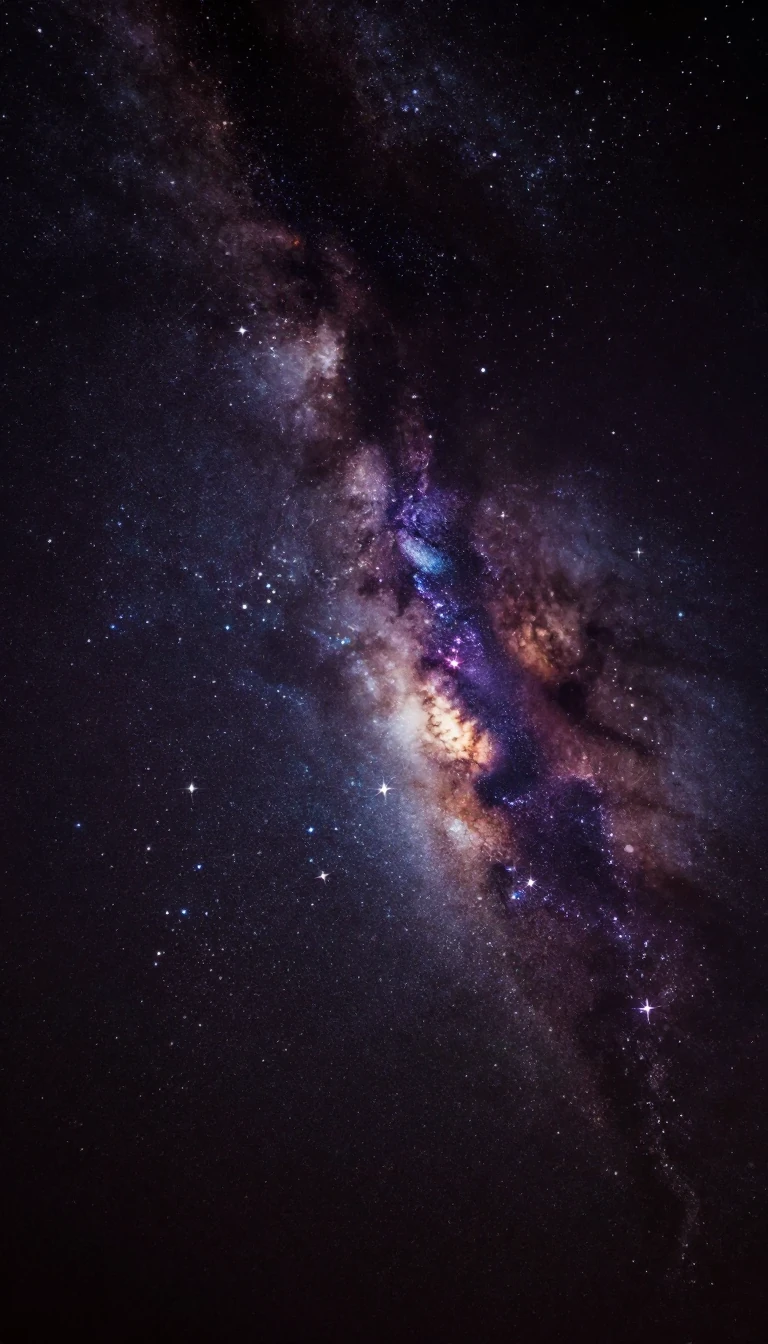
In short: Located along the Milky Way, the constellation Aquila is a treasure trove of stellar history and mythology. From the rapid rotation of its brightest star, Altair, to the massive Hercules–Corona Borealis Great Wall, this region of the sky holds secrets ranging from ancient Greco-Roman legends to modern extragalactic discoveries.
Aquila, meaning eagle in Latin, sits on the celestial equator and has been observed for millennia. Ptolemy catalogued it in the second century, though it appeared earlier in works by Eudoxus and Aratus. Mythology often links the constellation to the eagle that carried Zeus’s thunderbolts or abducted the boy Ganymede to Mount Olympus. In Chinese tradition, the stars Altair, Alshain, and Tarazed represent a separated family, forever divided by the Milky Way.
The constellation's centerpiece is Altair, the 12th brightest star in the sky. Located about 17 light-years away, this A-type main-sequence star rotates so rapidly—exceeding 200 kilometers per second—that it is visibly flattened at the poles. This rotation creates an oblate shape and causes the equator to be cooler and darker than the poles. Altair serves as a vertex for the Summer Triangle, an asterism it shares with Vega and Deneb.
Beyond its stars, Aquila contains diverse celestial phenomena. It hosts Cepheid variables like η Aquilae, which has a 7.2-day period, and the massive stellar nursery W51, which is 350 light-years across but obscured by interstellar dust. Perhaps most impressively, the constellation is home to the Hercules–Corona Borealis Great Wall, a structure spanning 10 billion light-years that may be the largest mass concentration of galaxies in the known universe.
While the constellation is rich in starfields, it also features planetary nebulae like the Glowing Eye (NGC 6751) and open clusters such as NGC 6709. Historically, the constellation was larger; Ptolemy included stars now assigned to the obsolete constellation Antinous. Today, Aquila remains a focal point for astronomers, having hosted the exceptionally bright Nova Aquilae in 1918, which briefly outshone Altair.
Opens the Intellect+ feed with this card first. Swipe up for the next one.
Sources
- Summary by Intellect · source: Aquila (constellation)
- Also: Aquila | Night Sky, Brightest Stars, Summer Triangle | Britannica
To cite this card, link to https://intellectplus.co.uk/app/space-aquila-constellation.
How we source, check and correct cards: Editorial standards.
General information, not professional advice. Spotted an error? Flag the card or see corrections and complaints.
Intellect Plus is a visual educational discovery platform for exploring fascinating facts and ideas. Brain Food, Not Brain Rot. What is Intellect Plus?
Related
More in Celestial sphere · More in Space · Latest · A–Z · All topics
