A headless statue can demand that you change your life
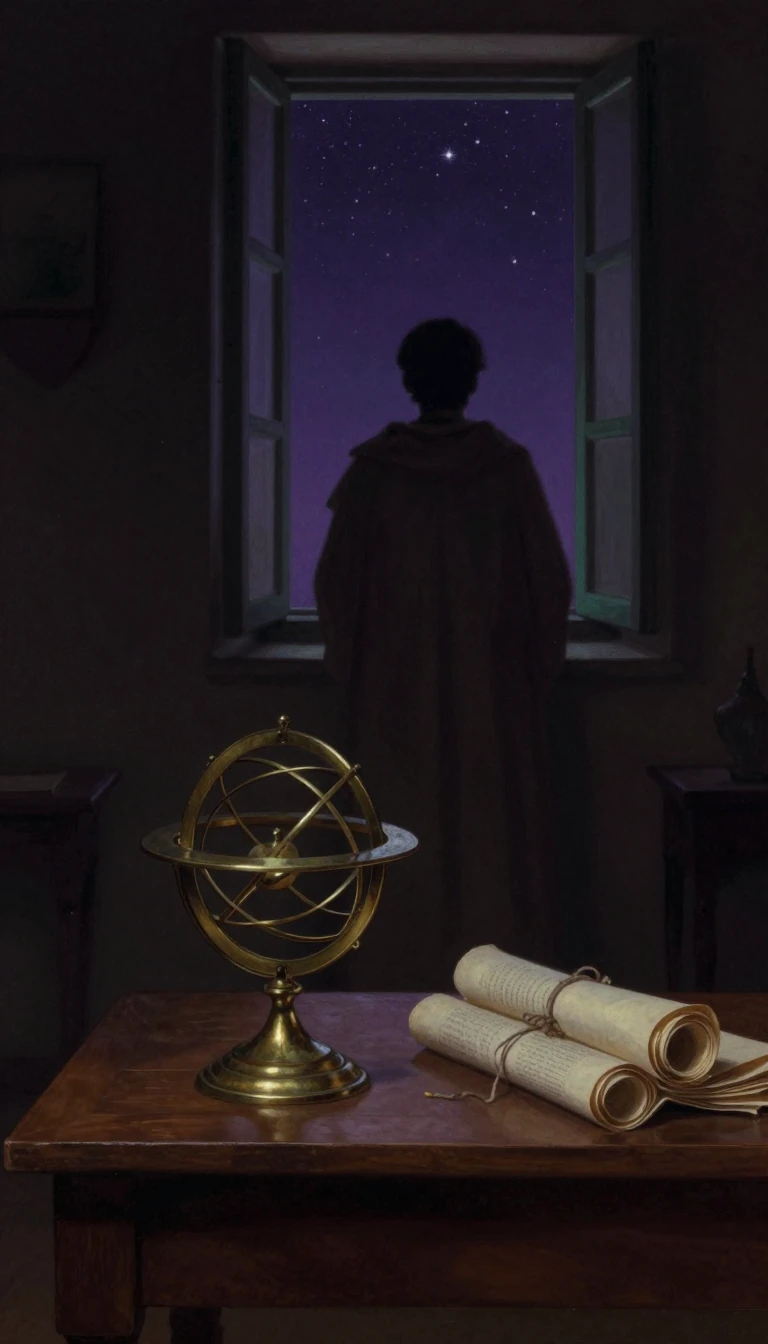
In short: How can a broken piece of stone command a human soul? Rainer Maria Rilke’s 1908 sonnet explores the power of the fragment. By describing a shattered Greek sculpture, Rilke suggests that the missing parts of an object—or a life—can create a vision so complete it forces a radical internal transformation.
Rilke’s 'Archaic Torso of Apollo' is a masterpiece of ekphrasis, the rhetorical art of describing inanimate objects. Published in 1908 as the opening to the second part of 'New Poems,' the sonnet focuses on a Greek sculpture of Apollo where only the torso and crotch remain. Despite the physical loss of the head and limbs, Rilke argues that the remaining body conveys such a powerful impression of the original that the viewer can mentally reconstruct the intact figure.
The poem functions as a companion to 'Early Apollo,' which opens the first part of the collection. While 'Early Apollo' creates a sense of anticipation and promise, 'Archaic Torso of Apollo' seeks a restoration of the original. Scholar Charlie Louth notes that the poem achieves a sense of 'fullness' through its description of the fragment, ultimately demanding that the reader contribute to a new beginning. This culminates in the famous final line: 'you must change your life.'
The work is deeply tied to the philosophy of the fragment. Rilke explored the relationship between parts and wholes in his prose, specifically citing Auguste Rodin’s ability to bestow 'independence and completeness' on any single part of a body. Some scholars interpret the poem as a tribute to Rodin’s artistic vision. Furthermore, the final command has been analyzed by philosophers like Peter Sloterdijk as a 'quintessential metanoetic command'—an absolute imperative for spiritual or personal transformation.
The identity of the actual statue remains a point of scholarly debate. In 1947, archaeologist Ulrich Hausmann identified it as the Miletus torso (c. 480–470 BC) at the Louvre, though literary scholar Paul Böckmann argued this identification was improbable, leaving the specific physical inspiration for Rilke’s vision a mystery.
theme-case-kebab-case perspective 3 poetry, sculpture, philosophy Rilke published 'Archaic Torso of Apollo' in 1908.
The poem is an ekphrasis of a Greek sculpture of Apollo.
Ulrich Hausmann identified the subject as the Miletus torso in 1947. The poem's final line is 'you must change your life'.
Opens the Intellect+ feed with this card first. Swipe up for the next one.
Sources
- Summary by Intellect · source: Archaic Torso of Apollo
To cite this card, link to https://intellectplus.co.uk/app/space-archaic-torso-of-apollo.
How we source, check and correct cards: Editorial standards.
General information, not professional advice. Spotted an error? Flag the card or see corrections and complaints.
Intellect Plus is a visual educational discovery platform for exploring fascinating facts and ideas. Brain Food, Not Brain Rot. What is Intellect Plus?
Related
More in Apollo · More in Space · Latest · A–Z · All topics
