Capturing the night sky requires more than just a camera and a clear view.
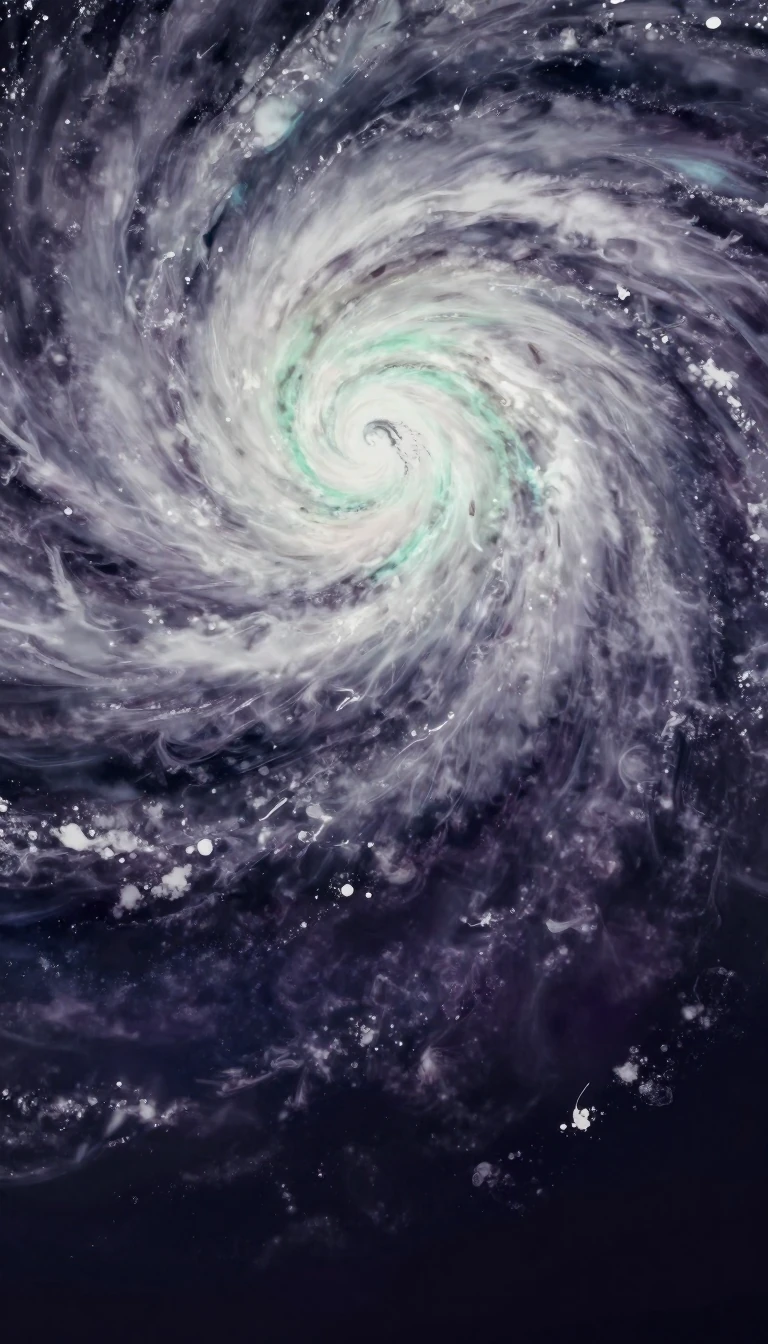
In short: Astrophotography is a blend of technical precision and artistic patience. While modern gear makes it accessible, success relies on mastering manual settings, understanding light, and choosing the right location. Whether you are using a high-end mirrorless camera or a smartphone, the secret lies in how you manage long exposures.
At its core, astrophotography is the art of gathering light over time. Because celestial objects are faint, cameras must use long exposures to accumulate photons that the human eye cannot perceive. This process requires stability; a tripod is the only truly essential piece of equipment for beginners, as even the slightest movement during a long exposure will blur the stars. To achieve sharp results, photographers must move beyond automatic settings, opting for manual focus and exposure to ensure the sensor captures the night sky as distinct points rather than indistinct circles.
The choice of lens is often more critical than the camera body itself. For landscape-focused astrophotography, a wide-angle lens in the 12-35mm range is ideal. Photographers look for 'fast' lenses with a large maximum aperture—ideally f/2.8 or wider—to allow more light to reach the sensor. While full-frame cameras are often preferred for their low-light performance, modern crop-sensor models like the Canon EOS R7 are highly capable. Even the kit lens included with a camera can produce results if operated at its maximum aperture, typically around f/4.
Beyond equipment, location and technique are paramount. Light pollution from urban areas can swamp sensors, making remote, dark-sky sites necessary for the best results. Because the Earth rotates, long exposures can lead to tracking errors, which is why professional and advanced amateur setups use motorized mounts to follow the stars. For those just starting, the journey is one of iteration and learning. Whether you are capturing the Milky Way or experimenting with noctilucent clouds, the process of refining your technique is as much a part of the craft as the final image itself.
Opens the Intellect+ feed with this card first. Swipe up for the next one.
Sources
- Summary by Intellect · source: Astrophotography for beginners: How to shoot the night sky
- Also: Astrophotography
To cite this card, link to https://intellectplus.co.uk/app/space-astrophotography.
How we source, check and correct cards: Editorial standards.
General information, not professional advice. Spotted an error? Flag the card or see corrections and complaints.
Intellect Plus is a visual educational discovery platform for exploring fascinating facts and ideas. Brain Food, Not Brain Rot. What is Intellect Plus?
Related
More in Astronomy basics · More in Space · Latest · A–Z · All topics
