A cosmic monster hiding in plain sight reveals the secrets of stellar death
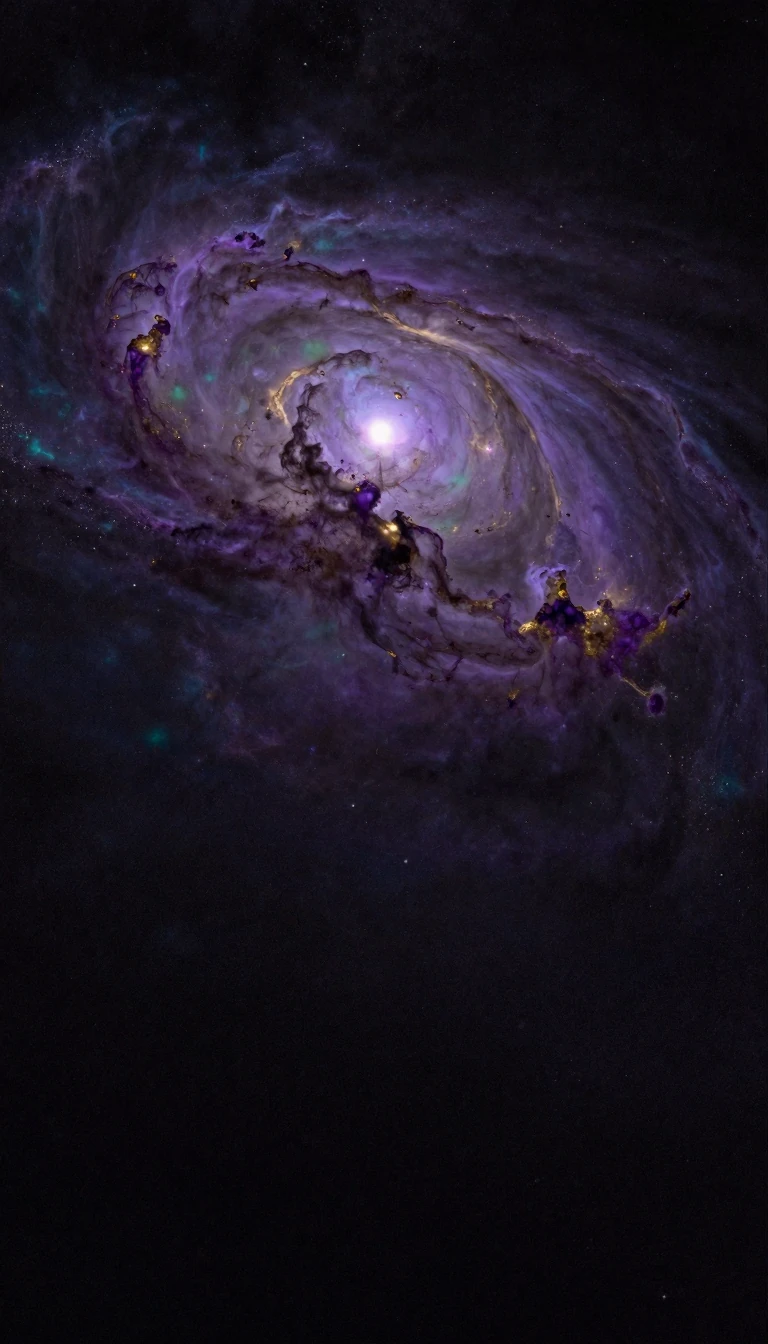
In short: Astronomers recently combined data from NASA’s Chandra and Webb telescopes to demystify a strange structure within the Cassiopeia A supernova remnant. Known as the Green Monster, this feature is not debris from the star itself, but a violent collision between a shock wave and surrounding interstellar material.
Cassiopeia A, a supernova remnant situated roughly 11,000 light-years from our planet, serves as a laboratory for studying the aftermath of a massive star's collapse. The explosion, which became visible from Earth approximately 340 years ago, left behind an expanding cloud of material spanning about 10 light-years. While the remnant has been studied for decades, the recent integration of infrared and X-ray data has provided a clearer picture of its complex architecture.
The Green Monster, an unusual feature first identified in Webb data in April 2023, was initially a mystery. By comparing the X-ray signatures captured by Chandra with infrared observations, researchers determined that the structure contains significantly less iron and silicon than the star's internal debris. Instead, its chemical profile matches the outer blast wave. This confirms that the Green Monster formed when the star's shock wave—traveling at supersonic speeds—slammed into gas ejected by the star prior to its final detonation.
Beyond the Green Monster, the remnant reveals the violent history of the star's core. By mapping radioactive titanium and iron, scientists have observed how radioactive matter likely shaped the surrounding material, creating cavities within the debris. The core itself collapsed into a dense neutron star, a remnant that remains a subject of intense study. These observations demonstrate how shock waves and radioactive decay continue to sculpt the remnants of a star long after the initial explosion has faded.
Opens the Intellect+ feed with this card first. Swipe up for the next one.
Sources
- Summary by Intellect · source: NASA Scientific Visualization Studio | Webb, Chandra, Hubble, and Spitzer Together Explore Cassiopeia A
- Also: Cassiopeia A (MIRI Image) - NASA Science
- Also: Cassiopeia A | Supernova Remnant, Neutron Star & X-Ray Source | Britannica
- Also: Cassiopeia A
To cite this card, link to https://intellectplus.co.uk/app/space-cassiopeia-a.
How we source, check and correct cards: Editorial standards.
General information, not professional advice. Spotted an error? Flag the card or see corrections and complaints.
Intellect Plus is a visual educational discovery platform for exploring fascinating facts and ideas. Brain Food, Not Brain Rot. What is Intellect Plus?
Related
More in Astronomical objects · More in Space · Latest · A–Z · All topics
