How a decommissioned NASA telescope mapped the ultraviolet history of our evolving universe
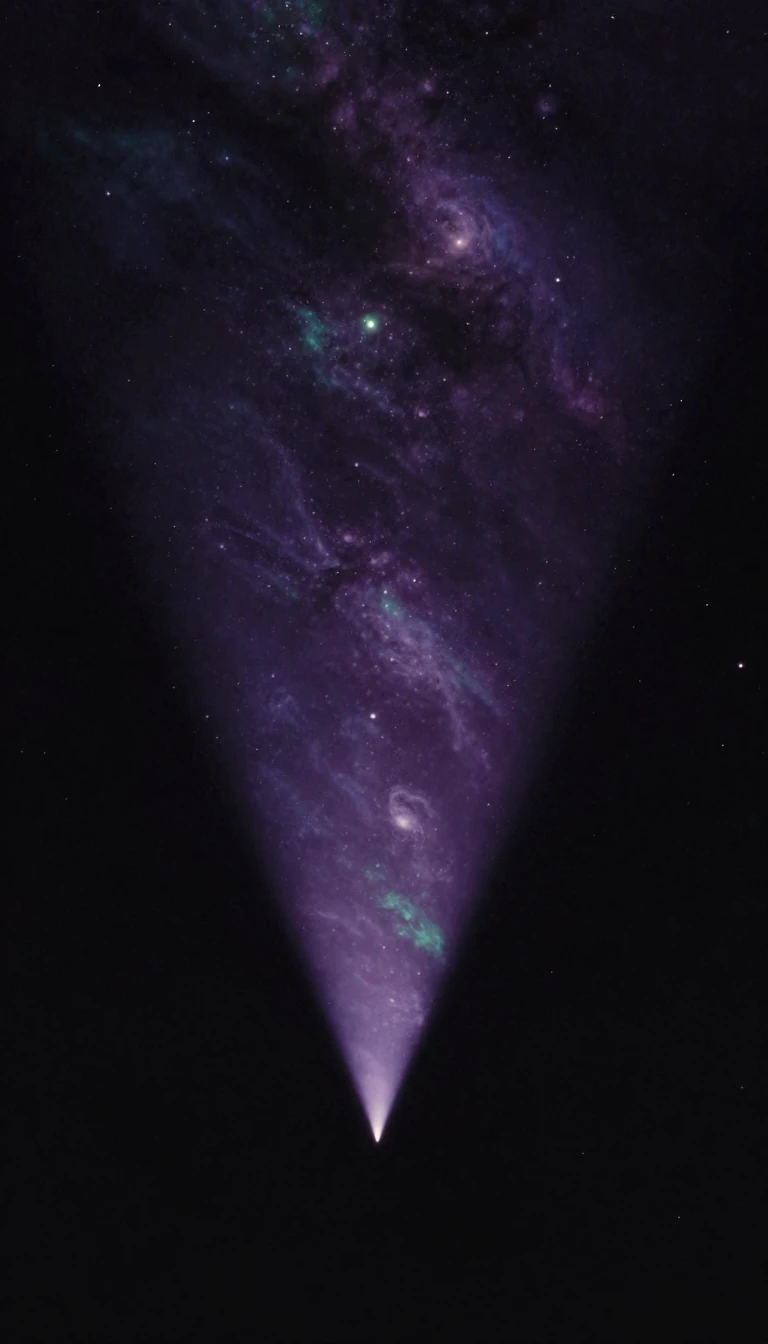
In short: Launched in 2003, the Galaxy Evolution Explorer (GALEX) spent nearly a decade peering into the ultraviolet cosmos. By measuring star formation across 10 billion years of history, this small satellite transformed our understanding of how galaxies grow, die, and produce the heavy elements that define our universe.
The Galaxy Evolution Explorer, or GALEX, was a NASA Small Explorer mission designed to capture the universe in ultraviolet wavelengths. Launched on April 28, 2003, via an air-launched Pegasus vehicle, the spacecraft operated in a circular orbit 697 kilometers above Earth. Its primary objective was to map the history of star formation, allowing scientists to look back 80% of the way to the Big Bang. By analyzing Near-UV and Far-UV emissions, researchers could identify young stellar populations and better characterize complex phenomena like dark matter and black holes.
Technologically, GALEX was a pioneer. It utilized a 50-centimeter Modified Ritchey–Chrétien telescope equipped with the first ultraviolet dichroic beam-splitter ever flown in space. This allowed the craft to split light into two distinct channels, directing photons to microchannel plate detectors. To achieve its scientific goals, the mission conducted eight distinct surveys, ranging from an all-sky imaging survey to ultra-deep investigations of distant galaxies. These efforts provided a comprehensive look at how galaxies evolve and how stars form within them, even when those UV signals originated from older stellar populations.
The mission’s lifespan exceeded its original 29-month plan, continuing operations for almost nine years. Despite a far-ultraviolet detector failure in 2009 and the loss of NASA funding in 2011, the project found a second life. Under the Stevenson-Wydler Technology Innovation Act, control of the spacecraft was transferred to the California Institute of Technology in May 2012. NASA officially decommissioned the satellite in June 2013, though it is expected to remain in orbit until at least 2068. The total life-cycle cost for this window into the ultraviolet universe was US$150.6 million.
Opens the Intellect+ feed with this card first. Swipe up for the next one.
Sources
- Summary by Intellect · source: GALEX
To cite this card, link to https://intellectplus.co.uk/app/space-galex.
How we source, check and correct cards: Editorial standards.
General information, not professional advice. Spotted an error? Flag the card or see corrections and complaints.
Intellect Plus is a visual educational discovery platform for exploring fascinating facts and ideas. Brain Food, Not Brain Rot. What is Intellect Plus?
Related
More in Astronomical technology · More in Space · Latest · A–Z · All topics
