Why June is the most astronomically significant month for our planet's seasonal cycle
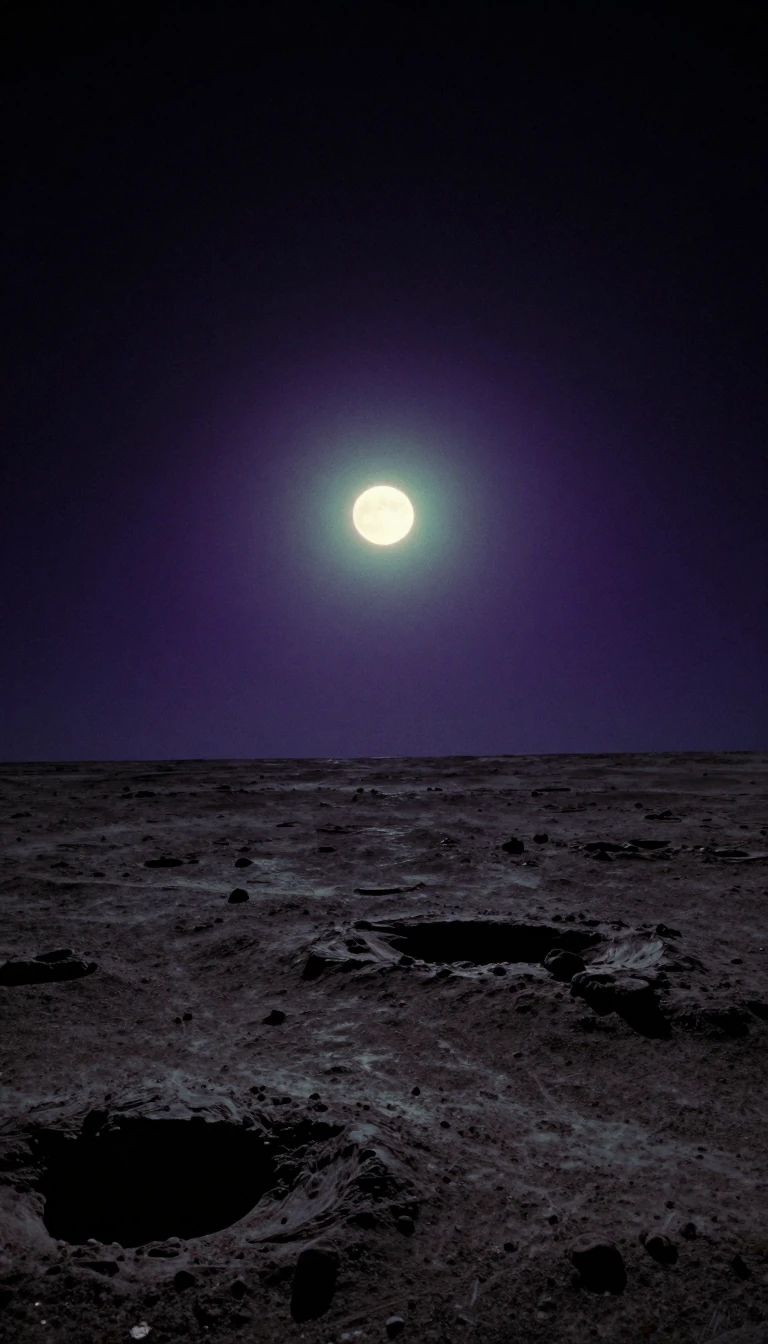
In short: June marks a celestial turning point, hosting the summer solstice in the Northern Hemisphere and the winter solstice in the Southern. This month dictates the extremes of daylight, from the midnight sun in the Arctic to the polar night in the Antarctic, fundamentally shaping the rhythm of life across the globe.
The sixth month of the Gregorian calendar, June, derives its name from the Roman goddess Juno. Its astronomical identity is defined by the solstice, which occurs between 20 and 22 June. During this event, the North Pole is tilted approximately 23.4 degrees toward the Sun, causing the Sun's rays to reach their northernmost point at the Tropic of Cancer. This results in the longest day of the year for the Northern Hemisphere and the shortest for the Southern Hemisphere.
Beyond the solstice, June serves as a critical period for global climate patterns. It marks the commencement of the Atlantic hurricane season, which runs from 1 June to 30 November, and triggers the onset of several major monsoons, including the East Asian, North American, and West African systems. These weather shifts are accompanied by intense astronomical phenomena, such as the Arietids meteor shower, which peaks on 8 June, and the full moon often called the strawberry moon.
The month's history is as complex as its meteorology. Originally the fourth month of the Roman calendar, it was moved to the sixth position, a change scholars generally date to 153 BC. Attempts to rename the month were frequent but fleeting; in AD 65, it was briefly called Germanicus to honor Emperor Nero, and in AD 184, Emperor Commodus renamed it Aelius. Both titles were eventually discarded, leaving the name June to persist as a testament to ancient Roman influence on our modern timekeeping.
Today, June remains a focal point for diverse cultural and scientific observances. From the celebration of Midsummer to the commemoration of historical milestones like the 1944 Normandy landings, the month balances natural cycles with human history. Whether through the lens of agricultural harvests or the rigorous tracking of the solar year, June remains a vital anchor in the way we measure and experience the passage of time.
Opens the Intellect+ feed with this card first. Swipe up for the next one.
Sources
- Summary by Intellect · source: June
- Also: June | month | Britannica
To cite this card, link to https://intellectplus.co.uk/app/space-june.
How we source, check and correct cards: Editorial standards.
General information, not professional advice. Spotted an error? Flag the card or see corrections and complaints.
Intellect Plus is a visual educational discovery platform for exploring fascinating facts and ideas. Brain Food, Not Brain Rot. What is Intellect Plus?
Related
More in Navigation and timekeeping · More in Space · Latest · A–Z · All topics
