Why does the world collectively dread the arrival of the first day of the week?
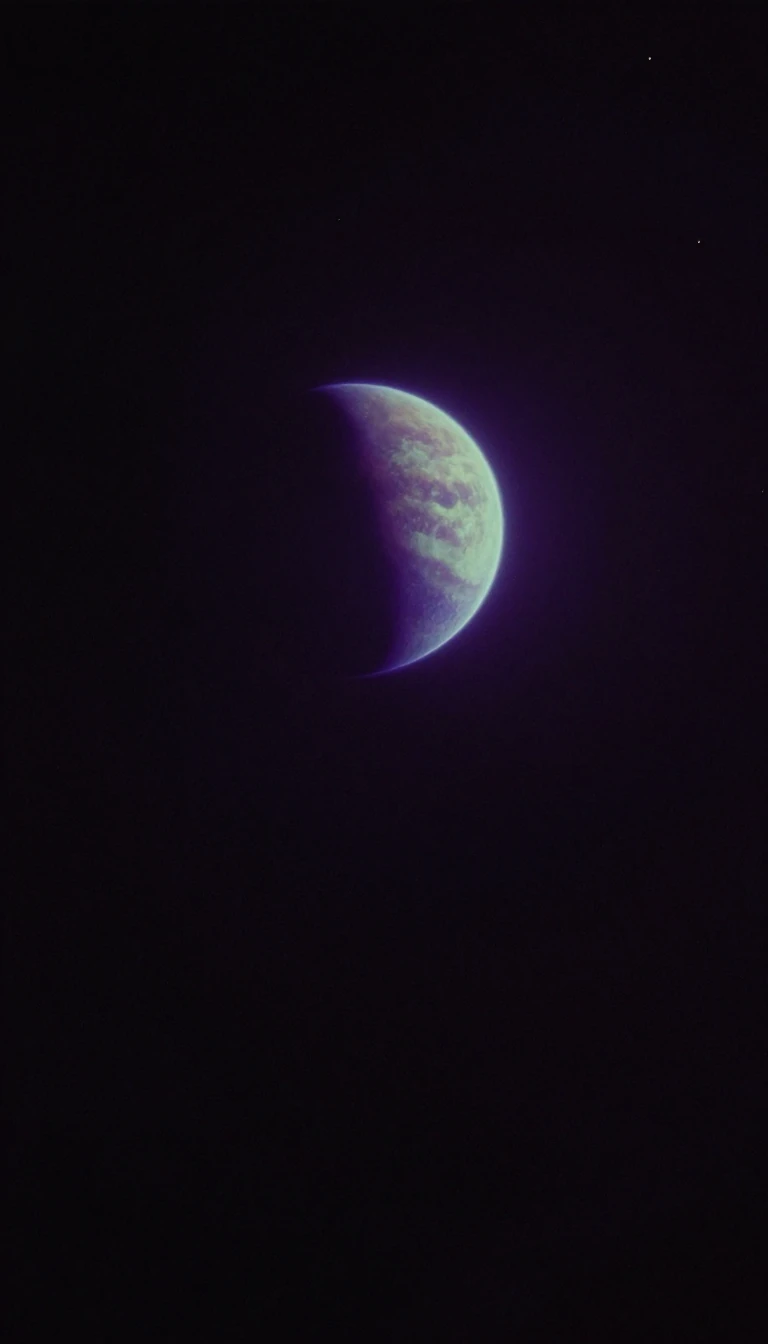
In short: Across cultures, Monday is a day of profound contradiction. While it is linguistically rooted in the moon and ancient celestial worship, modern society often treats it as a source of melancholy, anxiety, and even physical risk. From religious fasting to corporate branding, the day carries a weight unlike any other.
Etymologically, Monday is a celestial legacy. The name traces back to the Roman dies lunae, or 'day of the moon,' a designation preserved in Germanic languages like the Old English mōnandæg and modern German Montag. In many Eastern traditions, this lunar connection remains explicit; Japanese and Korean use characters meaning 'day of the moon,' while Indo-Aryan languages employ Sanskrit loan-translations like Somavāra, referencing the moon deity Chandra or Soma. This ancient reverence contrasts sharply with the 'ecclesiastical' naming tradition, which views Monday as the 'second day' to avoid pagan associations, a convention still found in Hebrew, Portuguese, and the liturgical calendar of the Catholic Church.
The modern perception of Monday is heavily influenced by its role as the start of the workweek, a status formalized by the International Organization for Standardization's ISO 8601 standard. This transition from weekend rest to labor has fostered a cultural narrative of dread. Popular media, from the Carpenters' 'Rainy Days and Mondays' to the iconic hatred expressed by the comic strip character Garfield, reinforces the day as a period of boredom or misery. This sentiment is not merely anecdotal; data from the United Kingdom suggests that Monday sees higher rates of absenteeism and, more alarmingly, a higher incidence of serious heart attacks and suicides compared to other days.
Despite this reputation, Monday holds deep spiritual significance across global faiths. In Islam, it is a day for voluntary fasting, as it is believed to be the day of Muhammad’s birth and his first revelation. Hinduism associates the day with Shiva, with devotees observing fasts to seek auspicious outcomes. Meanwhile, Eastern Orthodox monasteries dedicate Mondays to the angels, with monks adopting strict dietary restrictions to emulate an angelic life. Whether viewed as a day of divine reflection or a source of modern malaise, Monday remains a unique anchor in the human experience of time.
Opens the Intellect+ feed with this card first. Swipe up for the next one.
Sources
- Summary by Intellect · source: Monday
To cite this card, link to https://intellectplus.co.uk/app/space-monday.
How we source, check and correct cards: Editorial standards.
General information, not professional advice. Spotted an error? Flag the card or see corrections and complaints.
Intellect Plus is a visual educational discovery platform for exploring fascinating facts and ideas. Brain Food, Not Brain Rot. What is Intellect Plus?
Related
More in Navigation and timekeeping · More in Space · Latest · A–Z · All topics
