Why Saturday is named after a Roman god, a bath, and the Sabbath
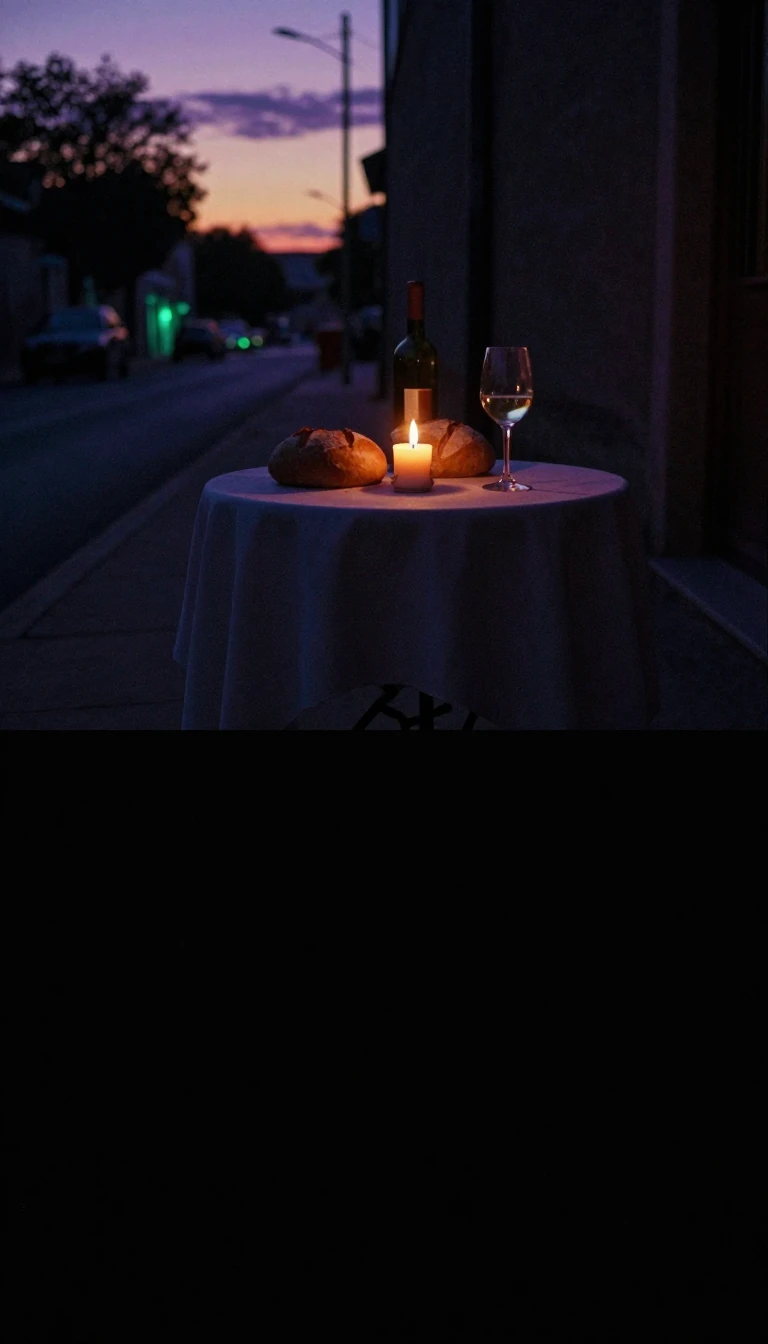
In short: Saturday is a linguistic and cultural paradox. While English ties the day to the Roman god Saturn, other languages trace it to ancient bathing rituals, the Hebrew Sabbath, or even the sun. From vampire hunting to election mandates, this day carries a weight far beyond its place on the calendar.
The origins of Saturday reveal a collision of ancient systems. The Roman name, diēs Sāturnī, emerged by the 2nd century AD, linking the day to the planet Saturn, which astrologers like Vettius Valens believed presided over the day's first hour. While Germanic peoples often replaced Roman deities with their own, they largely kept the name Saturn, likely because no native god served as a direct equivalent. Conversely, other cultures adopted entirely different frameworks. In Scandinavia, the day is lördag, rooted in the Viking practice of bathing, while in German-speaking regions, terms like Samstag and Sonnabend reflect influences from the Greek sávvato and the concept of a 'Sun eve'.
The seven-day week itself originated in Judaism, with the seventh day observed as the Sabbath. This structure eventually replaced the Roman eight-day nundinal cycle between the 1st and 3rd centuries AD. Today, the day's religious significance remains profound. For Jews, Seventh-day Adventists, and others, the Sabbath is a sacred period of rest from sundown Friday to nightfall Saturday. In contrast, the Eastern Orthodox Church commemorates the day Jesus lay in the tomb, often dedicating Saturdays to prayers for the dead and the Virgin Mary. Meanwhile, the international standard ISO 8601 classifies Saturday as the sixth day, a designation many religious groups reject in favor of the traditional seventh-day status.
Beyond theology, Saturday has become a canvas for diverse cultural practices. In Sweden and Norway, the tradition of lördagsgodis—limiting sweets to Saturdays—was born from the Vipeholm experiments conducted between 1945 and 1955 to combat dental caries. In other parts of the world, the day is defined by civic duty; Australia and New Zealand mandate that elections occur on Saturdays, a practice mirrored in the U.S. state of Louisiana. From the Balkan folklore of 'Sabbatarians'—people born on Saturdays believed to possess the power to hunt vampires—to the modern association with the party scene and television comedy, Saturday remains a day defined by its unique, often contradictory, global identity.
Opens the Intellect+ feed with this card first. Swipe up for the next one.
Sources
- Summary by Intellect · source: Saturday
To cite this card, link to https://intellectplus.co.uk/app/space-saturday.
How we source, check and correct cards: Editorial standards.
General information, not professional advice. Spotted an error? Flag the card or see corrections and complaints.
Intellect Plus is a visual educational discovery platform for exploring fascinating facts and ideas. Brain Food, Not Brain Rot. What is Intellect Plus?
Related
More in Navigation and timekeeping · More in Space · Latest · A–Z · All topics
