When a star grows too massive, it can trigger a total thermonuclear self-destruction.
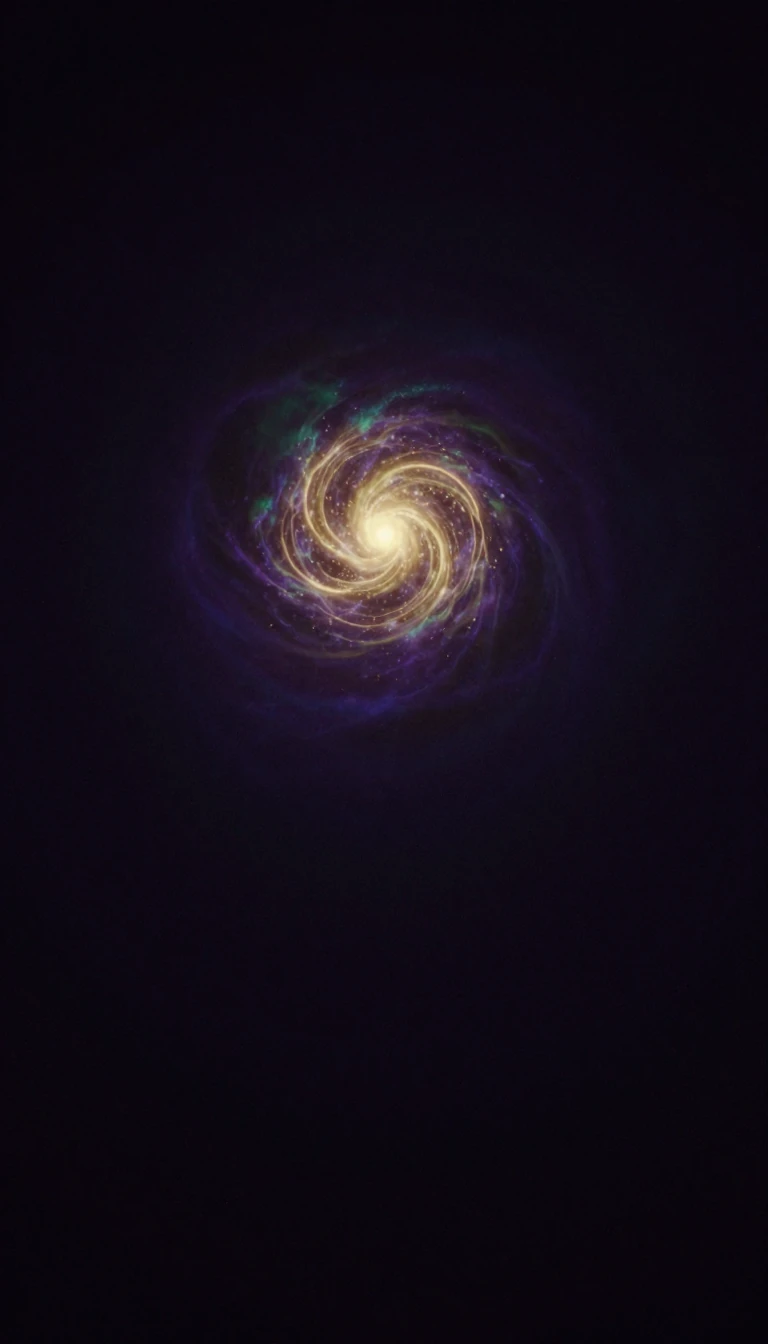
In short: In the most massive stars, the core becomes so hot that gamma rays transform into electron-positron pairs. This sudden drop in radiation pressure causes the star to collapse, igniting a runaway fusion reaction that obliterates the entire star, leaving behind no black hole or stellar remnant whatsoever.
A pair-instability supernova occurs in stars with masses between approximately 130 and 250 solar masses. In these extreme environments, interior temperatures exceed 300,000,000 K, causing photons to exist primarily as high-energy gamma rays. These gamma rays provide the vital outward pressure necessary to support the star against the crushing force of gravity. However, when gamma rays reach sufficient energy, they interact to form electron-positron pairs, a process that temporarily saps the core of its supporting pressure.
This reduction in pressure triggers a partial collapse, which compresses the core and accelerates nuclear fusion. In a runaway process, the core produces more energy, creating even more gamma rays that are immediately consumed to produce more pairs. Eventually, this thermal runaway ignites the explosive fusion of oxygen and heavier elements. The resulting thermonuclear explosion is so violent that it releases more energy than the star’s gravitational binding energy, causing the star to be completely disrupted. Unlike typical supernovae that leave behind a neutron star or black hole, this process leaves no remnant.
The aftermath of such an event is characterized by the production of vast quantities of nickel-56, which decays into cobalt-56 and eventually stable iron-56. This radioactive decay, combined with the collision of ejecta, powers the supernova's light. Because these events completely destroy the progenitor, they are thought to contribute to an 'upper mass gap' in the distribution of stellar black holes. While stars below 100 solar masses lack the energy to trigger this instability, stars exceeding 250 solar masses undergo photodisintegration, which absorbs the energy and leads to a direct collapse into a black hole instead of an explosion.
Opens the Intellect+ feed with this card first. Swipe up for the next one.
Sources
- Summary by Intellect · source: Pair-instability supernova
To cite this card, link to https://intellectplus.co.uk/app/space-pair-instability-supernova.
How we source, check and correct cards: Editorial standards.
General information, not professional advice. Spotted an error? Flag the card or see corrections and complaints.
Intellect Plus is a visual educational discovery platform for exploring fascinating facts and ideas. Brain Food, Not Brain Rot. What is Intellect Plus?
Related
More in Stellar astronomy · More in Space · Latest · A–Z · All topics
