Why the search for life beyond Earth is moving beyond the classic habitable zone
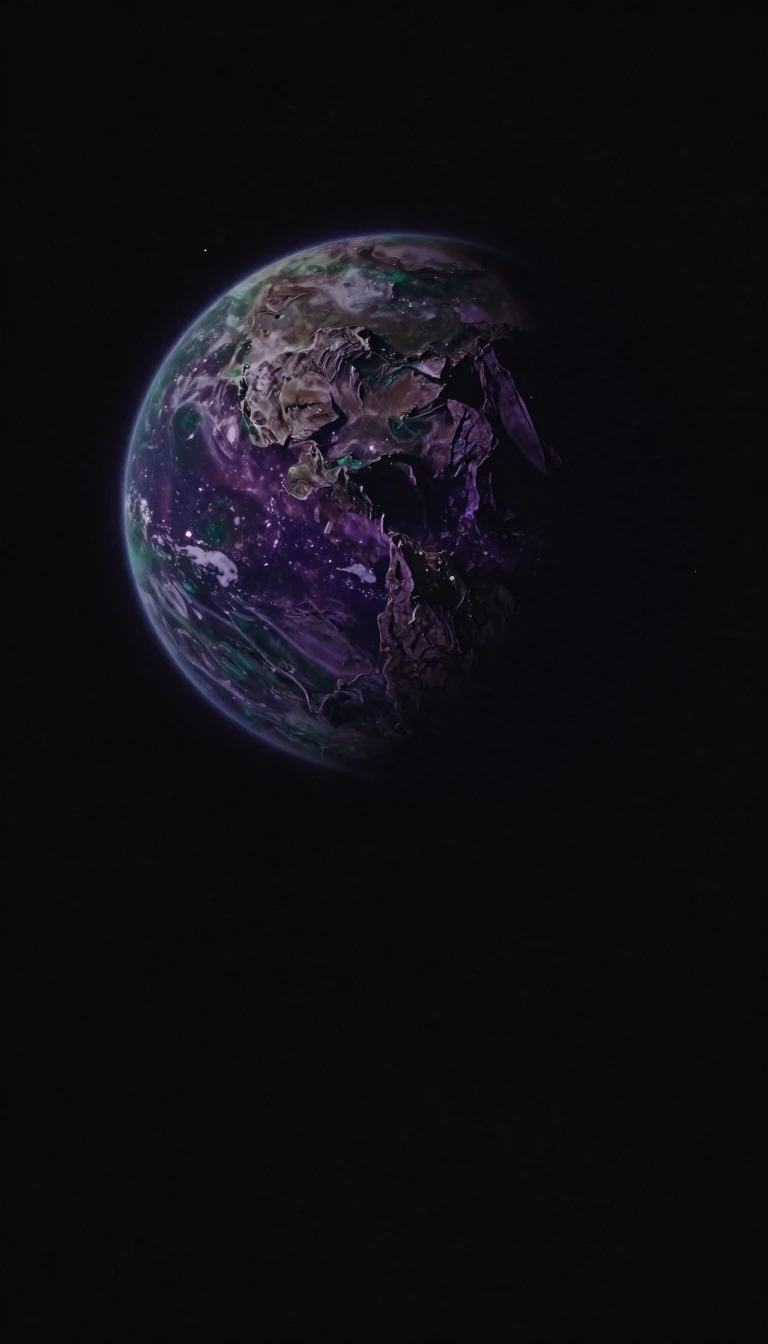
In short: The traditional habitable zone is a convenient starting point, but it is far from the whole story. While we look for liquid water on planetary surfaces, life may thrive in hidden, icy interiors or around stars that defy our current expectations. The search for life is becoming a complex, multidimensional puzzle.
Planetary habitability is often defined by the 'habitable zone'—the distance from a star where surface temperatures allow liquid water to pool. However, this model is limited. It focuses on surface conditions, yet life does not strictly require stellar light. Extremophiles on Earth demonstrate that life can persist in deep-sea hydrothermal vents, suggesting that subsurface oceans on icy moons like Enceladus could be viable habitats regardless of their distance from a star.
The host star itself is a critical variable. While G-type stars like our Sun have nurtured life for nearly 4 billion years, they are relatively rare and short-lived. Red dwarfs are far more common, but their narrow habitable zones expose orbiting planets to intense, sterilizing X-ray and ultraviolet radiation. Many scientists now point to orange dwarfs, or K-type stars, as the true 'Goldilocks' candidates. These stars are more abundant than solar-type stars and burn steadily for tens of billions of years, providing a vast, stable timescape for biological evolution.
Ultimately, habitability is a binary concept used to frame continuous ecological questions. It requires more than just liquid water; it demands energy sources to sustain metabolism and conditions favorable for the assembly of complex organic molecules. As we explore further, we are learning that the search for life must account for a planet's bulk composition, atmospheric state, and geodynamic activity. Whether we find life on a rocky terrestrial world or within the dark, pressurized oceans of an icy moon, the definition of a habitable environment continues to expand beyond the simple geometry of a star's orbit.
Opens the Intellect+ feed with this card first. Swipe up for the next one.
Sources
- Summary by Intellect · source: Sustained and comparative habitability beyond Earth - Nature Astronomy
- Also: The Habitable Zone - NASA Science
- Also: Planetary habitability
To cite this card, link to https://intellectplus.co.uk/app/space-planetary-habitability.
How we source, check and correct cards: Editorial standards.
General information, not professional advice. Spotted an error? Flag the card or see corrections and complaints.
Intellect Plus is a visual educational discovery platform for exploring fascinating facts and ideas. Brain Food, Not Brain Rot. What is Intellect Plus?
Related
More in Planetary science · More in Space · Latest · A–Z · All topics
