Asteroid impact test shows ejecta recoil significantly boosts momentum transfer
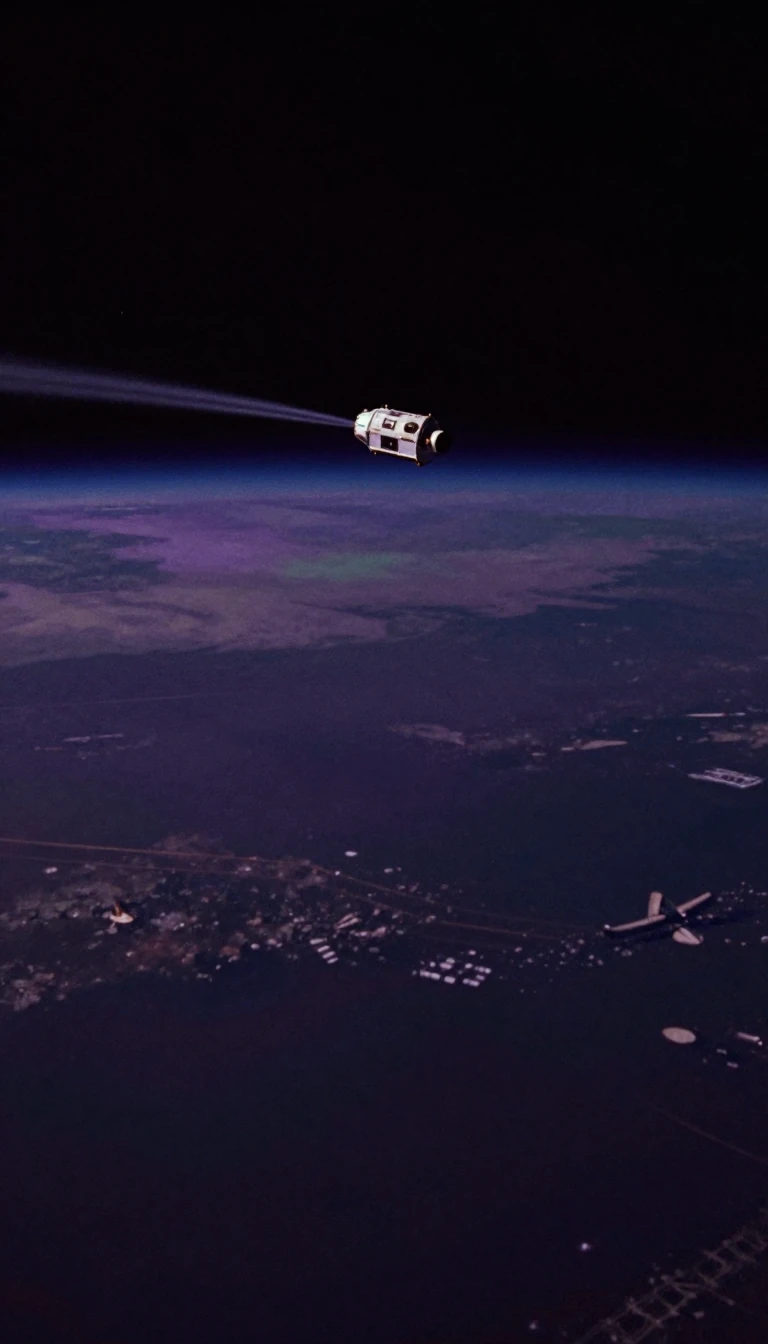
In short: The NASA DART mission conducted a kinetic impact on the asteroid Dimorphos to test planetary defense strategies. By striking the asteroid at high velocity, researchers aimed to see if a spacecraft could successfully alter its path. The study found that the impact caused a reduction in the asteroid's orbital velocity, showing that the collision was highly effective at deflecting the celestial body.
The results indicate that the momentum transferred to Dimorphos was significantly greater than the momentum of the spacecraft itself. This enhancement is linked to the recoil from ejecta streams—material blasted off the surface during the hit—which pushed the asteroid further than a simple collision would.
The researchers determined these values by measuring changes in the orbital period of the binary asteroid system. A primary limitation of this study is that the exact momentum enhancement factor depends on the asteroid's unknown internal density and mass.
Why it matters: Understanding how ejecta recoil helps us design more effective methods to deflect potentially hazardous asteroids from Earth.
Opens the Intellect+ feed with this card first. Swipe up for the next one.
Sources
- Source: Research: CHENG et al. (2023). Momentum transfer from the DART mission kinetic impact on asteroid Dimorphos. Nature. · cc-by
To cite this card, link to https://intellectplus.co.uk/app/space-research-asteroid-impact-test-shows-ejecta-recoil-significantly-boost.
How we source, check and correct cards: Editorial standards.
General information, not professional advice. Spotted an error? Flag the card or see corrections and complaints.
Intellect Plus is a visual educational discovery platform for exploring fascinating facts and ideas. Brain Food, Not Brain Rot. What is Intellect Plus?
Related
More in Astronomy · More in Space · Latest · A–Z · All topics
