Astronomers estimate the mass and radius of a massive millisecond pulsar
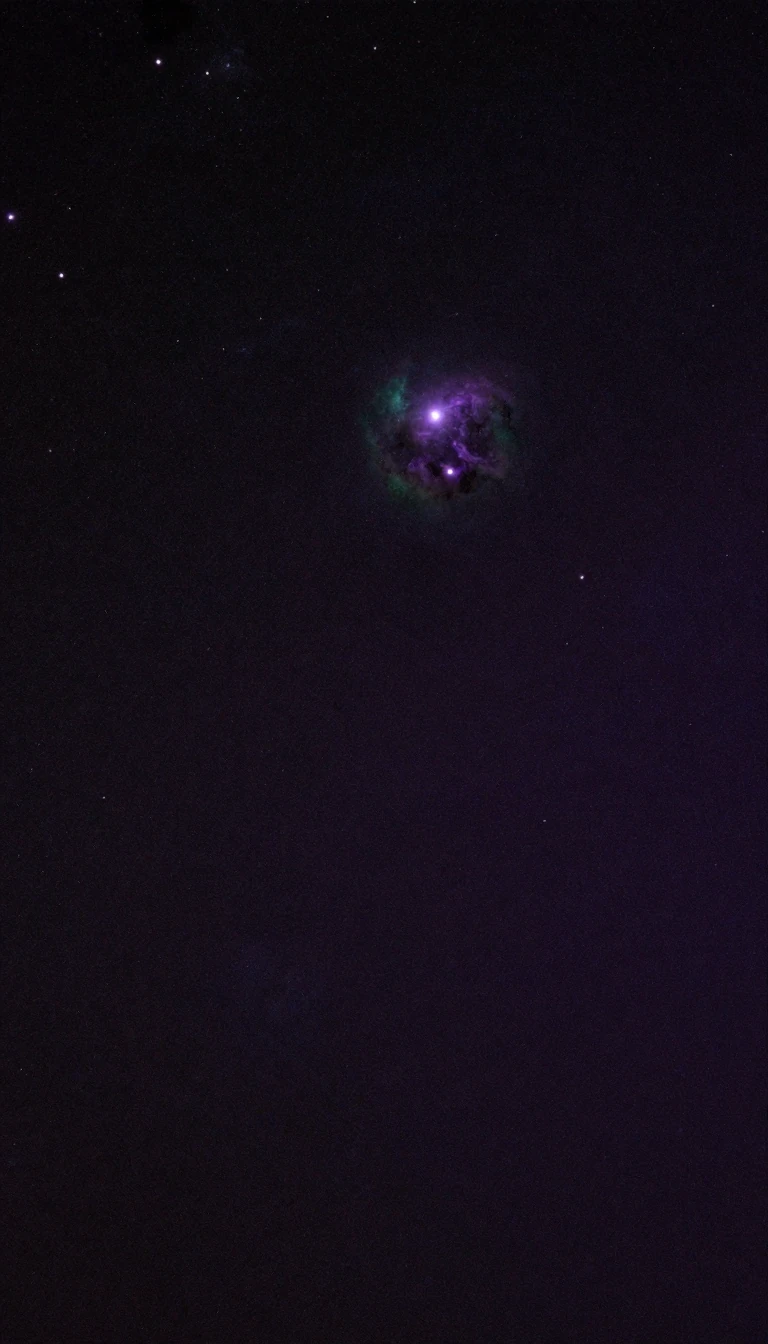
In short: Astronomers using X-ray data from the NICER instrument have estimated the physical properties of the massive millisecond pulsar PSR J0740+6620. By analyzing X-ray timing and spectroscopy, the researchers found that this dense object has an equatorial radius of approximately 12.39 kilometers and a mass of roughly 2.072 solar masses.
The study used Bayesian estimation to model the pulsar's mass and radius, incorporating radio timing data and X-ray spectroscopy from XMM-Newton. This approach helps constrain the properties of dense matter. However, the researchers had to truncate their radius estimates at 16 km to remain within the scope of current dense matter models.
Why it matters: Precise measurements of pulsar mass and radius provide critical constraints on the nature of dense matter in the universe.
Opens the Intellect+ feed with this card first. Swipe up for the next one.
Sources
- Summary by Intellect · source: Research: Riley et al. (2021). A NICER View of the Massive Pulsar PSR J0740+6620 Informed by Radio Timing and XMM-Newton Spectroscopy. The Astrophysical Journal Letters.
To cite this card, link to https://intellectplus.co.uk/app/space-research-astronomers-estimate-the-mass-and-radius-of-a-massive-millis.
How we source, check and correct cards: Editorial standards.
General information, not professional advice. Spotted an error? Flag the card or see corrections and complaints.
Intellect Plus is a visual educational discovery platform for exploring fascinating facts and ideas. Brain Food, Not Brain Rot. What is Intellect Plus?
Related
More in Space · Latest · A–Z · All topics
