Lunar lava samples reveal volcanic activity as recently as two billion years ago
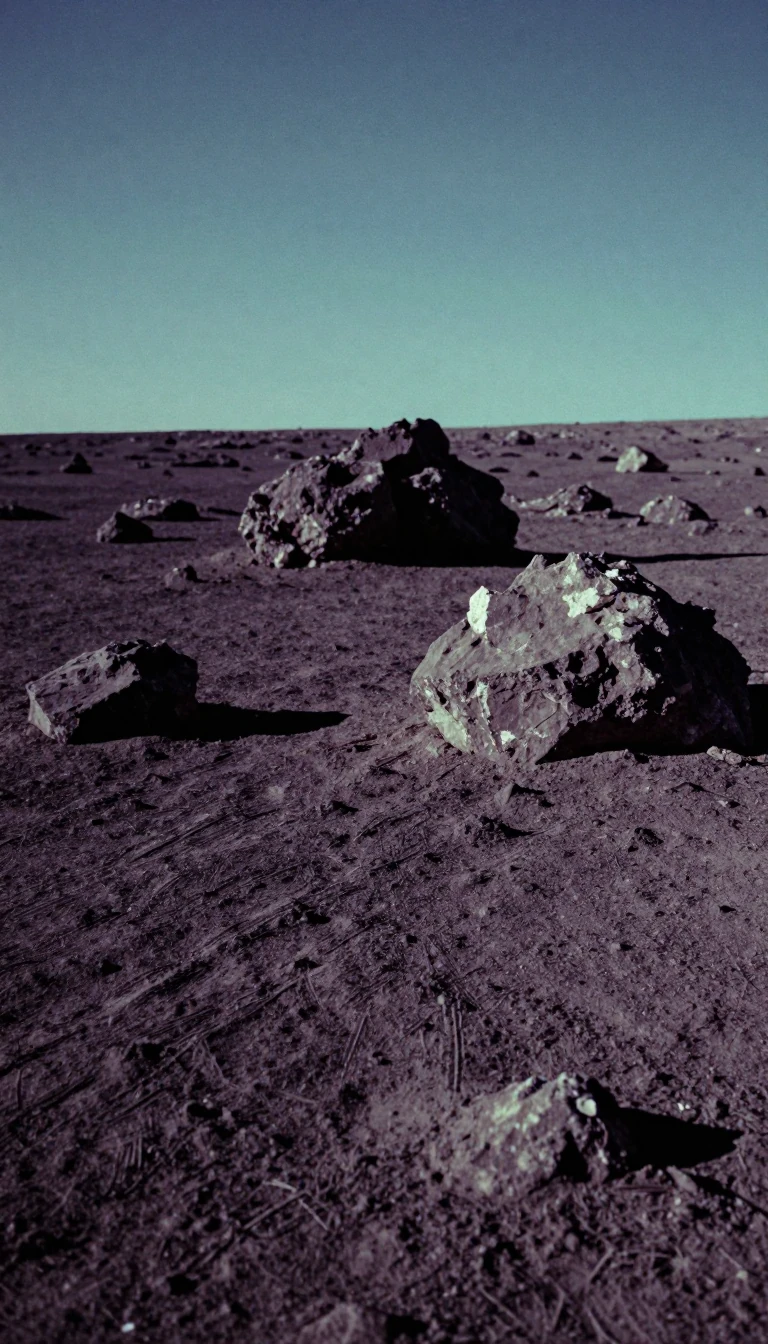
In short: Researchers analyzing rocks returned by the Chang’e-5 mission found that some of the Moon's youngest basalt lavas are approximately 1,963 million years old. These samples, collected from the Oceanus Procellarum region, provide a new timestamp for the Moon's volcanic history.
This finding helps refine our understanding of the Moon's thermal evolution and the impact history of the inner Solar System. While Oceanus Procellarum is rich in heat-producing elements like uranium, thorium, and potassium, the study found no evidence that high concentrations of these elements in the deep mantle drove this late-stage magmatism, suggesting other mechanisms must have sustained lunar volcanism.
The researchers performed laboratory analysis on physical samples brought back to Earth. The study's conclusions are based on the specific samples returned by this single mission.
Why it matters: The discovery of relatively young lunar lava challenges existing models of how the Moon's interior remained thermally active.
Opens the Intellect+ feed with this card first. Swipe up for the next one.
Sources
- Source: Research: Che et al. (2021). Age and composition of young basalts on the Moon, measured from samples returned by Chang’e-5. Science. · other-oa
To cite this card, link to https://intellectplus.co.uk/app/space-research-lunar-lava-flows-reveal-a-timeline-for-the-moon-s-volcanic-h.
How we source, check and correct cards: Editorial standards.
General information, not professional advice. Spotted an error? Flag the card or see corrections and complaints.
Intellect Plus is a visual educational discovery platform for exploring fascinating facts and ideas. Brain Food, Not Brain Rot. What is Intellect Plus?
Related
More in Planetary science · More in Space · Latest · A–Z · All topics
