Moon's youngest basalts may not need heat-rich elements to form
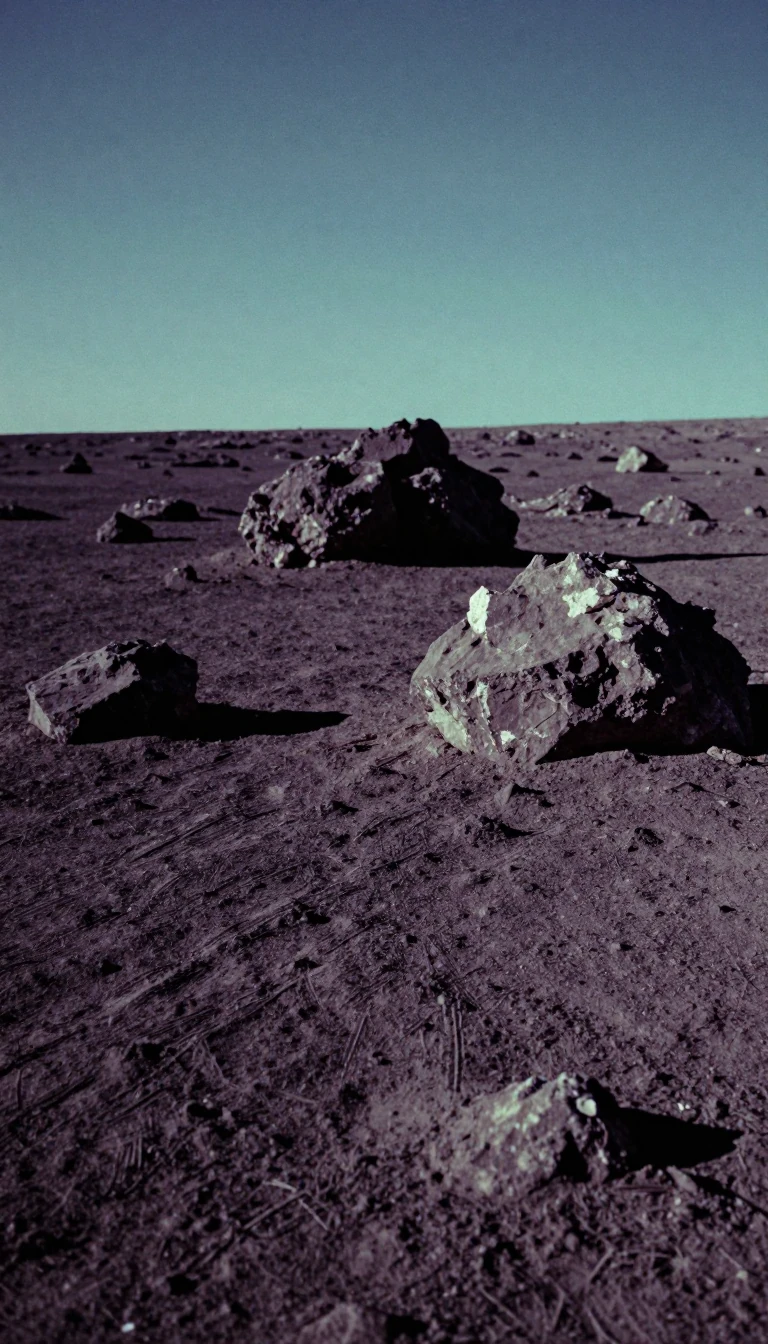
In short: Scientists who analysed two-billion-year-old basalt fragments returned by China's Chang'e-5 mission found that, although the rocks sit in a region known for heat-generating elements like potassium and thorium, their strontium and neodymium isotopes point to a mantle source lacking those same heat-producing ingredients. Instead, melting only a small fraction of the mantle and extensive crystallisation seem to explain the rocks' unusual chemistry.
This challenges the long-standing assumption that the Moon's youngest volcanic rocks must come from a heat-rich KREEP source to stay molten for billions of years. If young mare volcanism doesn't require those heat-producing elements, the lunar interior may have cooled more slowly and gradually than models assumed. The conclusions rest on geochemical and isotopic analysis of basalt clasts from a single returned sample set, so they describe this particular find rather than the whole Moon.
Why it matters: The Moon may have stayed capable of producing young melted rock for longer than thought, without needing a special heat-rich source.
Opens the Intellect+ feed with this card first. Swipe up for the next one.
Sources
- Source: Research: Tian et al. (2021). Non-KREEP origin for Chang’e-5 basalts in the Procellarum KREEP Terrane. Nature. · cc-by
To cite this card, link to https://intellectplus.co.uk/app/space-research-moon-s-youngest-volcanic-rocks-may-not-come-from-heat-rich-s.
How we source, check and correct cards: Editorial standards.
General information, not professional advice. Spotted an error? Flag the card or see corrections and complaints.
Intellect Plus is a visual educational discovery platform for exploring fascinating facts and ideas. Brain Food, Not Brain Rot. What is Intellect Plus?
Related
More in Moon · More in Space · Latest · A–Z · All topics
