The Moon is a complex, layered world with a history written in its crust.
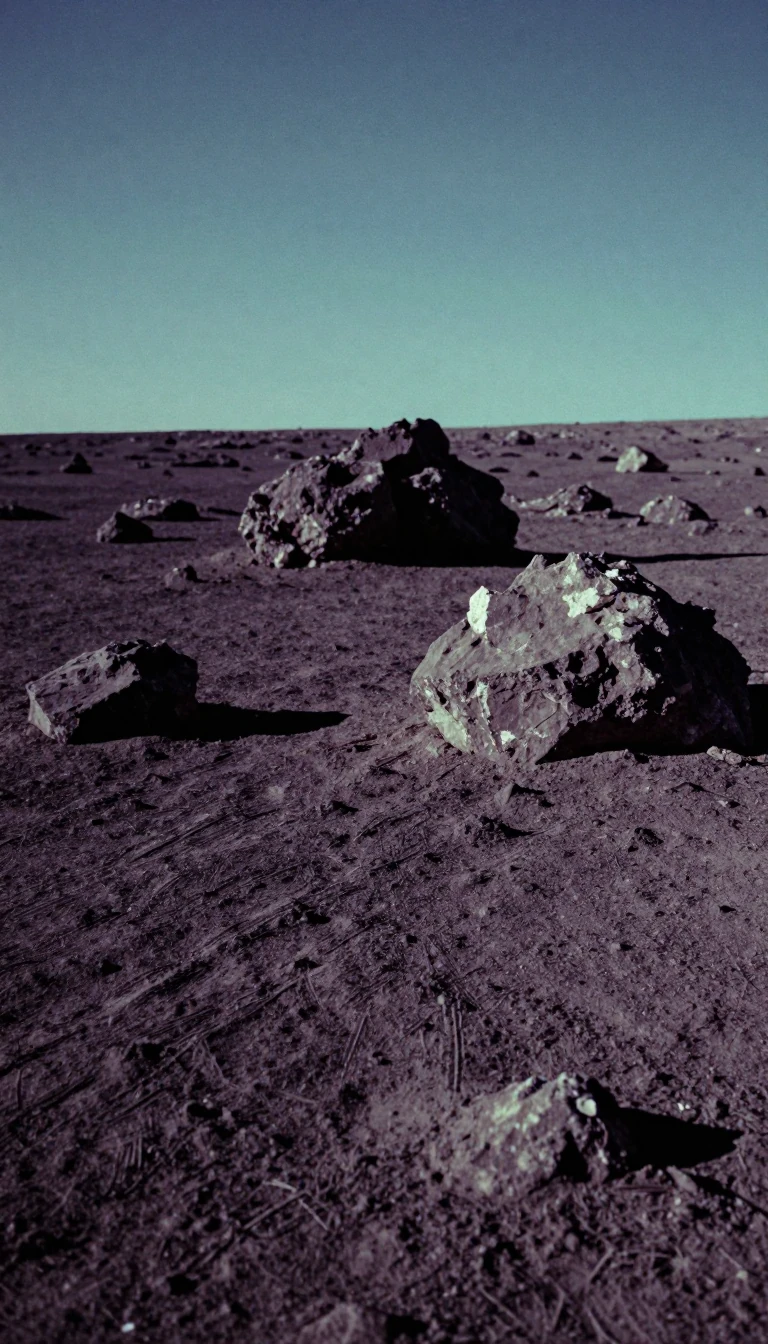
In short: Far from a static, silent rock, the Moon is a geologically active body with a mysterious internal structure. From its ancient, floating crust to the dark, volcanic plains of its maria, the lunar surface reveals a violent past shaped by magma oceans, massive impacts, and lingering chemical anomalies.
The Moon formed as a differentiated world, separating into a core, mantle, and crust as it cooled from a molten state billions of years ago. Its crust is notably uneven, measuring about 37 miles thick on the far side but only 25 miles on the near side. This outer shell is primarily composed of anorthosite, a calcium-rich rock that floated to the surface of the early lunar magma ocean because it was less dense than the surrounding molten material. Today, this ancient crust is heavily modified by impact craters and covered in regolith—a layer of loose, shattered rock and dust created by eons of cosmic bombardment.
Volcanic activity played a defining role in shaping the lunar surface. After the initial crust formed, magma rose to fill impact basins, creating dark, flat deposits known as mare basalts. These regions are rich in iron and magnesium, contrasting sharply with the brighter, older highlands. Beyond these features, the Moon hides strange anomalies like the Procellarum KREEP Terrane, a region enriched in potassium, rare earth elements, and phosphorus. The origin of this KREEP-rich material remains a subject of intense scientific debate, with theories suggesting it concentrated in a liquid layer beneath the crust before potentially being excavated by massive impacts like the Imbrium event.
Recent exploration continues to challenge our understanding of lunar evolution. Missions like Chang’e-5 and Chang’e-6 have returned new samples that reveal unexpected details about the Moon’s mantle and volcanic history. For instance, researchers have identified primitive mantle olivines and discovered that the mantle beneath the far side’s South Pole-Aitken basin is more reduced than that beneath the near side. Furthermore, the Moon hosts unique features like lunar swirls—bright, curly markings linked to local magnetic fields that deflect solar wind—and permanently shadowed regions in polar craters that act as cold traps for water ice, offering a window into the history of our inner Solar System.
Opens the Intellect+ feed with this card first. Swipe up for the next one.
Sources
- Summary by Intellect · source: Lunar Geologic Settings | Lunar Trailblazer
- Also: Moon Composition - NASA Science
- Also: Geology of the Moon
- Also: Geology of the Moon
To cite this card, link to https://intellectplus.co.uk/app/space-geology-of-the-moon.
How we source, check and correct cards: Editorial standards.
General information, not professional advice. Spotted an error? Flag the card or see corrections and complaints.
Intellect Plus is a visual educational discovery platform for exploring fascinating facts and ideas. Brain Food, Not Brain Rot. What is Intellect Plus?
Related
More in Astronomical objects · More in Space · Latest · A–Z · All topics
