Simulated galaxy growth reveals a mismatch between dark matter models and reality
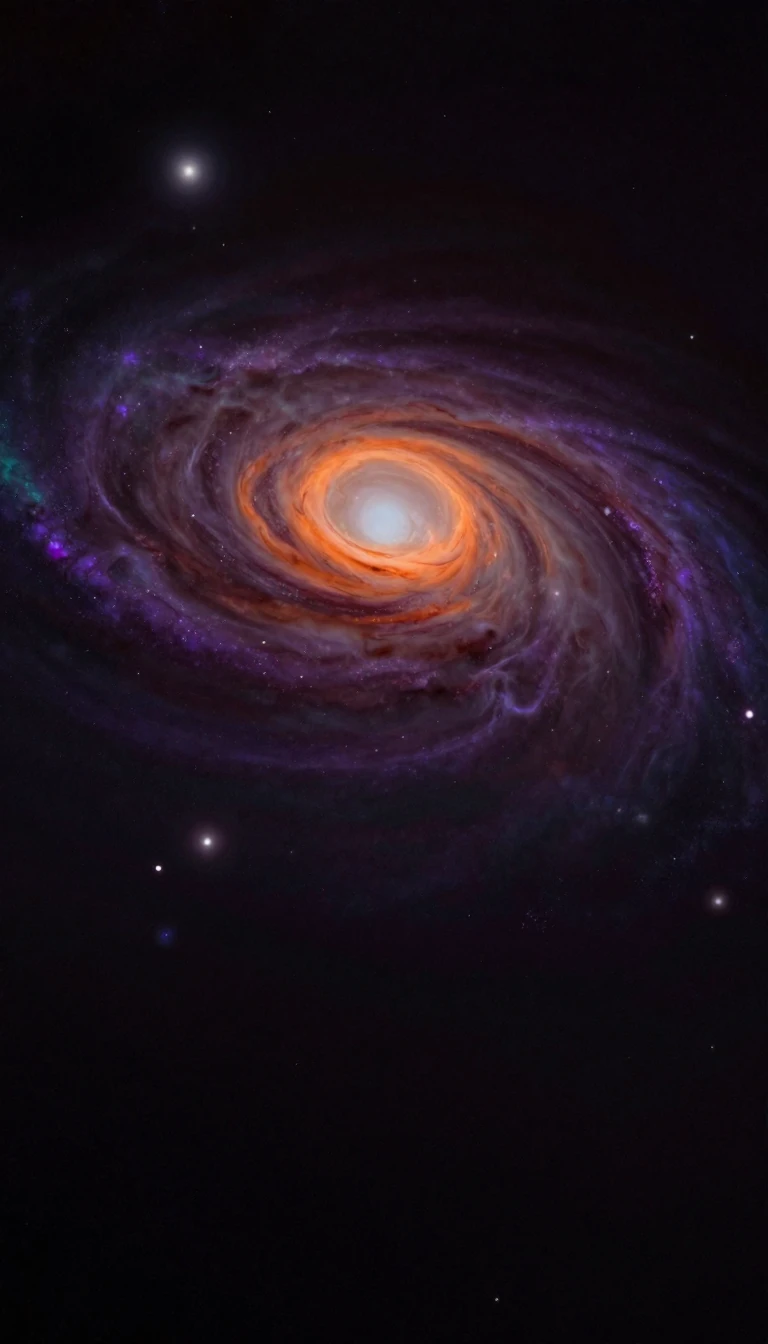
In short: Researchers using semi-analytic models to simulate galaxy evolution found that standard cold dark matter theories predict a universe much brighter than what we observe. By modeling how gas cools into stars and how mergers transform galaxy shapes, the team discovered that their model predicted a luminosity density twice as high as the actual observed value.
The study used the Milky Way's properties to calibrate parameters for star formation and supernova feedback. While the model successfully reproduced the colors and shapes of galaxies in the Virgo cluster, it highlighted a discrepancy where standard cold dark matter predicts too many haloes. This suggests that many dark matter haloes might remain invisible to our telescopes.
The findings are based on computational simulations of merging dark matter haloes rather than direct observations of all individual merger events.
Why it matters: A gap between dark matter simulations and observed light suggests many dark matter structures may be invisible.
Opens the Intellect+ feed with this card first. Swipe up for the next one.
Sources
- Summary by Intellect · source: Research: Kauffmann et al. (1993). The formation and evolution of galaxies within merging dark matter haloes*. Monthly Notices of the Royal Astronomical Society.
To cite this card, link to https://intellectplus.co.uk/app/space-research-simulated-galaxy-growth-reveals-a-mismatch-between-dark-matt.
How we source, check and correct cards: Editorial standards.
General information, not professional advice. Spotted an error? Flag the card or see corrections and complaints.
Intellect Plus is a visual educational discovery platform for exploring fascinating facts and ideas. Brain Food, Not Brain Rot. What is Intellect Plus?
Related
More in Dark matter · More in Space · Latest · A–Z · All topics
