Simulations suggest galaxy halos host hundreds of dark matter clumps
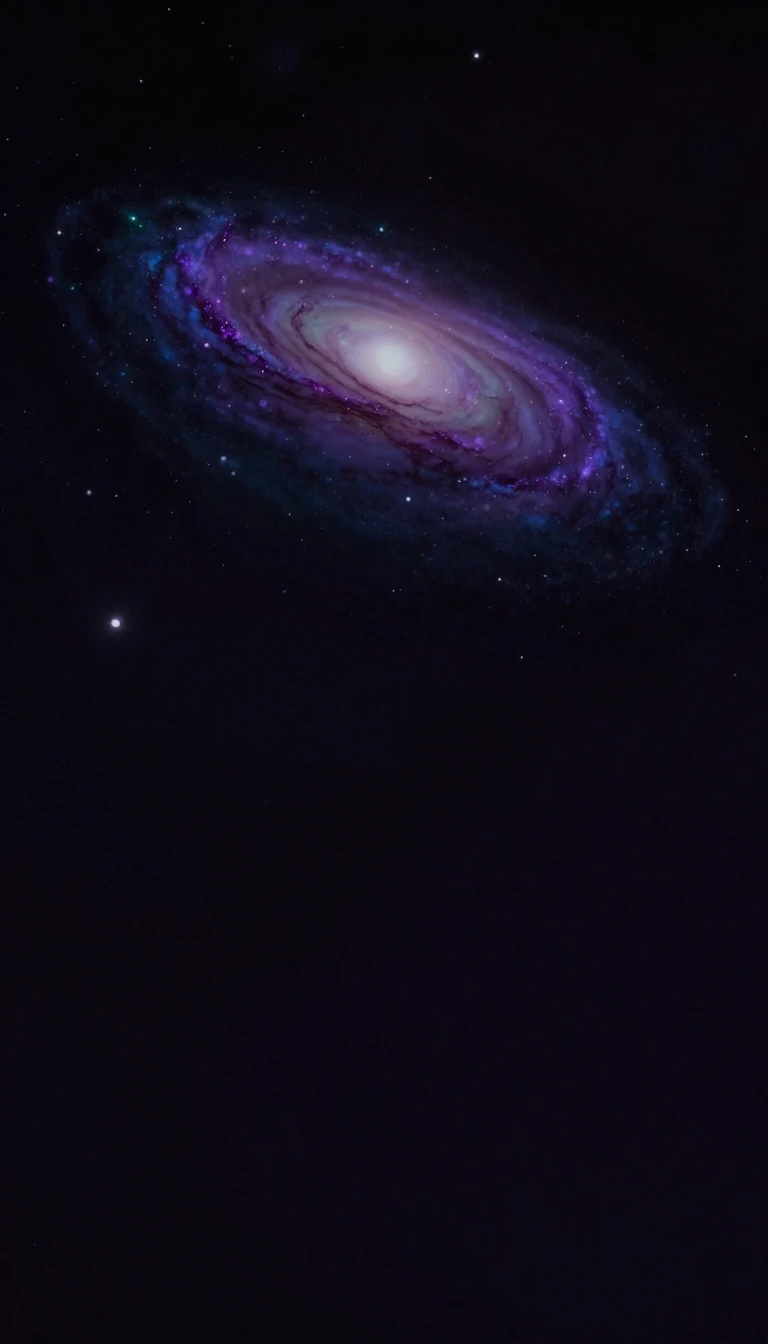
In short: Researchers running computer simulations of how galaxies form in a hierarchical universe found that galaxy-sized dark matter halos, much like galaxy clusters, are riddled with smaller clumps of dark matter. Their simulation predicted that the Milky Way's halo alone should hold roughly 500 such clumps massive enough to match or exceed the Draco and Ursa Minor dwarf galaxies.
These orbiting clumps pass through the galaxy's stellar disk, which the simulation suggests could heat and disturb it over time, with implications for faint stellar streams, gravitational lensing, and dark matter detection experiments.
The findings come from numerical simulations of a hierarchical universe rather than direct observation, so the predicted clump numbers are a model-based estimate rather than a confirmed count of real satellites.
Why it matters: Dark matter structure may persist down to galactic scales, implying hundreds of faint satellite clumps could orbit galaxies like the Milky Way.
Opens the Intellect+ feed with this card first. Swipe up for the next one.
Sources
- Summary by Intellect · source: Research: Moore et al. (1999). Dark Matter Substructure within Galactic Halos. The Astrophysical Journal.
To cite this card, link to https://intellectplus.co.uk/app/space-research-simulations-suggest-galaxy-halos-contain-hundreds-of-dark-ma.
How we source, check and correct cards: Editorial standards.
General information, not professional advice. Spotted an error? Flag the card or see corrections and complaints.
Intellect Plus is a visual educational discovery platform for exploring fascinating facts and ideas. Brain Food, Not Brain Rot. What is Intellect Plus?
Related
More in Dark matter · More in Space · Latest · A–Z · All topics
