Why scientists travel to the world's coldest desert to study the baby universe
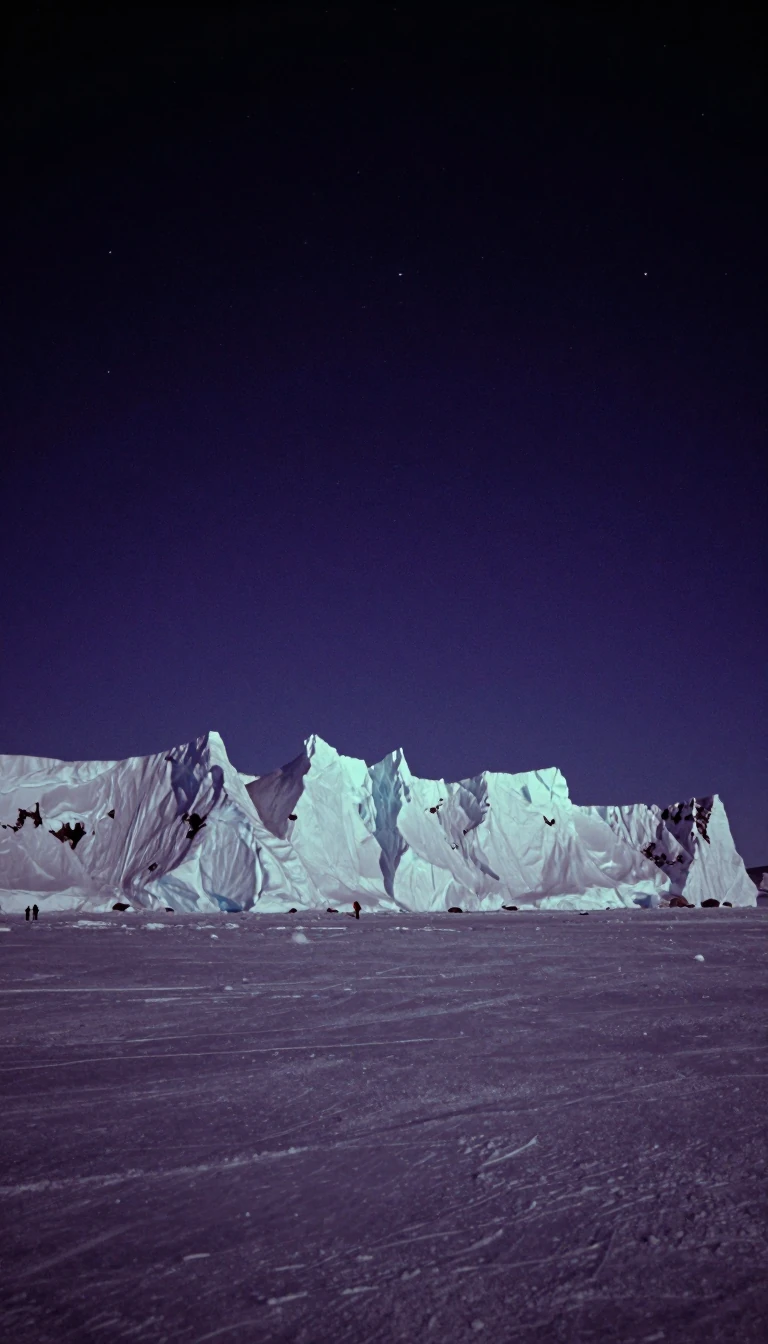
In short: The South Pole Telescope sits in an environment so harsh that researchers face biting temperatures and constant daylight. Yet, this frozen, dry landscape provides the clearest window into the cosmic microwave background—the ancient light emitted when the universe was just 380,000 years old, offering clues to its earliest origins.
Located at the Amundsen–Scott South Pole Station, the 33-foot South Pole Telescope (SPT) is a specialized instrument designed to peer back roughly 14 billion years. By observing the cosmic microwave background (CMB), researchers aim to decode the conditions of the primordial universe. This light, which originated from an intensely hot plasma, acts as a foundational pillar for modern cosmological models, helping scientists understand how the universe evolved and how the first stars formed.
The choice of Antarctica is deliberate. Water vapor in the atmosphere creates noise that obscures faint astronomical signals, but the South Pole’s extreme cold and high altitude ensure the air remains exceptionally dry. This stability allows the telescope to capture data with high precision. To detect the incredibly faint light of the CMB, the telescope uses superconducting detectors cooled to just above absolute zero—minus 459 degrees Fahrenheit. These sensors, which resemble a honeycomb, are essential for identifying the subtle patterns predicted by theories like cosmic inflation, which suggests the early universe underwent a period of rapid, massive expansion.
Since beginning operations in 2007, the SPT has discovered over 1,000 giant galaxy clusters and provided deep insights into dark energy. The project is a massive collaborative effort involving over 20 universities and research facilities, including Argonne National Laboratory. As the current survey concludes in 2024, the focus is already shifting toward the next generation of discovery. The upcoming CMB-S4 experiment will expand this work significantly, deploying 21 telescopes across the South Pole and the Chilean Atacama desert to survey the sky with an unprecedented array of 500,000 detectors.
Opens the Intellect+ feed with this card first. Swipe up for the next one.
Sources
- Summary by Intellect · source: The futuristic South Pole Telescope looks far back in time
- Also: South Pole Telescope
To cite this card, link to https://intellectplus.co.uk/app/space-south-pole-telescope.
How we source, check and correct cards: Editorial standards.
General information, not professional advice. Spotted an error? Flag the card or see corrections and complaints.
Intellect Plus is a visual educational discovery platform for exploring fascinating facts and ideas. Brain Food, Not Brain Rot. What is Intellect Plus?
Related
More in Astronomical technology · More in Space · Latest · A–Z · All topics
