The orbital tow truck: how space tugs are revolutionizing celestial logistics
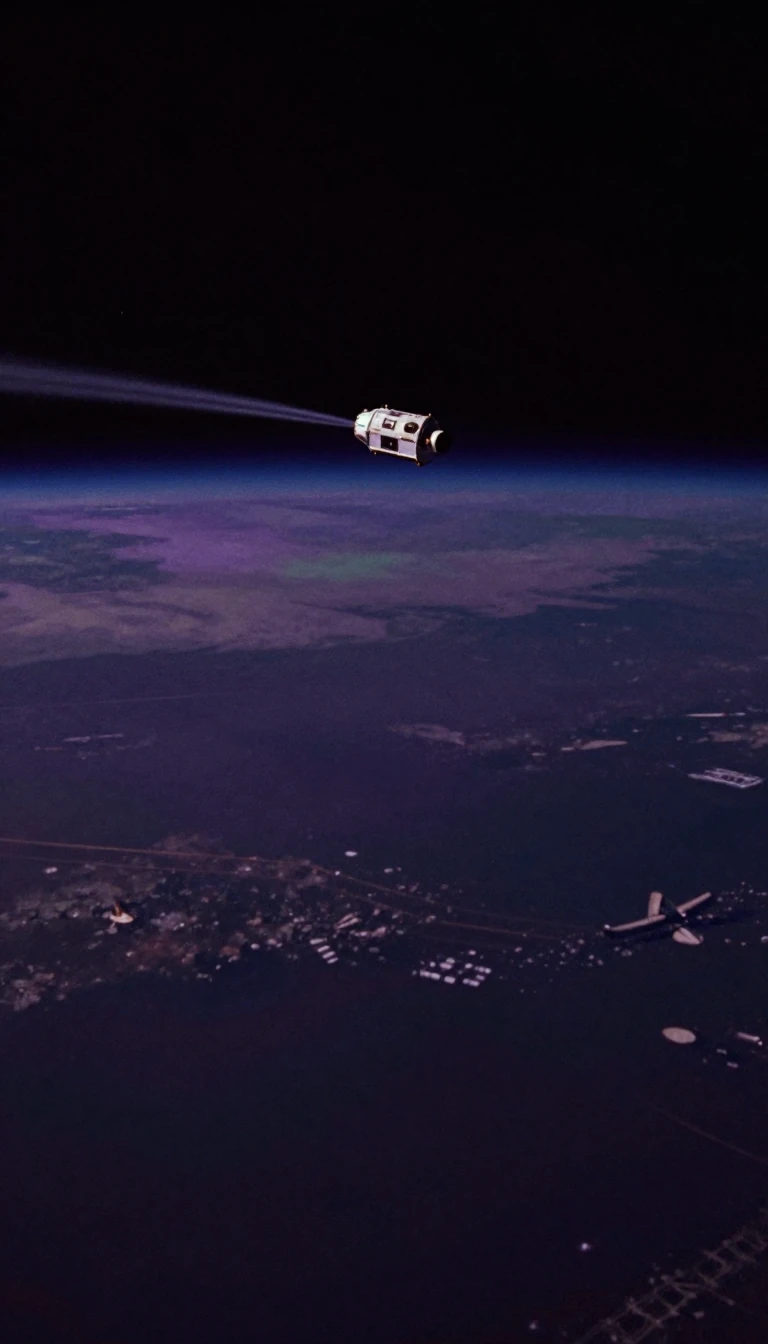
In short: Moving cargo in space is notoriously difficult because of the energy required to change orbits. Space tugs solve this by acting as orbital ferries, docking with satellites to refuel them, move them to new positions, or even deorbit them. They are turning the vacuum of space into a navigable highway.
Space tugs are versatile spacecraft designed to transfer cargo between orbits with different energy characteristics. While some are expendable upper stages—like the Fregat or Spaceflight Industries Sherpa—the term more commonly refers to reusable vehicles. These can range from small 'cubesat deployers' that push tiny satellites into specific orbits to large tugs capable of docking with massive satellites to perform complex maneuvers like refueling, repairs, or life-extension services.
Originating after World War II, this idea initially served as a means to maintain lasting space stations. In 1953, science fiction writer Murray Leinster even used the term in a novel. Decades later, NASA studied various designs, including the Orbital Maneuvering Vehicle (OMV) in 1984, intended to retrieve satellites like Hubble for repair. However, many of these ambitious projects, such as the 1970s Space Transportation System (STS) tug, were never funded due to budget cutbacks.
Today, the technology is moving from theory to reality. In 2020, the MEV-1 successfully docked with the Intelsat 901 satellite, returning it to geosynchronous orbit and extending its life by four years. Similarly, China's Shijian-21 demonstrated orbital debris mitigation by docking with a defunct Beidou-2 satellite. Private companies like D-Orbit, Momentus Space, and Impulse Space are now commercializing these capabilities, creating a logistics infrastructure that allows for more flexible and sustainable space exploration.
The mechanism of the tug is critical: it provides the 'delta-V' (change in velocity) necessary for orbital transitions. For example, the Long Duration Propulsive ESPA (LDPE) system can provide 400 meters per second of delta-V. By decoupling the energy requirements of reaching an orbit from the energy required to maneuver within it, space tugs enable a 'hub-and-spoke' model for satellite deployment and lunar logistics.
Opens the Intellect+ feed with this card first. Swipe up for the next one.
Sources
- Summary by Intellect · source: Space tug
To cite this card, link to https://intellectplus.co.uk/app/space-space-tug.
How we source, check and correct cards: Editorial standards.
General information, not professional advice. Spotted an error? Flag the card or see corrections and complaints.
Intellect Plus is a visual educational discovery platform for exploring fascinating facts and ideas. Brain Food, Not Brain Rot. What is Intellect Plus?
Related
More in Spacecraft · More in Space · Latest · A–Z · All topics
