Why the world's most luxurious dessert wine requires a race against the winter frost
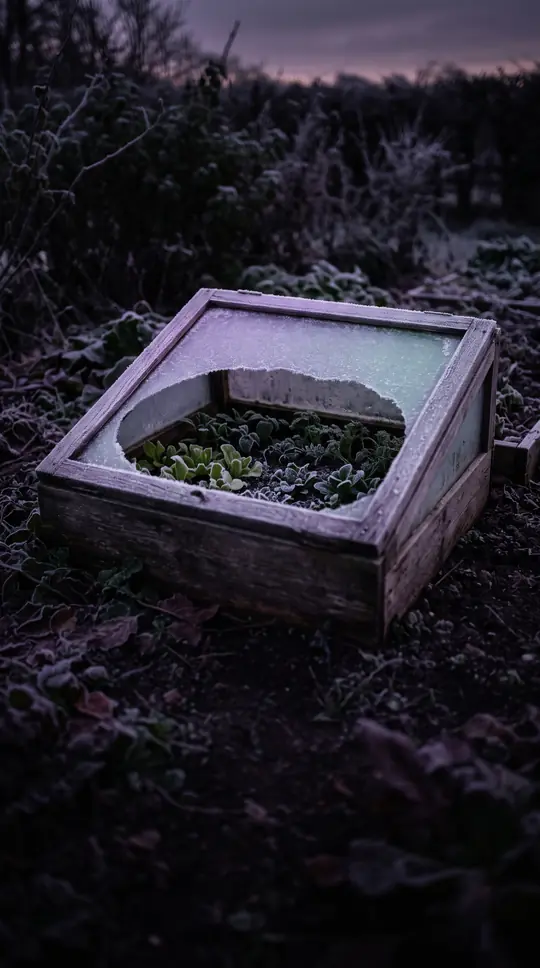
In short: Ice wine is a high-stakes gamble where vintners leave grapes on the vine long after the harvest, waiting for a deep freeze. This process concentrates sugars and acidity, creating a nectar-like intensity. But if the temperature fails to drop or the birds arrive first, the entire vintage is lost.
To produce true ice wine, grapes must remain on the vine until they freeze naturally at temperatures of at least -8 °C. This delay is perilous; the fruit is vulnerable to rot, wildlife, and the simple risk that a hard frost might never arrive. When the conditions finally align, the harvest must occur in a frantic, few-hour window before sunrise. If the grapes thaw, the ice crystals within them rupture the cell walls, causing the fruit to spoil almost instantly. This logistical nightmare, combined with the low yield of concentrated juice, explains why these bottles are among the most expensive in the world.
The chemistry behind the bottle is a form of natural fractional freezing. While water turns to ice, the sugars and dissolved solids remain liquid. Pressing the frozen clusters yields a small amount of exceptionally sweet, viscous must. Because this liquid is so sugar-dense, fermentation is sluggish, often requiring specialized yeast strains and months to complete. The final product is defined by a striking paradox: it possesses massive residual sugar levels, often reaching 220 grams per litre, yet remains refreshing rather than cloying due to a sharp, high acidity that balances the sweetness.
While Roman writers like Pliny the Elder hinted at frost-harvested grapes, the modern style emerged in Germany during the 19th century, often as a result of freak weather. It was not until the invention of the pneumatic bladder press that production became systematic. Today, Canada dominates the global market, particularly in Ontario, where consistent winters allow for larger-scale production than in Europe. Canadian standards are notably strict, requiring a minimum must weight of 35° Brix, which is significantly higher than the requirements for German Eiswein. This consistency helped Canadian producers, such as Inniskillin, secure international acclaim in 1991, cementing the country's status as the world's premier source for the style.
Opens the Intellect+ feed with this card first. Swipe up for the next one.
Sources
- Summary by Intellect · source: Ice wine
- Also: Wikidata — ice wine · CC0
To cite this card, link to https://intellectplus.co.uk/app/sport-ice-wine.
How we source, check and correct cards: Editorial standards.
General information, not professional advice. Spotted an error? Flag the card or see corrections and complaints.
Intellect Plus is a visual educational discovery platform for exploring fascinating facts and ideas. Brain Food, Not Brain Rot. What is Intellect Plus?
Related
More in Cricket · More in Sport & Games · Latest · A–Z · All topics
