The Maracanã: A Brazilian Colossus Built for Parrots, Pop Stars, and Football Legends
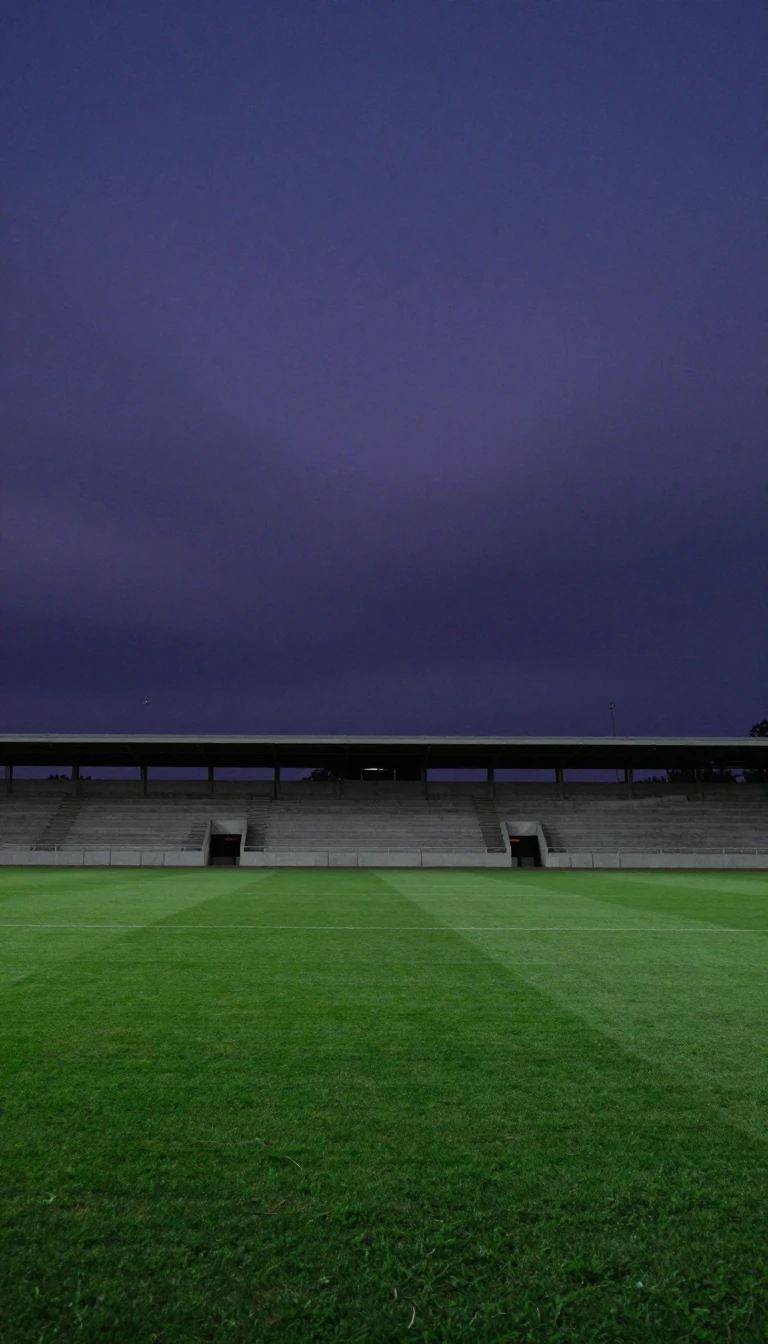
In short: Once the world's largest stadium, Rio de Janeiro's Maracanã has hosted everything from record-breaking football crowds and papal masses to legendary rock concerts. Though its capacity has shrunk from over 200,000 to a modern all-seater, the venue remains a central, often turbulent, icon of Brazilian national identity and sporting history.
Originally conceived to host the 1950 FIFA World Cup, the Maracanã was a massive undertaking that faced significant criticism over its location and expense. Construction began in 1948, but the project lagged behind schedule, requiring a frantic final push by a workforce of 3,500 to ensure it was ready for the tournament. When it opened in 1950, the stadium was still an unfinished site, lacking basic amenities like toilets and a press box. Despite this, it witnessed a historic, traumatic moment for Brazil: a 2-1 loss to Uruguay in the deciding match, a defeat so profound it became known as the Maracanazo.
The stadium's name is as storied as its matches. While officially named after sports journalist Mário Filho in 1966, it is popularly known as Maracanã, a Tupi word for a local parrot species. The venue has undergone several major transformations, most notably its conversion into an all-seater stadium following a 1992 tragedy where a railing collapse killed three spectators. Subsequent renovations for the 2014 World Cup and 2016 Olympics modernized the structure, replacing the original concrete roof with a membrane and reducing capacity to 73,139 to meet contemporary safety standards.
Beyond football, the Maracanã has served as a cultural stage. It has hosted massive concerts by artists like Frank Sinatra, Kiss, and Tina Turner, and even served as a site for papal masses. However, the venue has also faced periods of severe neglect. Following the 2016 Olympics, the stadium fell into disrepair, suffering from looting and power cuts, highlighting the complex legal and maintenance challenges of managing such a colossal landmark. Today, it remains a vital, if contested, symbol of Rio, managed by the clubs Flamengo and Fluminense.
Opens the Intellect+ feed with this card first. Swipe up for the next one.
Sources
- Summary by Intellect · source: Maracanã Stadium
- Also: Wikidata — Maracanã Stadium · CC0
To cite this card, link to https://intellectplus.co.uk/app/sport-maracan-stadium.
How we source, check and correct cards: Editorial standards.
General information, not professional advice. Spotted an error? Flag the card or see corrections and complaints.
Intellect Plus is a visual educational discovery platform for exploring fascinating facts and ideas. Brain Food, Not Brain Rot. What is Intellect Plus?
Related
More in Sports organizations · More in Sport & Games · Latest · A–Z · All topics
