Why Japan’s iconic rice cake is a masterpiece of starch chemistry and tradition
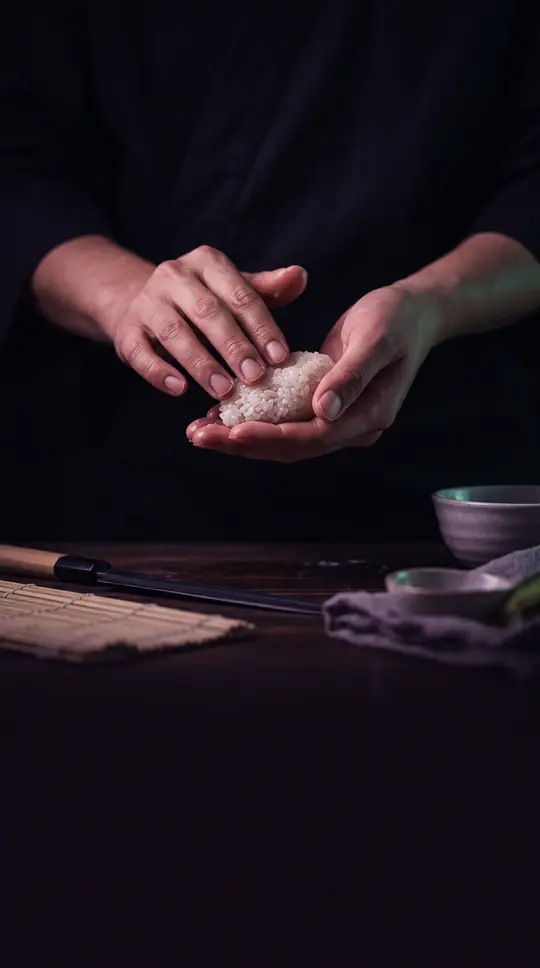
In short: Mochi is more than a seasonal treat; it is a complex gel of amylopectin and water. From ancient spiritual rituals to modern industrial assembly lines, this glutinous rice cake has evolved through centuries of cultural significance. Discover the science behind its unique texture and its deep roots in Japanese history.
Mochi is fundamentally a product of starch composition. Unlike standard rice, the glutinous japonica rice used for mochi is nearly 100% amylopectin, a branched polysaccharide that lacks the linear amylose found in common grains. This high amylopectin content makes the rice exceptionally hygroscopic, allowing it to swell significantly when heated with water. The resulting gel-like consistency is the defining characteristic of the treat, a quality that is genetically controlled by the 'waxy' gene in selectively bred rice varieties.
Historically, mochi was a spiritual and social anchor in Japan. Archaeological evidence suggests its production surged in the 6th century with the spread of earthenware steamers. By the Heian period, it had become a fixture of Shinto ceremonies, used in rites for childbirth and marriage. Legends from the 8th century even attributed spiritual power to round white mochi, while the samurai class later developed the tradition of kagami mochi—stacked spheres decorated with armor—to pray for family prosperity during the New Year.
The transition from a ceremonial food to a mass-produced confection involved significant technological shifts. Originally made without sweeteners, mochi began incorporating sugar in the 17th century following Portuguese influence. Today, industrial production relies on precise temperature control, with research indicating that 62 °C (144 °F) is the critical threshold for proper gelatinization. Whether crafted through the traditional, labor-intensive mochitsuki ceremony involving wooden mallets or via modern automated machinery, the goal remains the same: achieving the perfect balance of tensile strength and chewiness.
Beyond its cultural weight, mochi is a versatile culinary canvas. It is naturally gluten-free and cholesterol-free, serving as a base for diverse seasonal variations like the spring-time sakuramochi or the Girls' Day hishi mochi. While it can be frozen for up to a year, the delicate nature of its starch structure means it remains a food that demands careful handling, from the rhythm of the pounders to the precise moisture levels required for mass-market appeal.
Opens the Intellect+ feed with this card first. Swipe up for the next one.
Sources
- Summary by Intellect · source: Mochi
- Also: Wikidata — Mochi · CC0
- Also: Wikidata — mochi · CC0
To cite this card, link to https://intellectplus.co.uk/app/sport-mochi.
How we source, check and correct cards: Editorial standards.
General information, not professional advice. Spotted an error? Flag the card or see corrections and complaints.
Intellect Plus is a visual educational discovery platform for exploring fascinating facts and ideas. Brain Food, Not Brain Rot. What is Intellect Plus?
Related
More in Sports and recreation · More in Sport & Games · Latest · A–Z · All topics
