The ancient Japanese rice ball that evolved from a survival ration to modern convenience
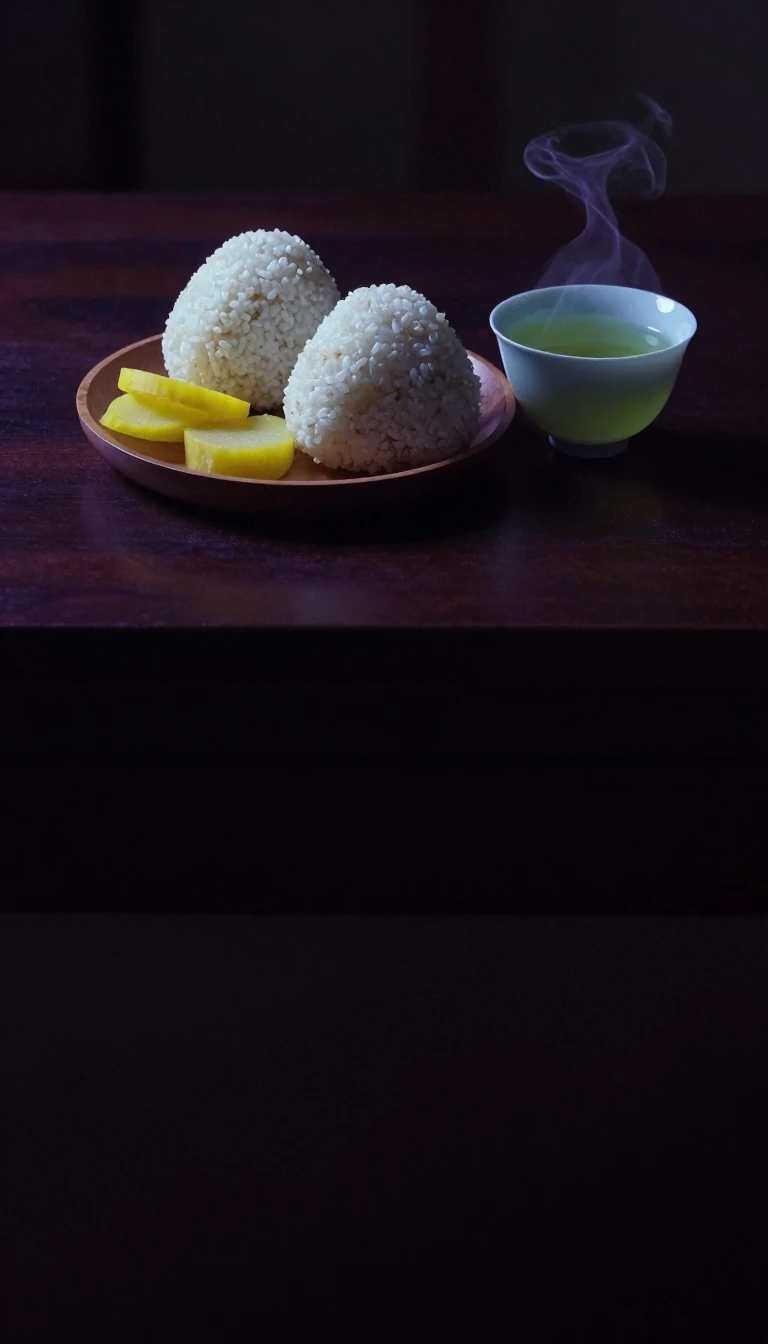
In short: Long before convenience stores, onigiri served as a portable, salt-preserved meal for samurai and travelers. While often mistaken for sushi, these rice balls are a distinct culinary tradition. From carbonized relics found in ancient ruins to modern, moisture-proof packaging, the humble rice ball remains a staple of Japanese food culture.
The history of onigiri stretches back at least 2,000 years, evidenced by carbonized rice lumps discovered in the Sugitani Chanobatake Ruins. Initially documented as the oldest known rice ball, these artifacts were likely steamed and grilled rather than boiled. By the Nara period, before chopsticks were common, rice was formed into small balls for easy handling. During the Heian period, these evolved into rectangular shapes called tonjiki, which were frequently enjoyed at outdoor picnics. Even the 11th-century writer Murasaki Shikibu noted people consuming these portable meals in her diary.
While modern onigiri are often wrapped in nori, this practice did not become widespread until the Genroku era between 1688 and 1704, when nori farming and sheet production matured. Before this, onigiri were primarily simple balls of salted rice. The transition to a mass-produced convenience item accelerated in the 1980s with the invention of machines that could shape triangular rice balls and inject fillings. This innovation led to the development of specialized packaging that keeps the nori crisp by separating it from the rice until the moment of consumption, using a plastic barrier that is pulled away by the diner.
It is a common misconception that onigiri is a form of sushi. The distinction is fundamental: sushi relies on rice seasoned with vinegar, sugar, and salt, whereas onigiri uses plain or lightly salted rice. The primary purpose of onigiri has historically been the preservation and portability of rice, whereas sushi originated as a method for preserving fish. Today, the dish has transcended its origins as a simple survival food, appearing in everything from high-end izakayas to global convenience store chains, and has even inspired variations like the 'not-pressed' onigirazu, which gained massive popularity online in 2014.
The cultural footprint of onigiri extends to Shinto tradition, notably at Tokyo's Takagi Shrine, which is associated with the deity Takami-Musubi and the concept of en-musubi, linking the creation of rice balls to broader themes of birth and connection. Whether grilled as yaki-onigiri, fried as age-onigiri, or filled with everything from salted salmon to mayonnaise-dressed tuna, the onigiri remains a versatile testament to the efficiency of Japanese culinary design.
Opens the Intellect+ feed with this card first. Swipe up for the next one.
Sources
- Summary by Intellect · source: Onigiri
- Also: Wikidata — onigiri · CC0
- Also: Wikidata — Onigiri · CC0
To cite this card, link to https://intellectplus.co.uk/app/places-onigiri.
How we source, check and correct cards: Editorial standards.
General information, not professional advice. Spotted an error? Flag the card or see corrections and complaints.
Intellect Plus is a visual educational discovery platform for exploring fascinating facts and ideas. Brain Food, Not Brain Rot. What is Intellect Plus?
Related
More in Countries and other regions · More in Countries & Cities · Latest · A–Z · All topics
