The nutritional mission behind Japan's most iconic rice seasoning
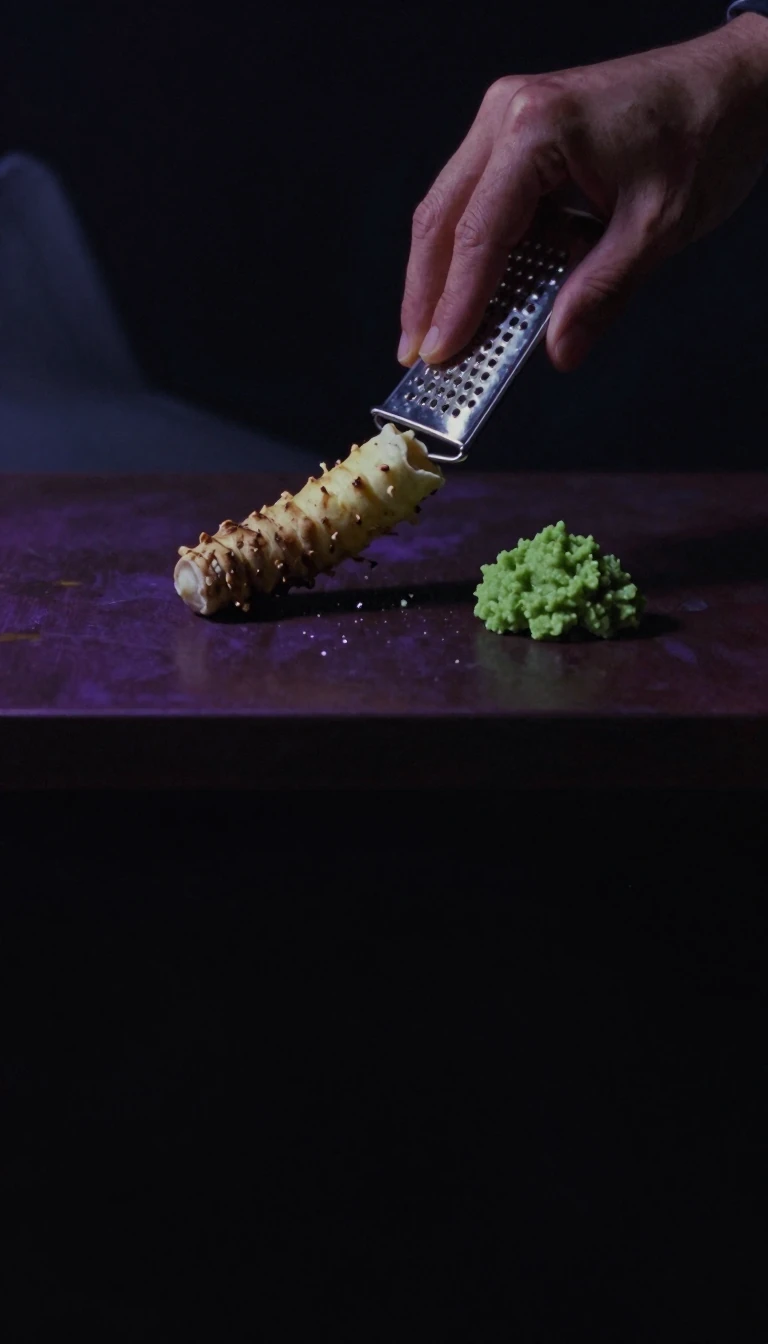
In short: More than just a tasty sprinkle, furikake began as a targeted solution to widespread malnutrition. From 13th-century garnishes to medicinal powders designed to combat calcium deficiency, the evolution of this savory condiment reflects Japan's changing social and economic landscape.
While the term 'furikake' became established in the 1950s, the practice of seasoning rice with dried marine and agricultural products has deep roots. A 13th-century culinary text, 'Chujiruiki', describes garnishes of shredded red seabream, salmon, and shark meat. By 1536, the 'Diary of Ishiyama Hongan-ji' recorded the use of gomashio—a mixture of roasted sesame and salt—on red bean rice. Other historical variations included denbu, a 17th-century preparation of bonito flakes boiled in soy sauce and sake. Even the savory tsukudani, made by simmering ingredients in soy sauce, shares a functional similarity with modern seasonings.
The modern era of furikake, however, was driven by public health. During the Taishō period (1912–1926), a pharmacist in Kumamoto named Suekichi Yoshimaru developed 'Gohan no Tomo'. This mixture of ground fish bones, sesame, poppy seeds, and seaweed was specifically engineered to address calcium deficiencies in the Japanese population. Other early 20th-century developments included 'Travel Friend' in 1916, created by Tanaka Foods as a nutritional supplement for the military. A 1927 innovation by Seiichirō Kai in Fukushima City used silver white croaker and kelp to create the popular 'Kore Wa Umai'. This product was initially a luxury for the wealthy before reaching the broader population.
The industry underwent a massive shift after September 1948, when Nissin Foods began large-scale manufacturing to combat pervasive malnourishment. What was once a luxury item for those who could afford white rice eventually became accessible to the working class. In 1959, Marumiya Foods introduced 'Noritama', a sweetened egg variety that transformed the product into a staple for children. By the 1980s, the market bifurcated: while furikake became strongly associated with children, brands like Nagatanien introduced 'furikake for adults' in 1989, featuring more pungent flavors like wasabi and bonito. Mishima Shokuhin later expanded the variety in 1970 with 'Yukari', a product utilizing red shiso. Today, the market remains competitive, with Marumiya holding a significant share of the large-bag market.
Opens the Intellect+ feed with this card first. Swipe up for the next one.
Sources
- Summary by Intellect · source: Furikake
- Also: Wikidata — furikake · CC0
To cite this card, link to https://intellectplus.co.uk/app/places-furikake.
How we source, check and correct cards: Editorial standards.
General information, not professional advice. Spotted an error? Flag the card or see corrections and complaints.
Intellect Plus is a visual educational discovery platform for exploring fascinating facts and ideas. Brain Food, Not Brain Rot. What is Intellect Plus?
Related
More in Countries and other regions · More in Countries & Cities · Latest · A–Z · All topics
