Why the world's longest railway platform is over 1,500 metres of concrete and steel
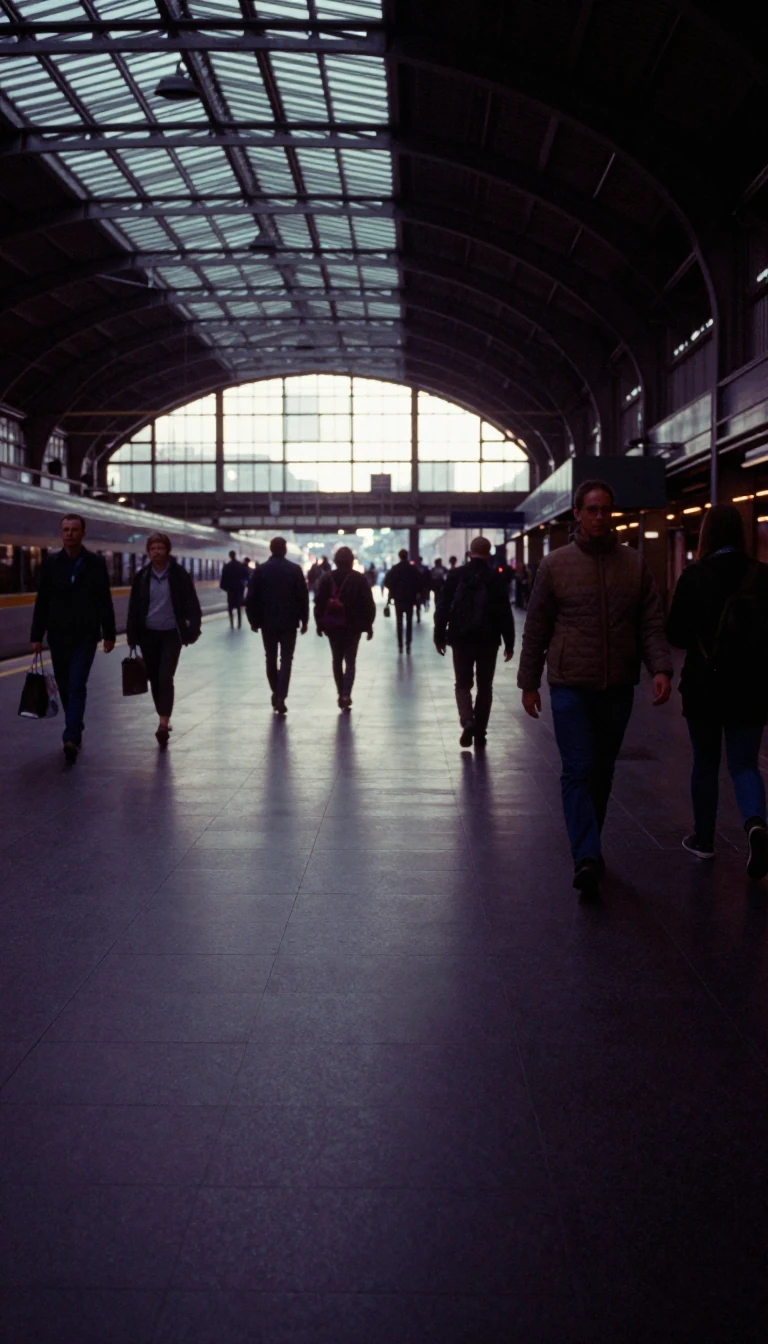
In short: A railway platform is more than just a waiting area. It is a complex piece of infrastructure designed to manage passenger safety, aerodynamic forces, and the physical gaps between trains and stations. From simple concrete slabs to high-tech screen doors, these structures are vital to modern rail travel.
At its most basic, a platform provides access to trains, but its design is dictated by strict engineering requirements. Platforms must conform to both loading and structure gauges, ensuring that trains can pass safely without collision. While traditional platforms are elevated to match train floor heights, many stations face challenges with varying vehicle designs, leading to dual-height platforms or even the use of moveable gap fillers to bridge the space between the platform edge and the train carriage.
Safety is the primary driver of platform evolution, particularly as train speeds increase. Aerodynamic effects from trains passing at 240 kilometres per hour can create dangerous airflow speeds up to 116 kilometres per hour for passengers standing just one metre from the edge. To mitigate these risks, authorities implement yellow-line buffer zones, tactile warning strips, and, in some cases, total access restrictions for high-speed lines. Modern innovations like platform screen doors, seen in systems like the Hong Kong MTR, further enhance safety while improving climate control efficiency.
The terminology and layout of platforms vary globally, reflecting different operational philosophies. In the United States, the term often refers to the physical structure, while the arrival point is called a track. Conversely, in the UK and Commonwealth countries, the platform itself is the primary identifier, with island platforms often receiving two distinct numbers. Regardless of naming conventions, the physical scale can be immense; the world's longest platform at Hubballi Junction in India stretches 1,507 metres, a stark contrast to minimal stations that may only accommodate a single bench.
Beyond mere boarding, platforms serve as hubs for passenger information and security. They are equipped with public address systems, dynamic displays, and sometimes dedicated railway security officers. Whether constructed from pre-cast concrete or glass-reinforced polymer, these structures are engineered with slight upward slopes to prevent wheeled objects from rolling onto the tracks, ensuring that the platform remains a safe interface between the passenger and the train.
Opens the Intellect+ feed with this card first. Swipe up for the next one.
Sources
- Summary by Intellect · source: Railway platform
- Also: Wikidata — railway platform · CC0
- Also: Wikidata — Railway Platform · CC0
To cite this card, link to https://intellectplus.co.uk/app/sport-railway-platform.
How we source, check and correct cards: Editorial standards.
General information, not professional advice. Spotted an error? Flag the card or see corrections and complaints.
Intellect Plus is a visual educational discovery platform for exploring fascinating facts and ideas. Brain Food, Not Brain Rot. What is Intellect Plus?
Related
More in Ground transport · More in Sport & Games · Latest · A–Z · All topics
