From the Black Forest to the Ends of the Earth: The Evolution of Ski Lifts
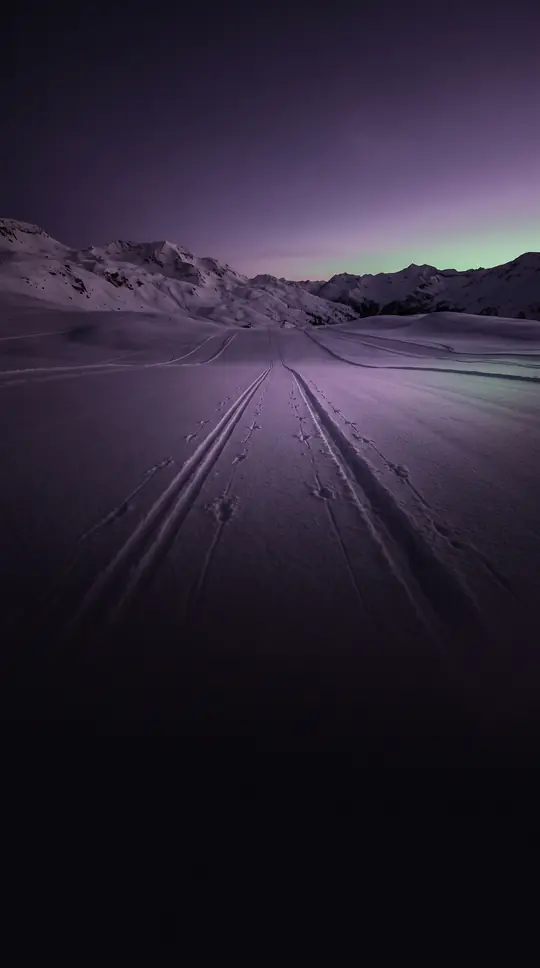
In short: The humble ski lift has transformed mountain access, evolving from a simple 1908 invention in the German Black Forest into a global network of aerial and surface transport. Whether you are gliding on a magic carpet or suspended on a bicable ropeway, these mechanisms are the backbone of modern resort skiing.
The history of mechanized mountain transport began in 1908 when Robert Winterhalder constructed the first ski lift in Schollach/Eisenbach, located in the Hochschwarzwald region of Germany. This initial innovation paved the way for a diverse array of technologies designed to ferry skiers up slopes, ranging from surface-level solutions like rope tows, T-bars, and magic carpets to sophisticated aerial systems that keep passengers suspended entirely off the ground.
Aerial lifts often utilize bicable ropeway technology, a design where two distinct cables perform separate functions: one cable supports the weight of the carriage, while the other provides the pulling force. These systems have proliferated globally, appearing in extreme environments that span the globe. The northernmost installation is found on Spitsbergen, Norway, while the southernmost lift operates near Ushuaia, Argentina. Near the equator, lift technology reaches its geographic limits in Liang, China, for the northern hemisphere, and Mahlasela, Lesotho, for the southern hemisphere.
While traditional lifts remain the standard for resort access, the industry also incorporates specialized alternatives for backcountry enthusiasts. Heliskiing and snowcat skiing offer guided access to terrain beyond the reach of standard infrastructure. While cat skiing is generally more expensive than a standard lift ticket, it remains significantly more affordable than the high cost of helicopter transport. These guided experiences, sometimes even required at extreme venues like Silverton Mountain, highlight the ongoing tension between the convenience of lift-served skiing and the desire for remote, uncrowded terrain.
The development of these systems is supported by specialized manufacturers, such as the American firm Ski Lift International, which focuses on the production of aerial lift technology. As the sport continues to expand into diverse climates and topographies, the engineering behind these transport devices remains a critical component of the skiing experience, balancing the need for safety and efficiency with the logistical challenges of operating in high-altitude and remote environments.
Opens the Intellect+ feed with this card first. Swipe up for the next one.
Sources
- Summary by Intellect · source: Ski lift
- Also: Ski Lift International
- Also: Wikidata — ski lift · CC0
To cite this card, link to https://intellectplus.co.uk/app/sport-ski-lift.
How we source, check and correct cards: Editorial standards.
General information, not professional advice. Spotted an error? Flag the card or see corrections and complaints.
Intellect Plus is a visual educational discovery platform for exploring fascinating facts and ideas. Brain Food, Not Brain Rot. What is Intellect Plus?
Related
More in Ground transport · More in Sport & Games · Latest · A–Z · All topics
