Before the railway age, stagecoaches transformed travel through engineering, speed, and postal innovation
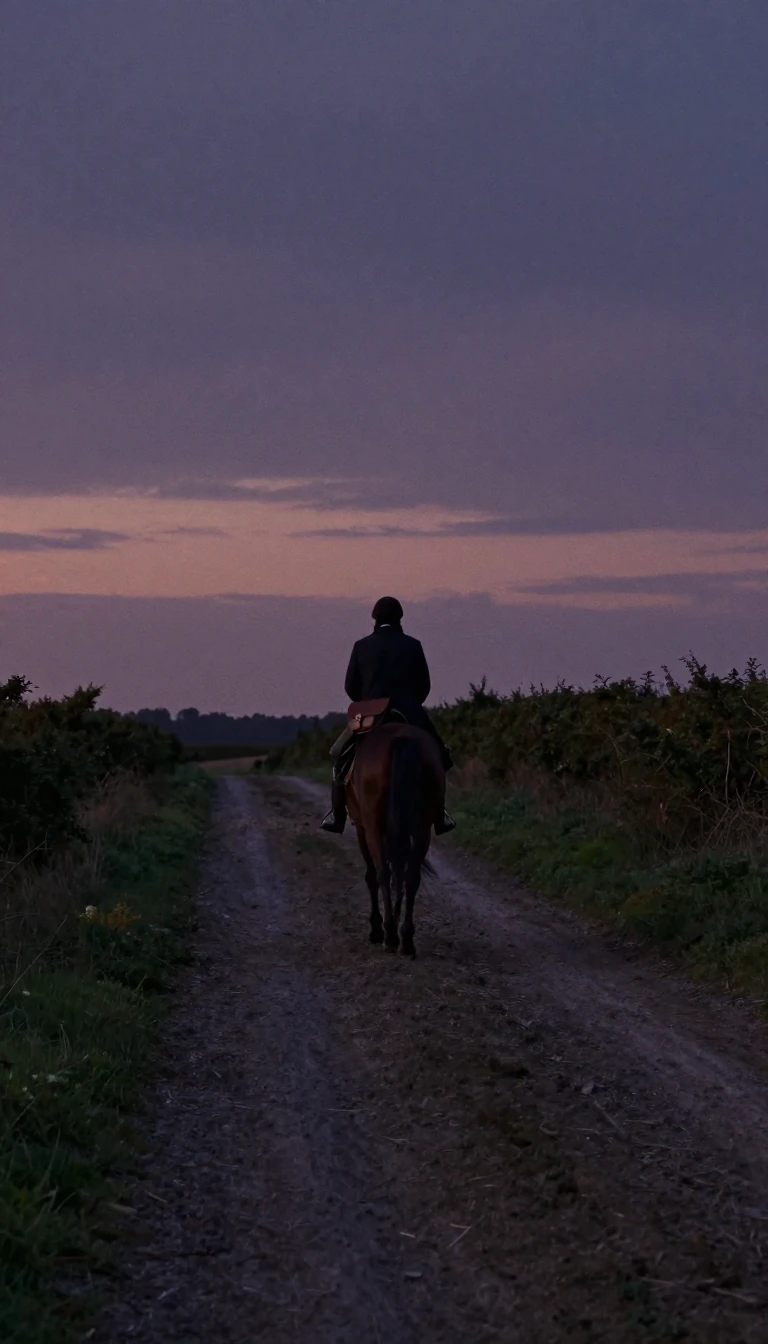
In short: Long before steam engines, the stagecoach was the primary engine of public mobility. By replacing tired horses at frequent relay stations, these four-wheeled vehicles connected distant cities on regular schedules. From the early 17th century to the rise of rail, they evolved from crude wagons into sophisticated, spring-suspended machines.
The stagecoach system relied on a network of coaching inns and relay posts where fresh horses replaced exhausted teams. This infrastructure allowed for consistent, scheduled travel across long distances. While early 17th-century routes were slow and often criticized as disruptive to trade, the 18th century brought significant improvements. The turnpike system, better road engineering, and the introduction of steel spring suspensions transformed the passenger experience, increasing both comfort and speed.
A pivotal shift occurred in 1784 when John Palmer revolutionized British mail delivery. By adapting the efficient 'flying' stagecoach model, he replaced the slow, vulnerable system of mounted carriers. His experimental run from Bristol to London cut travel time from 38 hours to just 16. This success led to a rapid expansion of routes across Britain, managed by the Post Office, and established a standard for speed that persisted until the 1830s.
The industry faced intense regulation and taxation, particularly regarding passenger capacity. Operators were heavily taxed on seat numbers, leading to strict enforcement and the rise of informers who profited from reporting violations. Despite these burdens, competition between operators drove innovation, such as the improved turning and braking systems developed by John Besant in the 1790s. By the mid-19th century, however, the expansion of railway networks rendered the stagecoach largely obsolete for commercial transport.
While stagecoaches faded from daily utility, they experienced a late-Victorian revival as a sporting pursuit. Wealthy amateur 'gentlemen-coachmen' began building 'Park Drags'—lighter, sportier versions of the traditional coach—for competitive driving and social display. This transition from essential public infrastructure to a nostalgic, recreational activity marked the final chapter of the stagecoach era before the eventual arrival of the autobus.
Opens the Intellect+ feed with this card first. Swipe up for the next one.
Sources
- Summary by Intellect · source: Stagecoach
- Also: Wikidata — stagecoach · CC0
To cite this card, link to https://intellectplus.co.uk/app/sport-stagecoach.
How we source, check and correct cards: Editorial standards.
General information, not professional advice. Spotted an error? Flag the card or see corrections and complaints.
Intellect Plus is a visual educational discovery platform for exploring fascinating facts and ideas. Brain Food, Not Brain Rot. What is Intellect Plus?
Related
More in Ground transport · More in Sport & Games · Latest · A–Z · All topics
