How Taipei transformed a traffic-choked capital into a world-class transit hub
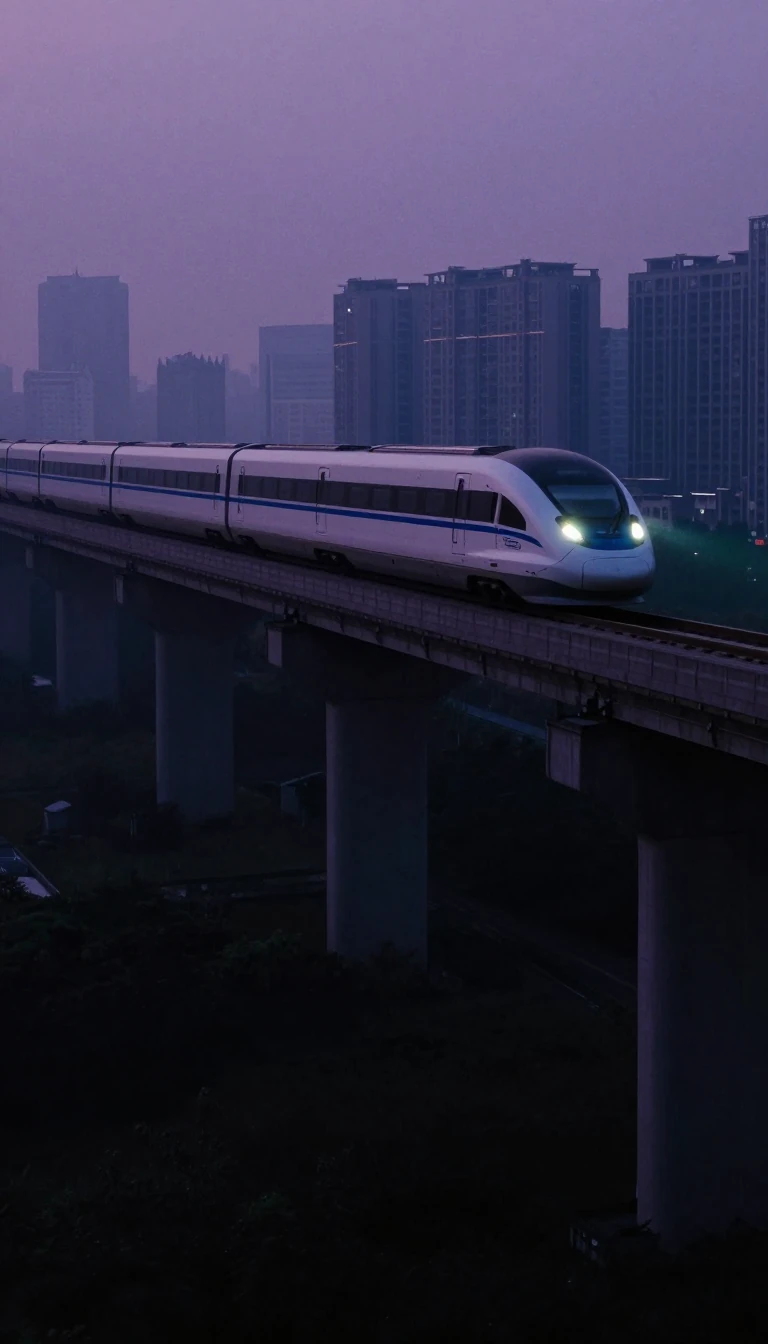
In short: Once dubbed the dark age of Taipei traffic, the city’s rapid transit system evolved from a shelved 1968 proposal into a sprawling network. Today, it serves millions daily, integrating advanced safety technology, public art, and underground shopping malls to redefine urban mobility in one of Asia’s most densely populated regions.
The Taipei Metro, or MRT, began as a response to the rapid economic growth and worsening congestion of the 1970s. Although initial plans were drafted in 1977, construction did not begin until 1988, following years of feasibility studies and international consultation. The early years were marked by political controversy and public frustration, as road closures for construction created severe gridlock. When the first line finally opened in 1996, it faced immediate technical hurdles, including computer malfunctions and budget concerns.
Despite these early challenges, the system expanded rapidly. By 2000, it operated 62 stations, and by 2008, the network had grown to 131 stations. The system is designed around a spoke-hub paradigm, with lines radiating from the city center. It utilizes a mix of high-capacity lines and medium-capacity lines, such as the driverless Wenhu line. Safety is maintained through sophisticated infrastructure, including track intrusion detection systems and platform screen doors, which were installed across all stations by 2018.
Beyond transportation, the MRT serves as a cultural and commercial anchor. Many stations feature public art, ranging from interactive installations to murals, and some even house archaeological museums. The system also manages extensive underground shopping malls, creating a seamless transition between transit and urban life. With daily ridership exceeding two million, the MRT continues to adapt, recently updating its announcement systems to include Japanese and Korean to accommodate the city's growing international tourism.
The network is also notable for its commitment to accessibility and innovation. Every station is designed to be obstacle-free, featuring tactile paths and elevators. As the system looks toward the future, it is phasing out older turnstiles in favor of contactless and mobile payment technologies, ensuring that the infrastructure remains as dynamic as the city it serves.
Opens the Intellect+ feed with this card first. Swipe up for the next one.
Sources
- Summary by Intellect · source: Taipei Metro
- Also: Wikidata — Taipei Metro · CC0
To cite this card, link to https://intellectplus.co.uk/app/sport-taipei-metro.
How we source, check and correct cards: Editorial standards.
General information, not professional advice. Spotted an error? Flag the card or see corrections and complaints.
Intellect Plus is a visual educational discovery platform for exploring fascinating facts and ideas. Brain Food, Not Brain Rot. What is Intellect Plus?
Related
More in Specific transportation systems · More in Sport & Games · Latest · A–Z · All topics
