Why Tokyo operates two separate, overlapping subway networks that rarely share a ticket gate.
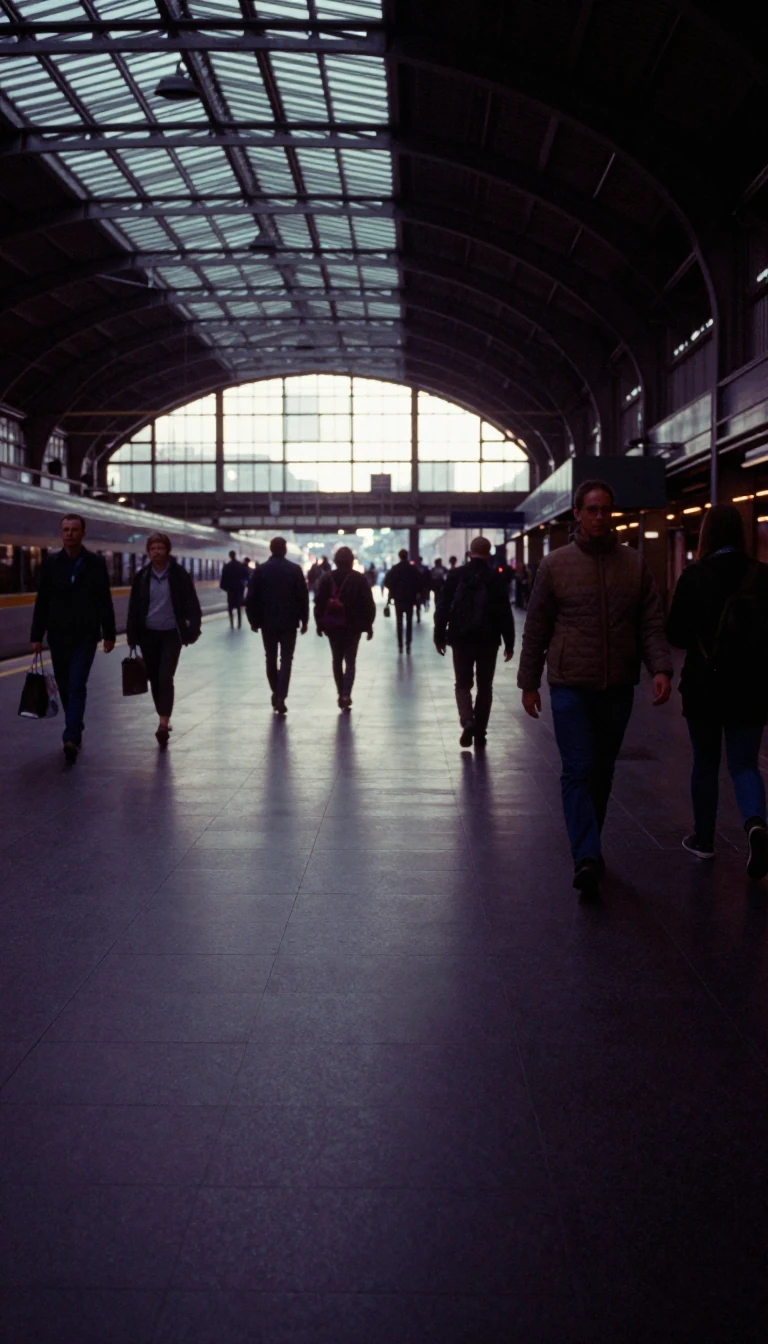
In short: Tokyo is served by two distinct subway operators: the Toei Subway and the Tokyo Metro. Despite their shared design language and complementary routes, they remain separate systems. Navigating between them often requires a second ticket, a quirk of history that reflects the city's complex, multi-layered approach to urban transit development.
The Toei Subway, managed by the Tokyo Metropolitan Bureau of Transportation, was born out of necessity. In the 1950s, Tokyo's post-war economic boom overwhelmed existing infrastructure, including the tram system and the Teito Rapid Transit Authority (TRTA). While the city had envisioned a municipal subway network as early as 1920, the Great Kantō Earthquake and subsequent public debt stalled these plans for decades. It was not until 1958 that the city finally began constructing its own lines, eventually launching the Asakusa Line in 1960.
Today, the Toei Subway and Tokyo Metro operate as independent entities. This separation is most visible in their ticketing; regular passengers must buy a new ticket to transfer between the two networks. There are rare exceptions, such as at Kudanshita or the shared platforms between the Mita and Namboku lines, where passengers can switch without passing through a gate. This duality stems from the fact that Toei lines were originally licensed to the TRTA before being transferred to the city, creating a fragmented administrative landscape.
The system is also a technical outlier. It is one of only two rapid transit networks globally to operate on three different track gauges, a necessity driven by the need to accommodate through-services with private suburban railways. While the system struggled with high construction costs for most of its history—particularly the Oedo Line—it has since achieved profitability, reporting a net profit of ¥3.13 billion in fiscal year 2006 and ¥12.2 billion in 2009. With 109 kilometers of track and 99 unique stations, it remains a vital, if administratively distinct, pillar of Tokyo's transit.
Opens the Intellect+ feed with this card first. Swipe up for the next one.
Sources
- Summary by Intellect · source: Toei Subway
- Also: Wikidata — Toei Subway · CC0
- Also: Wikidata — Tokyu Railways, Tokyo Metro and Toei Subway Meguro Station · CC0
To cite this card, link to https://intellectplus.co.uk/app/sport-toei-subway.
How we source, check and correct cards: Editorial standards.
General information, not professional advice. Spotted an error? Flag the card or see corrections and complaints.
Intellect Plus is a visual educational discovery platform for exploring fascinating facts and ideas. Brain Food, Not Brain Rot. What is Intellect Plus?
Related
More in Specific transportation systems · More in Sport & Games · Latest · A–Z · All topics
