Tokyo's busiest subway line was a century-long struggle to connect east and west
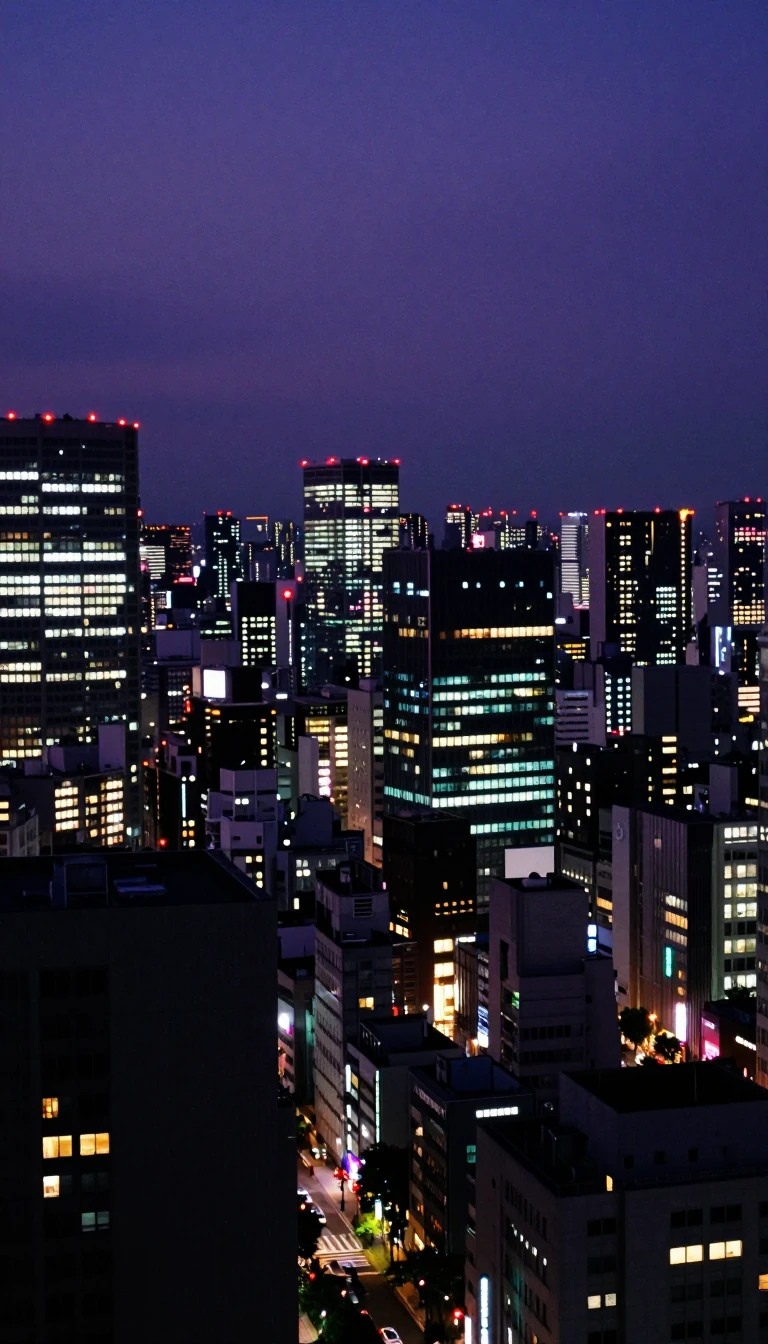
In short: The Tōzai Line is the most crowded train route in Japan, carrying nearly 1.5 million passengers daily. Despite its current status as a vital urban artery, the line faced decades of bureaucratic delays, financial crises, and revoked construction licenses before finally opening in the 1960s to relieve massive regional congestion.
The origins of the Tōzai Line trace back to a 1917 government committee report that proposed a crosstown route through central Tokyo. Although a construction patent was granted in 1920, the project was derailed by the 1923 Great Kantō Earthquake. Subsequent efforts by the Tokyo municipal government to build the line were repeatedly blocked by the Ministry of Finance due to concerns over public debt. It was not until 1962 that a new transportation review committee officially prioritized the route as Line 5, intending it to serve as a high-capacity bypass for the heavily congested Sōbu Main Line.
Construction proceeded in stages, with the first section opening in 1964 and the full line completed by 1969. A defining feature of the Tōzai Line is its pioneering through-service agreement with the Japanese National Railways, which allowed trains to run directly onto the Chūō and Sōbu lines. This integration remains rare among Tokyo subway lines. Today, the line stretches from Nakano to Nishi-Funabashi, with nearly half of its route running above ground—the longest such stretch in the Tokyo subway network.
Despite its expansion, the line remains chronically overcrowded. In 2018, peak ridership reached 199% of capacity between Kiba and Monzen-Nakachō stations. While the COVID-19 pandemic temporarily reduced this to 123% in 2020, the line continues to struggle with high demand driven by rapid residential development in eastern Tokyo and its seamless connectivity to other transit networks. To manage this, the operator has implemented various strategies over the decades, including the introduction of rapid services in 1969 and women-only cars during morning rush hours starting in 2006.
Opens the Intellect+ feed with this card first. Swipe up for the next one.
Sources
- Summary by Intellect · source: Tōzai Line (Tokyo Metro)
To cite this card, link to https://intellectplus.co.uk/app/society-t-zai-line-tokyo-metro.
How we source, check and correct cards: Editorial standards.
General information, not professional advice. Spotted an error? Flag the card or see corrections and complaints.
Intellect Plus is a visual educational discovery platform for exploring fascinating facts and ideas. Brain Food, Not Brain Rot. What is Intellect Plus?
Related
More in Railways · More in Society · Latest · A–Z · All topics
