The monk-made liqueur that was actually a clever 19th-century marketing invention
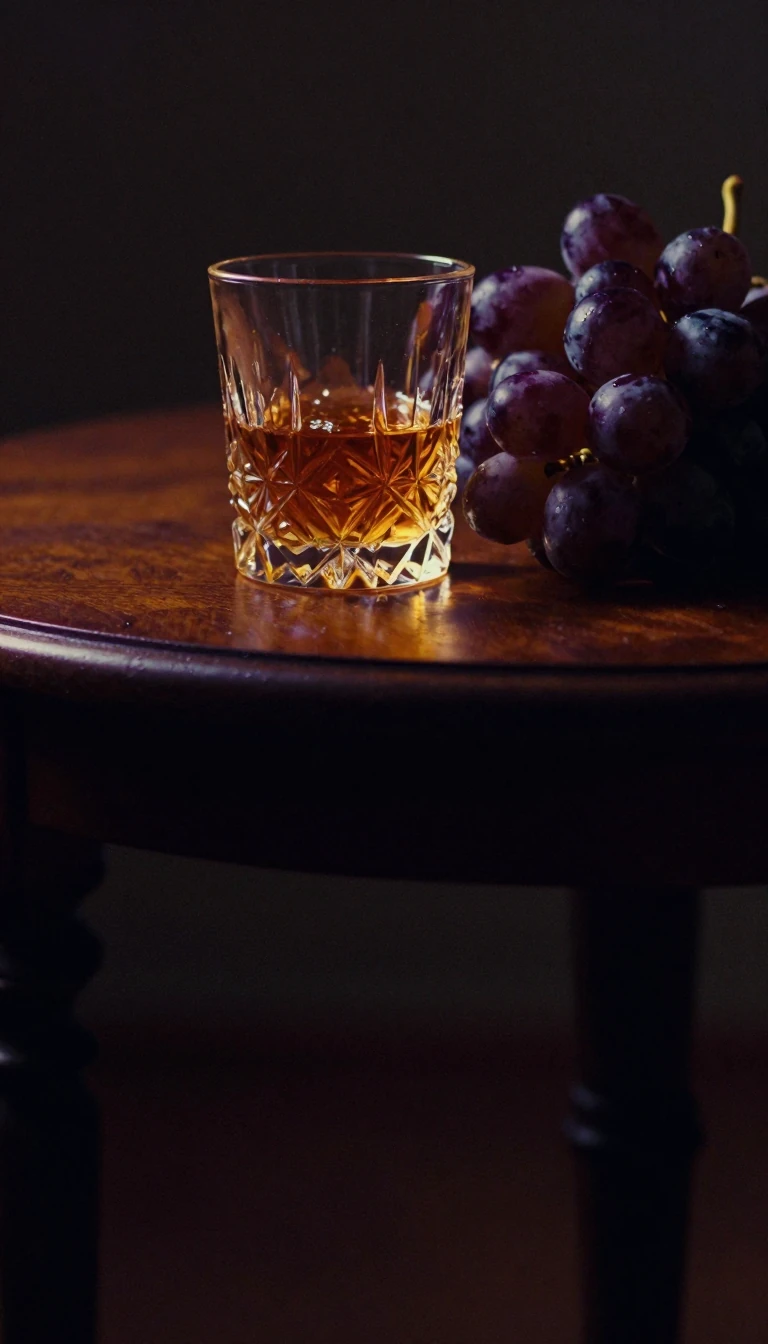
In short: Bénédictine is famous for its supposed monastic origins, but the truth is far more commercial. Developed by a wine merchant in 1863, the drink relies on a carefully crafted myth to sell its complex blend of twenty-seven botanicals. Discover how a marketing master turned a secret recipe into global success.
In 1863, Alexandre Le Grand, a French wine merchant, created Bénédictine after acquiring old medicinal formulas from a religious foundation. To give his new product an air of historical prestige, Le Grand fabricated a narrative claiming the liqueur was originally crafted by monks at the Benedictine Abbey of Fécamp. He even included the abbreviation D.O.M.—standing for Deo Optimo Maximo—on the labels to suggest a connection to the Benedictine Order. This branding was so effective that it obscured the product's true origins as a commercial venture rather than a monastic relic.
The recipe remains a strictly protected asset, with access to the full formula limited to just three individuals at any point in time. While the company acknowledges that the liqueur contains twenty-seven distinct herbs and spices, only twenty-one are publicly identified, including ingredients like saffron, hyssop, and fir cones. The company takes its intellectual property seriously, maintaining a dedicated Hall of Counterfeits at its Fécamp facility to display the many failed attempts by competitors to replicate the signature flavor profile and iconic bottle design.
Over the decades, the brand has adapted to changing consumer preferences. In the 1930s, the company introduced B&B, a drier alternative created by mixing the original liqueur with brandy. By 2010, international markets had become the primary drivers of demand, with the United States, Malaysia, and Singapore leading consumption. Interestingly, the drink has also found an unlikely home in Burnley, England, where returning soldiers from the Great War popularized a local tradition of mixing it with hot water, a concoction still enjoyed today at the local miners' club.
Opens the Intellect+ feed with this card first. Swipe up for the next one.
Sources
- Summary by Intellect · source: Bénédictine
To cite this card, link to https://intellectplus.co.uk/app/technology-b-n-dictine.
How we source, check and correct cards: Editorial standards.
General information, not professional advice. Spotted an error? Flag the card or see corrections and complaints.
Intellect Plus is a visual educational discovery platform for exploring fascinating facts and ideas. Brain Food, Not Brain Rot. What is Intellect Plus?
Related
More in Inventions · More in Technology · Latest · A–Z · All topics
