Liqueurs are not just sweet spirits; they are historical descendants of ancient herbal medicine
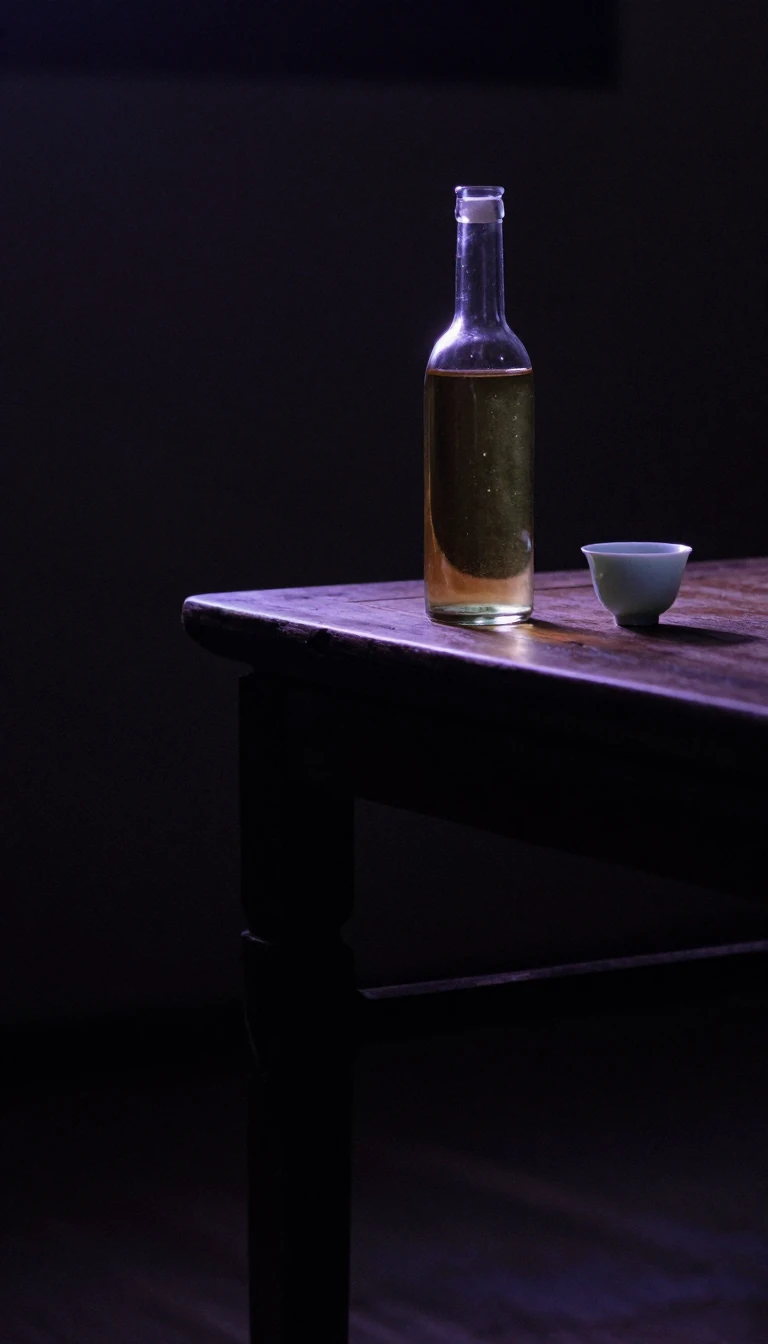
In short: Often dismissed as mere dessert accompaniments, liqueurs are complex concoctions of spirits, fruits, herbs, and spices. With roots in 13th-century French monasteries, these drinks evolved from medicinal elixirs into the diverse, sweetened spirits we enjoy today. Understanding them requires navigating a global web of varying regulations and surprising chemical reactions.
The term liqueur traces its origins to the Latin word liquifacere, meaning to dissolve. Historically, these beverages were crafted by monks as early as the 13th century, serving as medicinal tonics before transitioning into the culinary and cocktail staples recognized today. While modern production varies globally, the fundamental process involves blending distilled spirits with plant-derived flavorings—such as fruits, flowers, or herbs—and a significant amount of sweetener. This resting period allows flavors to mingle, creating the distinct profiles found in bottles like Chartreuse.
Regulatory definitions of what constitutes a liqueur vary significantly by region. In the European Union, a liqueur must contain at least 15% alcohol by volume and a minimum of 100 grams of inverted sugar per liter. Conversely, in the United States and Canada, regulations often focus on the weight of additives, requiring at least 2.5% of the final product to consist of sweeteners or plant extracts. This lack of global standardization often leads to confusion, particularly as the distinction between liqueurs and flavored liquors, like vodka, becomes increasingly blurred in modern markets.
Beyond their composition, liqueurs offer unique physical properties that bartenders exploit for aesthetic effect. The 'ouzo effect,' for instance, occurs in anise-based liqueurs when the addition of water causes essential oils to coalesce, turning a transparent liquid cloudy. Similarly, the varying densities of different liqueurs allow for the creation of layered drinks, where liquids are carefully floated over one another using a spoon. Whether used to add vibrant color to a cocktail or to provide a subtle flavor base, liqueurs remain a versatile tool in both the kitchen and the bar, provided one navigates the complexities of their production and legal status.
Opens the Intellect+ feed with this card first. Swipe up for the next one.
Sources
- Summary by Intellect · source: Liqueur
To cite this card, link to https://intellectplus.co.uk/app/food-liqueur.
How we source, check and correct cards: Editorial standards.
General information, not professional advice. Spotted an error? Flag the card or see corrections and complaints.
Intellect Plus is a visual educational discovery platform for exploring fascinating facts and ideas. Brain Food, Not Brain Rot. What is Intellect Plus?
Related
More in Cooking, food and drink · More in Food & Drink · Latest · A–Z · All topics
