A computer cluster turns a group of independent machines into one powerful, unified system.
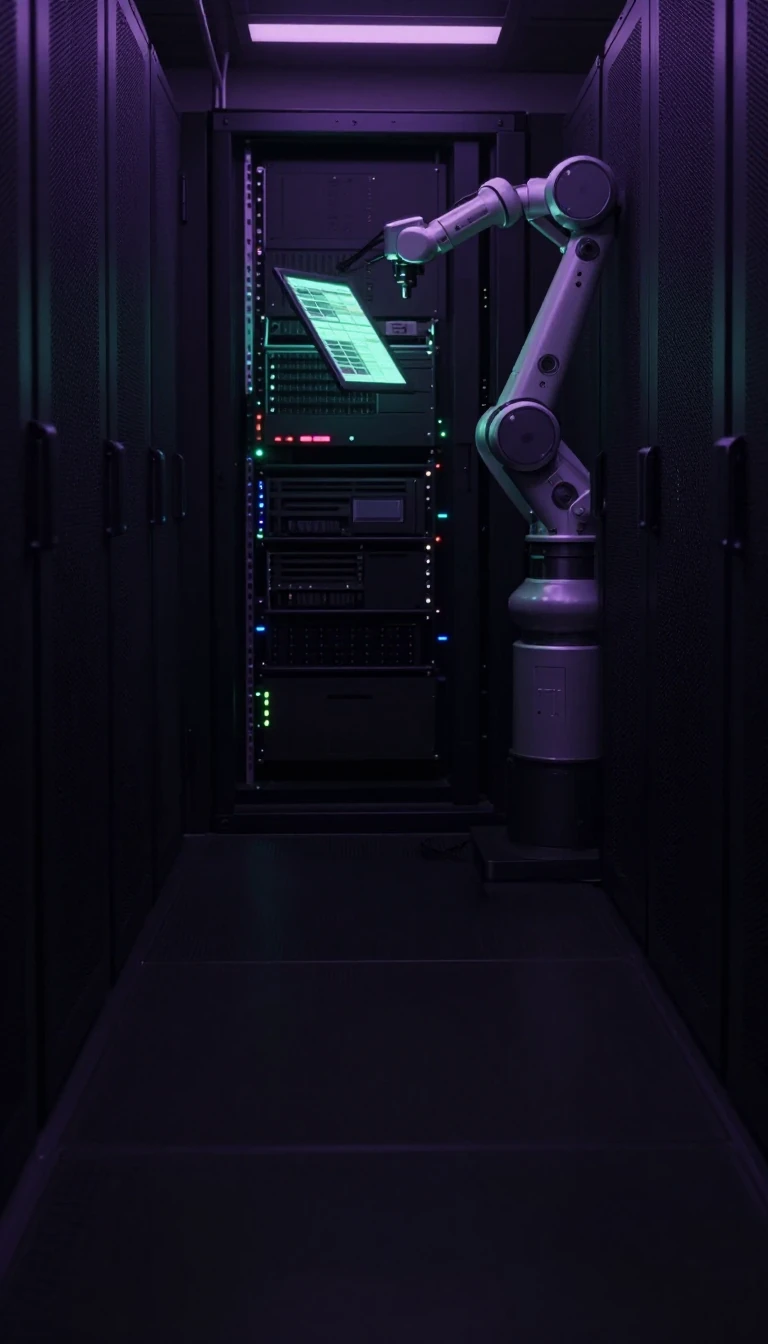
In short: By linking multiple computers through high-speed networks, clusters offer a cost-effective alternative to expensive, single-unit mainframes. Whether powering massive scientific simulations or ensuring your bank transactions never fail, these orchestrated systems provide the scalability and reliability that modern computing demands, all while appearing as a single, cohesive unit to users.
Computer clusters emerged from the convergence of low-cost microprocessors, high-speed networking, and distributed computing software. Unlike grid computing, which is highly distributed, clusters rely on centralized management to orchestrate nodes—often standard servers—to perform tasks as a single system. This architecture allows for horizontal scaling, where adding more nodes increases performance and fault tolerance without the prohibitive costs associated with upgrading a single, massive machine.
The history of clustering is tied to the evolution of networking and the need for reliable, parallel processing. While early concepts appeared in the 1960s, commercial adoption accelerated in the 1980s with products like Digital Equipment Corporation's VAXcluster. Today, clusters are ubiquitous, supporting everything from web services to complex astrophysical simulations. They utilize specialized middleware to manage communication, often employing standards like the Message Passing Interface (MPI) to coordinate tasks across nodes, whether they are physical servers or virtualized instances.
Reliability is a cornerstone of cluster design, particularly in high-availability (HA) configurations. To prevent a single malfunctioning node from crashing the entire system, engineers use 'fencing' techniques. Methods like STONITH—'Shoot The Other Node In The Head'—physically power off a failing node, while resource fencing isolates it from shared storage. This ensures that the remaining nodes can continue operating, maintaining service availability even during hardware failures or maintenance cycles.
Despite their advantages, clusters introduce significant administrative complexity. Managing N nodes can be as demanding as managing N independent machines, leading to ongoing research into better task scheduling and resource allocation, particularly in heterogeneous environments using both CPUs and GPUs. As computing needs grow, the shift toward cloud-based clusters and the repurposing of consumer hardware, such as game consoles, continues to push the boundaries of what these distributed systems can achieve.
Opens the Intellect+ feed with this card first. Swipe up for the next one.
Sources
- Summary by Intellect · source: Computer cluster
To cite this card, link to https://intellectplus.co.uk/app/technology-computer-cluster.
How we source, check and correct cards: Editorial standards.
General information, not professional advice. Spotted an error? Flag the card or see corrections and complaints.
Intellect Plus is a visual educational discovery platform for exploring fascinating facts and ideas. Brain Food, Not Brain Rot. What is Intellect Plus?
Related
More in Computing and information technology · More in Technology · Latest · A–Z · All topics
