The cruiser is not a ship type, but a mission that evolved into a weapon.
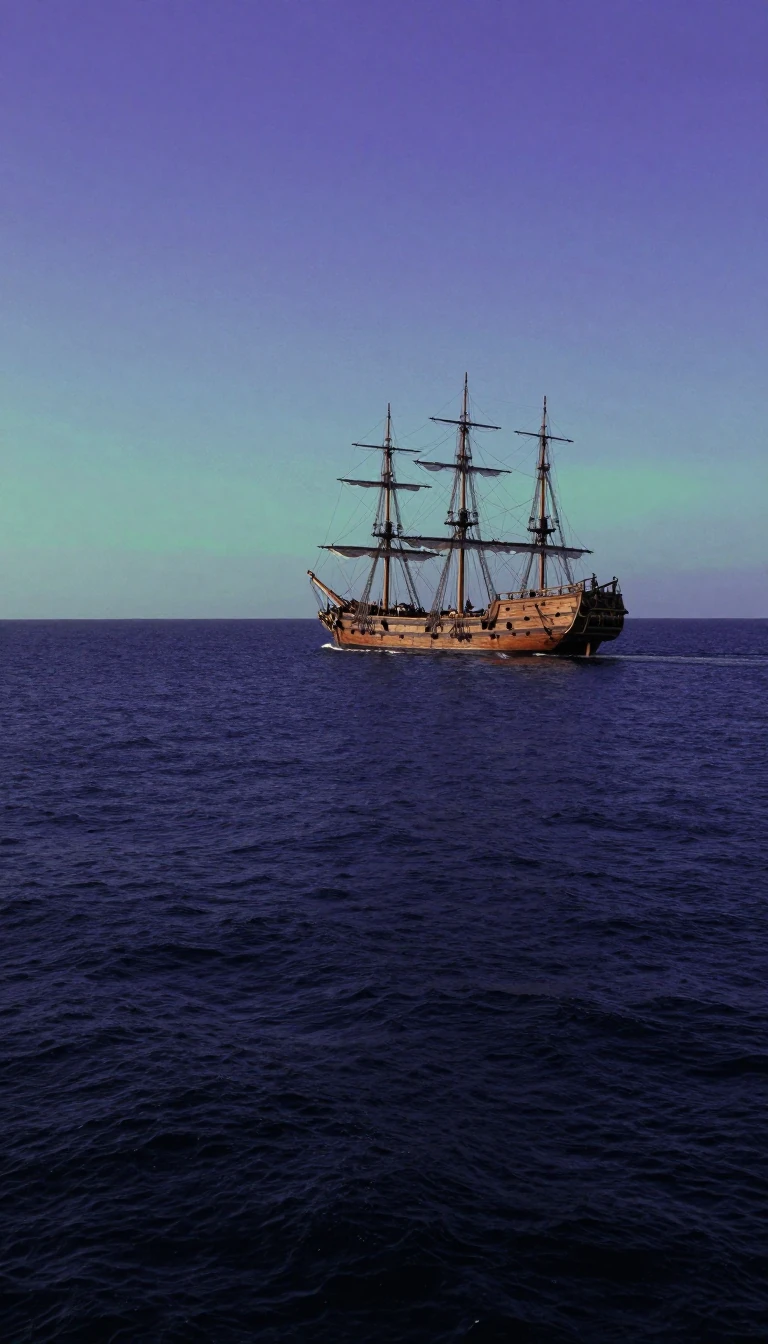
In short: For centuries, the cruiser was defined by its purpose: independent scouting, commerce raiding, and long-range patrol. It began as a flexible mission for frigates and sloops, eventually transforming into a specialized class of heavily armed, high-speed warships that dominated the seas before being superseded by guided-missile technology.
The term cruiser originated in the 17th century, describing a role rather than a vessel. Ships of the line were too expensive and strategically vital to risk on long-range missions to the Americas, so navies deployed smaller, faster vessels like frigates and sloops to protect trade or disrupt enemy shipping. By the mid-19th century, the classification solidified as navies experimented with steam power and iron armor. The 1874 launch of the Russian General-Admiral marked the first true armored cruiser, a vessel designed to balance speed with the protection needed to survive independent operations.
As naval technology advanced, the lines between ship types blurred. The 1883 launch of the Chilean Esmeralda pioneered the protected cruiser, utilizing steel armor to achieve combat effectiveness without the weight of traditional iron. By the early 20th century, the battlecruiser emerged as a massive, fast capital ship intended to hunt down enemy cruisers. However, these vessels often sacrificed armor for speed, a vulnerability that proved catastrophic at the Battle of Jutland. Meanwhile, international treaties in the 1920s and 1930s attempted to curb arms races by limiting displacement and gun caliber, leading to the rise of treaty cruisers and the distinction between heavy and light classes.
World War II reshaped the cruiser's identity once more. Japan’s development of the oxygen-powered Type 93 torpedo gave their cruisers a lethal edge in 1942, while the Allies increasingly relied on cruisers for anti-aircraft defense. This shift toward air defense culminated in the anti-aircraft cruiser, such as the British Dido class and the American Atlanta class. Following the war, the rise of guided missiles rendered traditional gun-based cruisers obsolete, leading to the modern guided-missile cruiser. Today, these ships remain among the largest in a fleet, continuing the cruiser's long history of adapting to the changing demands of naval warfare.
Opens the Intellect+ feed with this card first. Swipe up for the next one.
Sources
- Summary by Intellect · source: Cruiser
To cite this card, link to https://intellectplus.co.uk/app/technology-cruiser.
How we source, check and correct cards: Editorial standards.
General information, not professional advice. Spotted an error? Flag the card or see corrections and complaints.
Intellect Plus is a visual educational discovery platform for exploring fascinating facts and ideas. Brain Food, Not Brain Rot. What is Intellect Plus?
Related
More in Military technology · More in Technology · Latest · A–Z · All topics
