The curtain wall was the backbone of ancient and medieval defensive architecture
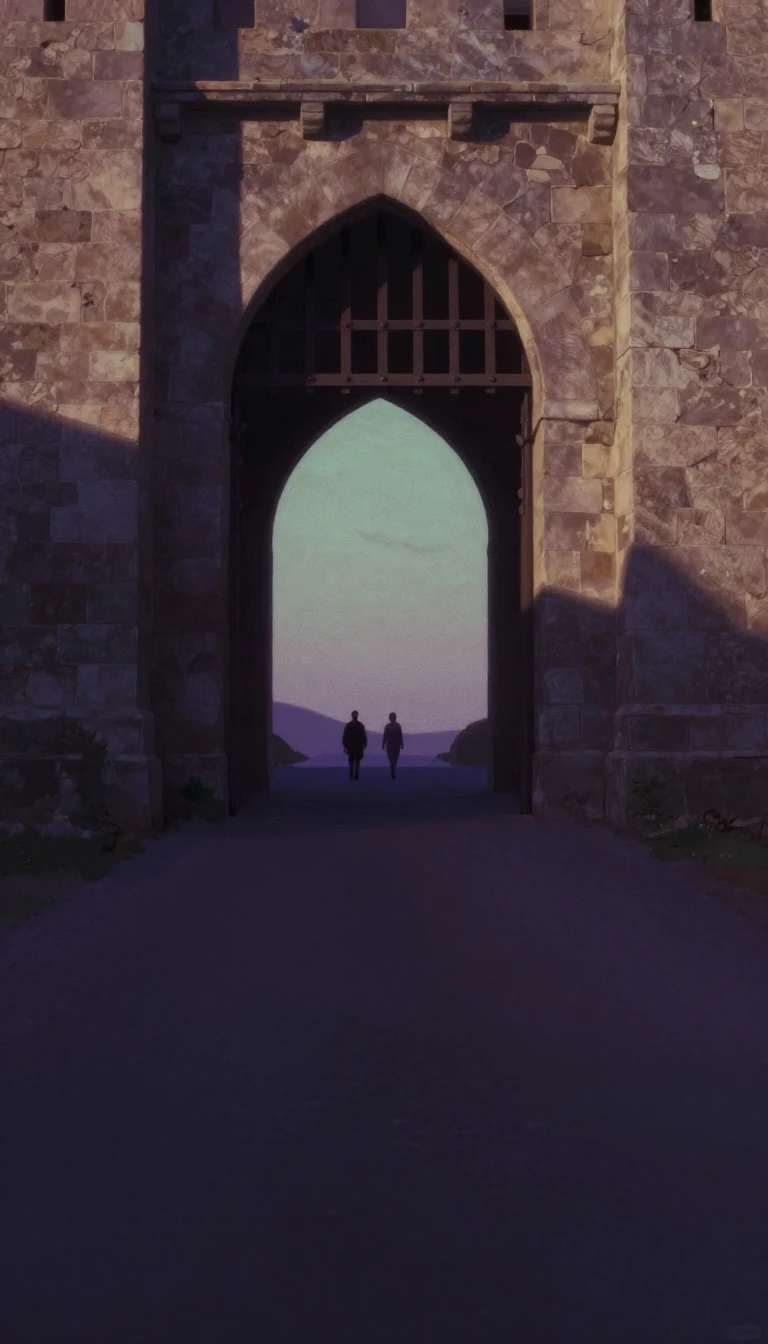
In short: Before gunpowder changed the rules of war, the curtain wall served as the primary barrier between a fortress and its attackers. By linking towers and bastions into a single, formidable line, these structures defined the landscape of power from ancient Egypt to the high Middle Ages across Europe.
The curtain wall is defined as the defensive stretch of masonry connecting towers or bastions. Historically, these structures were essential for enclosing a bailey, creating a secure space for a castle or town. Evidence of such defensive systems dates back to ancient civilizations, including Assyria and Egypt, with notable examples found at Tel Lachish and Buhen. Later, the Roman Empire utilized these walls extensively, and the early 5th-century Theodosian Walls of Constantinople became a significant architectural influence for medieval castle builders centuries later.
Medieval designers prioritized height and depth to deter assault. Walls were often fronted by moats or ditches and topped with battlements, featuring crenellated parapets with merlons for protection and crenels for firing. Defenders utilized wall walks to move between positions, while larger walls incorporated internal galleries and arrowslits. To address the blind spot at the base of the wall, engineers added wooden hoardings or stone machicolations, allowing defenders to drop projectiles directly onto attackers who had reached the foot of the structure.
The rise of gunpowder in the 16th century rendered these tall, imposing walls vulnerable to heavy cannon fire. This shift forced a radical evolution in military engineering known as the trace italienne. In this new style, the height of the curtain walls was significantly reduced, and fortifications were redesigned to include additional outworks like ravelins and tenailles. These features were specifically intended to shield the primary curtain walls from direct bombardment, marking the end of the era where height alone could guarantee a fortress's survival against an advancing enemy.
Opens the Intellect+ feed with this card first. Swipe up for the next one.
Sources
- Summary by Intellect · source: Curtain wall (fortification)
To cite this card, link to https://intellectplus.co.uk/app/technology-curtain-wall-fortification.
How we source, check and correct cards: Editorial standards.
General information, not professional advice. Spotted an error? Flag the card or see corrections and complaints.
Intellect Plus is a visual educational discovery platform for exploring fascinating facts and ideas. Brain Food, Not Brain Rot. What is Intellect Plus?
Related
More in Military technology · More in Technology · Latest · A–Z · All topics
