From simple earth mounds to complex artillery bastions, the rampart defined defensive warfare.
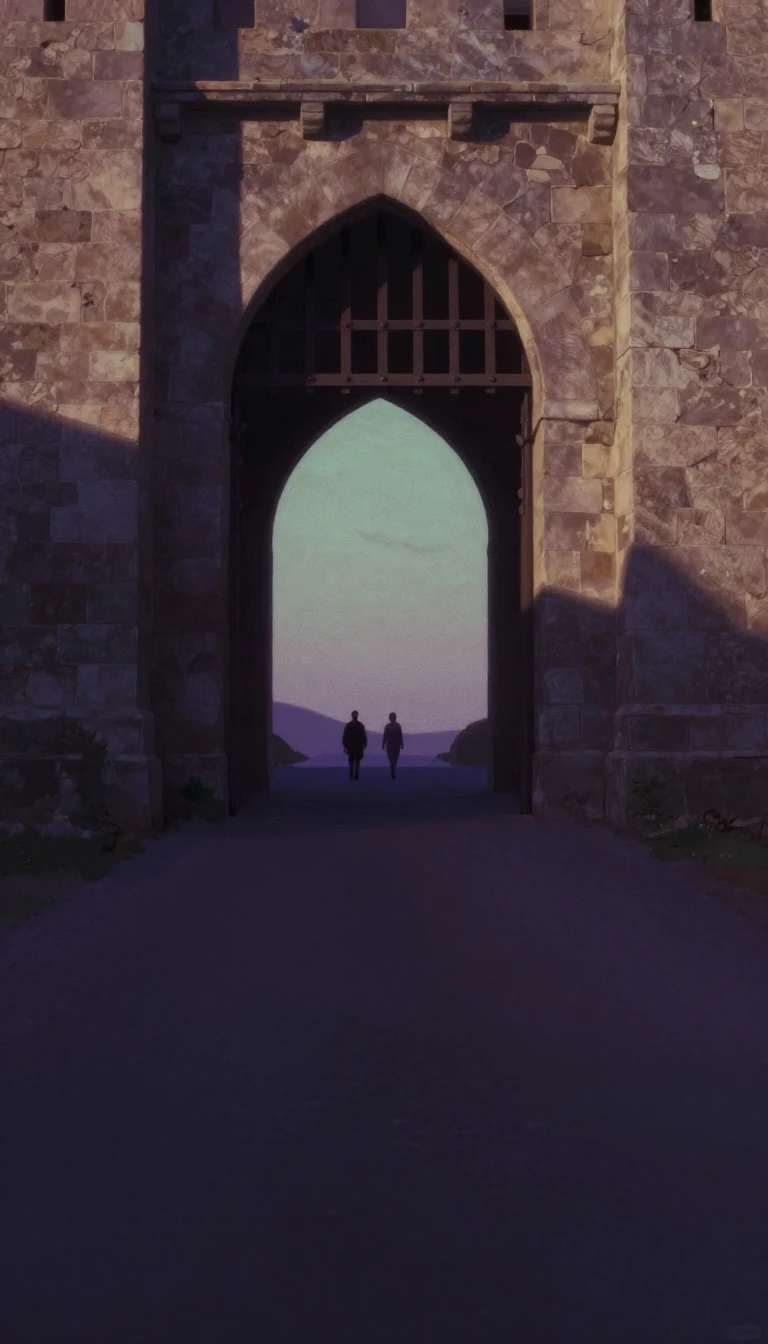
In short: A rampart is more than just a wall; it is a sophisticated defensive boundary designed to protect settlements and castles. From prehistoric earthworks to the angular bastions of the gunpowder era, these structures evolved alongside military technology, constantly adapting to counter new threats and changing battlefield tactics for centuries.
At its most fundamental level, a rampart is a broad-topped embankment or wall forming the perimeter of a fortified site. Early versions, common from prehistory through the Early Middle Ages, relied on simple mounds of earth and stone, often paired with external ditches. These structures were frequently reinforced with timber palisades to increase their height and defensive utility. More complex designs emerged, such as the Pfostenschlitzmauer, a post-slot wall used in Central Europe, or vitrified ramparts, where stone was fired to potentially enhance structural integrity.
As societies advanced, ramparts became more elaborate. Classical civilizations constructed tall stone or brick barriers, such as Hadrian's Wall and the Walls of Constantinople, featuring dedicated wall walks for defenders and parapets for protection. By the medieval period, the Norman motte and bailey castle utilized these earthworks extensively. These fortifications incorporated specialized features like machicolations for dropping projectiles, arrowslits for safe firing, and brattices to improve fields of fire, all managed from the chemin de ronde, or wall walk.
The advent of artillery in the 15th century forced a radical redesign. High, thin walls were vulnerable to cannon fire, leading to the development of lower, thicker ramparts. Ravenscraig Castle in Scotland, built in 1460, stands as an early example of this transition. By the 16th century, the trace italienne emerged, featuring angular bastions that allowed for interlocking fields of fire. These massive earthen banks, often faced with stone, were perfected by engineers like Vauban and Van Coehoorn, remaining the dominant fortification style until the mid-19th century.
These later artillery ramparts were complex machines of war. They included the terreplein, a fighting platform for troops, and the banquette, a step allowing soldiers to fire small arms over the parapet. To survive modern bombardment, they utilized traverses to block enfilade fire and casemates for protected storage or gun emplacements. Today, these sites serve as vital archaeological records, revealing the local conditions and tactical priorities of the eras in which they were constructed.
Opens the Intellect+ feed with this card first. Swipe up for the next one.
Sources
- Summary by Intellect · source: Rampart (fortification)
To cite this card, link to https://intellectplus.co.uk/app/technology-rampart-fortification.
How we source, check and correct cards: Editorial standards.
General information, not professional advice. Spotted an error? Flag the card or see corrections and complaints.
Intellect Plus is a visual educational discovery platform for exploring fascinating facts and ideas. Brain Food, Not Brain Rot. What is Intellect Plus?
Related
More in History · Latest · A–Z · All topics
