Microgeneration turns homes into power plants to bypass traditional, centralized energy grids.
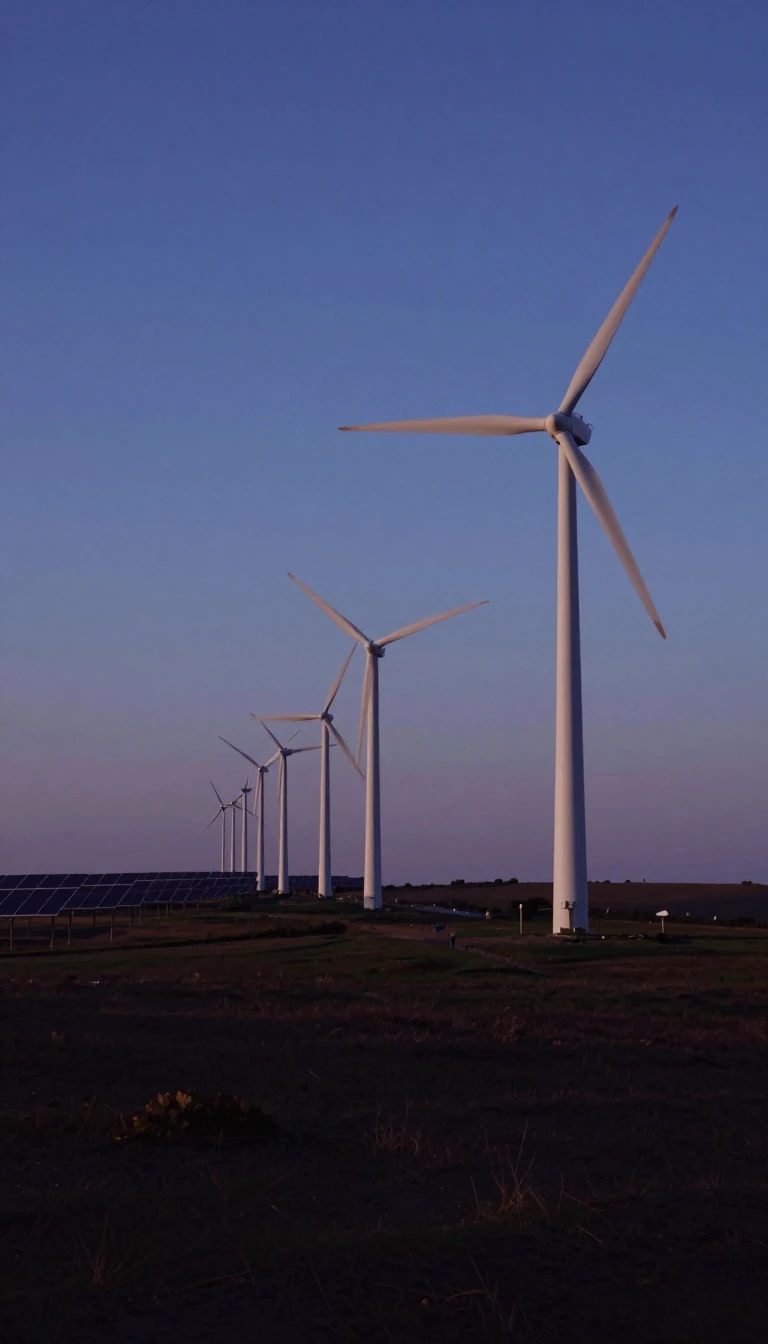
In short: Small-scale energy production—from solar panels to wind turbines—allows households to generate their own electricity. By decentralizing power, these systems can slash costs, improve efficiency by eliminating long-distance transmission losses, and even allow homeowners to sell surplus energy back to the grid, transforming passive consumers into active energy producers.
Microgeneration refers to the small-scale production of heat or electricity from low-carbon sources. While the concept gained momentum following the 1973 oil crisis and the Yom Kippur War, its roots in solar water heating predate 1900. Modern systems often combine multiple technologies, such as solar photovoltaic panels, wind turbines, or ground source heat pumps, into hybrid solutions that outperform single-generator setups. These systems can operate off-grid, requiring battery storage and charge controllers, or remain grid-connected to leverage financial recompensation schemes.
The infrastructure required for these systems, known as the balance of system, includes inverters to convert DC power to AC and safety equipment like surge protectors and isolators. In the developing world, cost-effective solutions like prefabricated wiring harnesses allow non-experts to install systems safely. Conversely, in the UK, government grants and the Microgeneration Certification Scheme support adoption. When these technologies reach grid parity—the point where their levelized cost of energy matches or undercuts grid prices—they become viable for widespread use without subsidies. On-shore wind reached this milestone around 2000, followed by solar in Spain in 2013.
Beyond simple generation, microgeneration offers a path toward self-sufficient housing, often integrated with permaculture or rainwater harvesting. Emerging innovations like Vibro-Wind technology, which uses piezoelectric transducers to convert mechanical vibrations into electricity, promise to expand generation capabilities to low-wind environments. By dynamically balancing supply and demand, these decentralized systems reduce energy waste, avoiding the 8–15% losses typically incurred during long-distance transmission and transformer conversion. Ultimately, microgeneration shifts the energy paradigm from passive consumption to active, localized management.
Opens the Intellect+ feed with this card first. Swipe up for the next one.
Sources
- Summary by Intellect · source: Microgeneration (energy)
To cite this card, link to https://intellectplus.co.uk/app/technology-microgeneration-energy.
How we source, check and correct cards: Editorial standards.
General information, not professional advice. Spotted an error? Flag the card or see corrections and complaints.
Intellect Plus is a visual educational discovery platform for exploring fascinating facts and ideas. Brain Food, Not Brain Rot. What is Intellect Plus?
Related
More in Energy · More in Technology · Latest · A–Z · All topics
