Field-programmable gate arrays allow engineers to rewrite hardware logic long after manufacturing is complete.
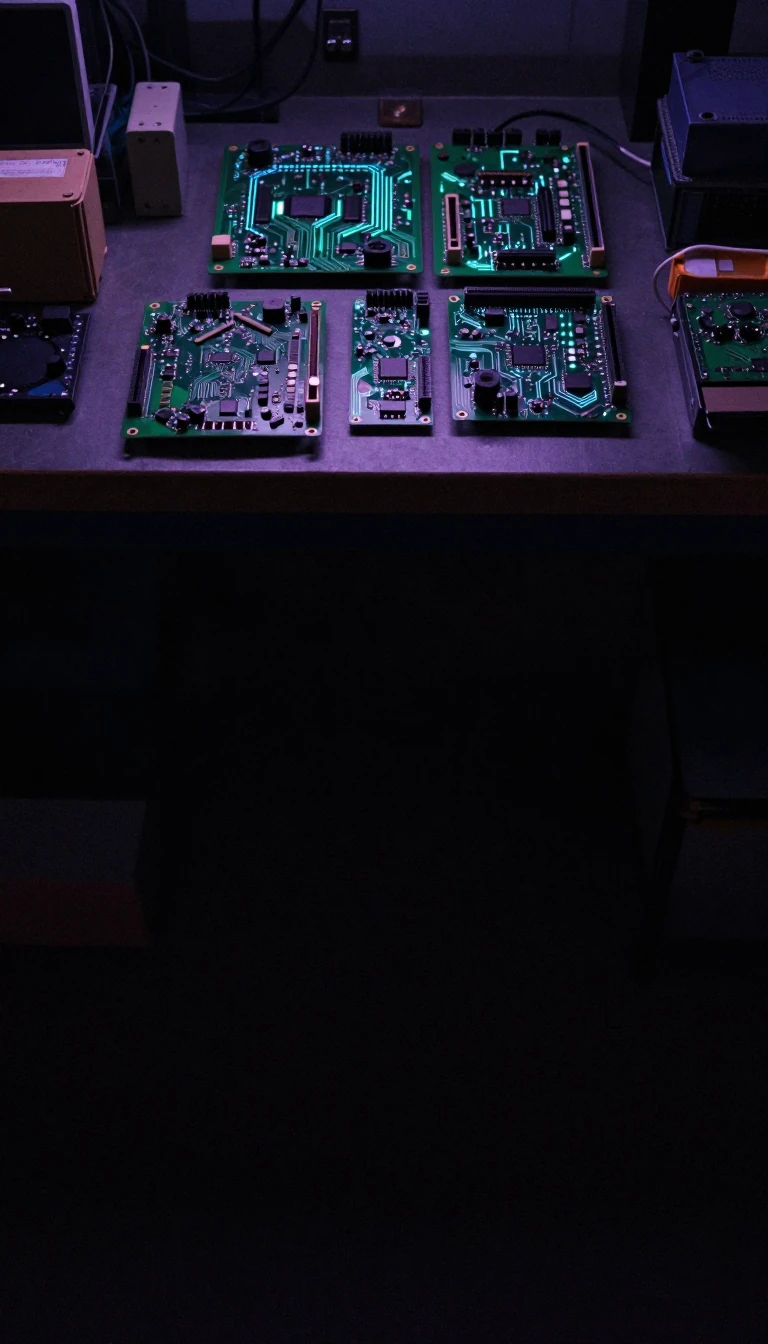
In short: Unlike standard chips, field-programmable gate arrays (FPGAs) are not locked into a single function. These versatile integrated circuits can be reconfigured in the field to perform diverse digital tasks. From accelerating search engine data centers to powering complex aerospace systems, FPGAs provide a unique blend of flexibility and high-speed performance.
At their core, FPGAs are grids of programmable logic blocks connected by routing channels. Unlike application-specific integrated circuits (ASICs) designed for a single, permanent purpose, FPGAs can be reprogrammed to implement different logic functions. This adaptability makes them ideal for research, development, and low-quantity production where the high costs of custom manufacturing are prohibitive. By using hardware description languages like VHDL or Verilog, developers can define high-level behaviors that the FPGA then executes through its internal fabric.
The technology emerged in the mid-1980s, with Xilinx delivering the first commercially viable FPGA, the XC2064, in 1985. Since then, the industry has evolved from simple logic gates to sophisticated systems on a chip. Modern FPGAs often integrate hard intellectual property cores—such as high-speed transceivers, Ethernet controllers, and even dual-core ARM processors—alongside their programmable fabric. This hybrid approach allows designers to achieve ASIC-level performance for specific tasks while retaining the ability to update the system architecture after deployment.
Designers face significant challenges, particularly in managing timing constraints and signal integrity across complex, high-speed buses. To address these, manufacturers employ advanced techniques like floor planning and 3D stacked-die assemblies, which allow different parts of an FPGA to be built using optimized process technologies. Whether through proprietary software tools or open-source hardware libraries, FPGAs continue to bridge the gap between software-like reconfigurability and the raw, parallel processing power of dedicated hardware.
Today, FPGAs are critical to high-performance computing, including AI workloads and cloud platforms like Microsoft Azure. By allowing developers to start software development simultaneously with hardware design, FPGAs significantly shorten iteration cycles. As they continue to integrate analog features and specialized AI engines, these devices remain a cornerstone of modern digital infrastructure, blurring the lines between static hardware and dynamic, reconfigurable computing.
Opens the Intellect+ feed with this card first. Swipe up for the next one.
Sources
- Summary by Intellect · source: Field-programmable gate array
To cite this card, link to https://intellectplus.co.uk/app/technology-field-programmable-gate-array.
How we source, check and correct cards: Editorial standards.
General information, not professional advice. Spotted an error? Flag the card or see corrections and complaints.
Intellect Plus is a visual educational discovery platform for exploring fascinating facts and ideas. Brain Food, Not Brain Rot. What is Intellect Plus?
Related
More in Technology today · More in Technology · Latest · A–Z · All topics
