Why custom-built computer chips are the secret engine of modern high-volume electronics
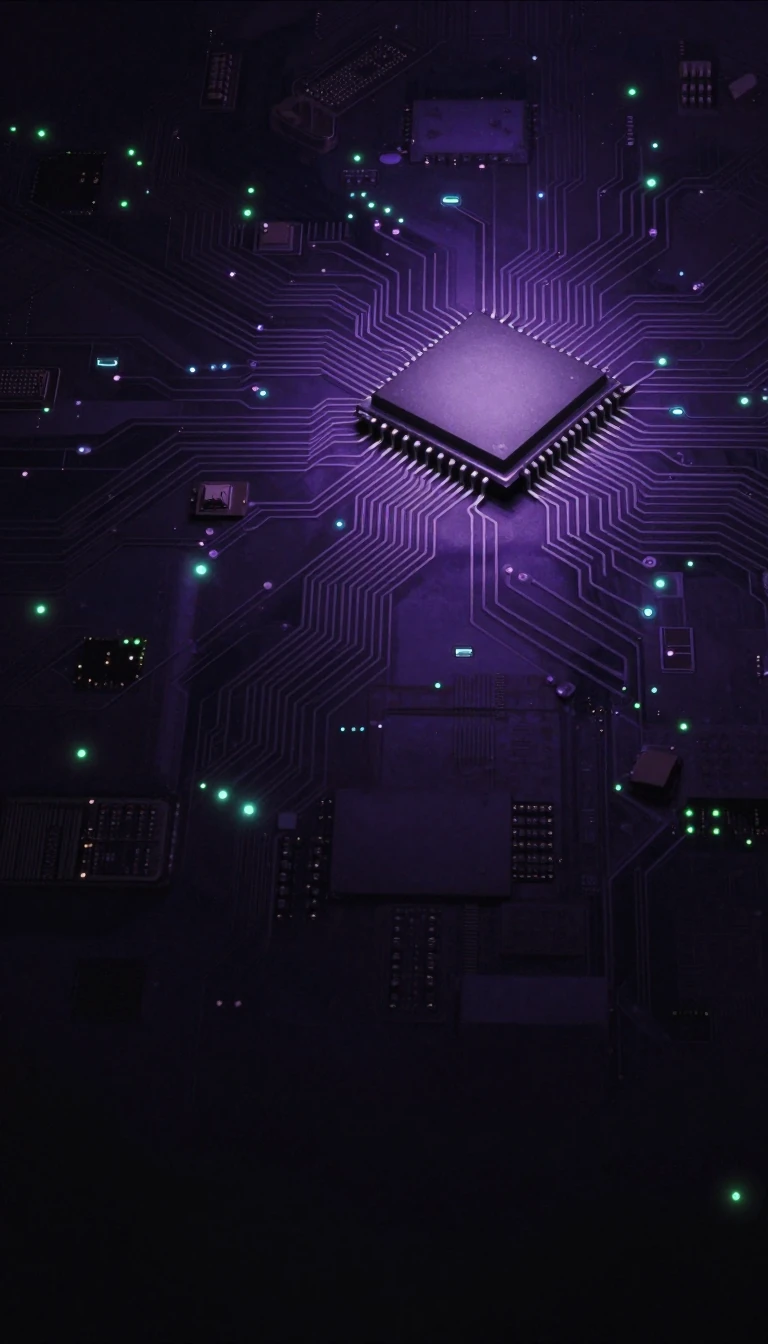
In short: An application-specific integrated circuit, or ASIC, is a chip engineered for one singular purpose rather than general use. While expensive to develop, these custom circuits power everything from voice recorders to complex video codecs, offering unparalleled efficiency for products manufactured at the massive scales required by modern global technology.
An ASIC is a specialized integrated circuit designed for a specific application. Unlike general-purpose chips, ASICs are tailored for tasks like video encoding or voice recording. As design tools have evolved, the complexity of these chips has exploded, growing from 5,000 logic gates in early iterations to over 100 million in modern devices. Today, many ASICs function as systems-on-chip, integrating microprocessors, memory blocks, and other large components onto a single piece of silicon.
The development of an ASIC is a rigorous process involving hardware description languages like Verilog or VHDL. Because ASICs cannot be reprogrammed once fabricated, functional verification is critical to avoid costly errors. The design flow includes logic synthesis, placement, and routing, where automated tools help map the design onto physical silicon. Designers must balance performance, power, and area, often requiring multiple iterations before the final photomask information is sent to a foundry for manufacturing.
Economic factors drive the choice between ASICs and alternatives like field-programmable gate arrays (FPGAs). FPGAs are flexible and cost-effective for prototyping or low-volume production, but ASICs become the superior choice for very large production runs where high non-recurring engineering costs can be amortized across millions of devices. To manage these costs, designers often use standard-cell libraries or structured ASIC platforms, which utilize pre-characterized functional blocks to reduce design time and risk.
The industry also relies heavily on intellectual property cores—pre-designed sub-components like CPUs or Ethernet interfaces—which can be purchased or licensed. By reusing these verified blocks, companies can cut product cycle times significantly. Whether through full-custom designs that optimize every layer or structured approaches that bridge the gap between flexibility and performance, the ASIC remains the bedrock of high-efficiency, high-volume hardware.
Opens the Intellect+ feed with this card first. Swipe up for the next one.
Sources
- Summary by Intellect · source: Application-specific integrated circuit
To cite this card, link to https://intellectplus.co.uk/app/technology-application-specific-integrated-circuit.
How we source, check and correct cards: Editorial standards.
General information, not professional advice. Spotted an error? Flag the card or see corrections and complaints.
Intellect Plus is a visual educational discovery platform for exploring fascinating facts and ideas. Brain Food, Not Brain Rot. What is Intellect Plus?
Related
More in Electronics · More in Technology · Latest · A–Z · All topics
