Is the Earth a single, self-regulating organism, or just a complex, lucky coincidence?
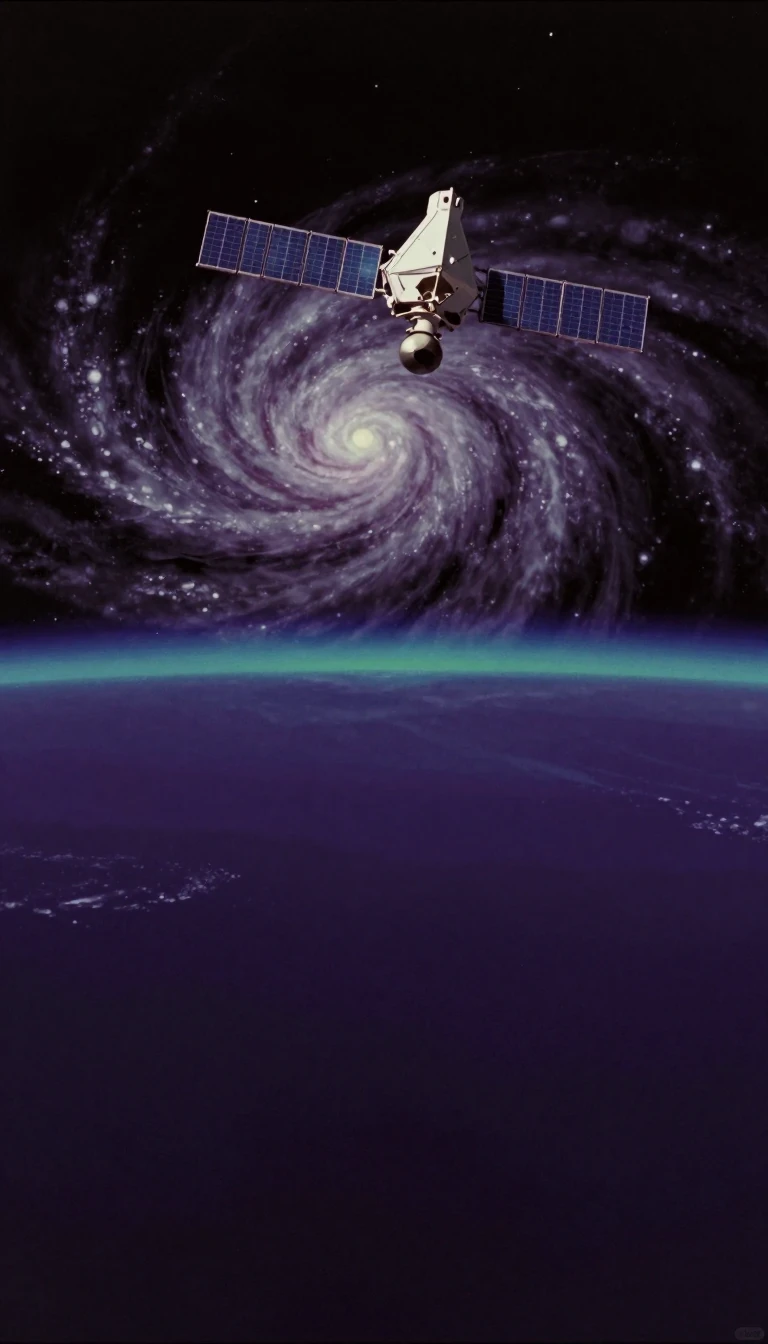
In short: The Gaia hypothesis suggests that life on Earth actively maintains the planet's habitability through a massive, interconnected feedback loop. Formulated in the 1970s, this controversial idea posits that organisms and their inorganic environment co-evolve to regulate temperature, ocean salinity, and atmospheric composition, effectively turning the planet into a self-sustaining system.
Formulated by chemist James Lovelock and microbiologist Lynn Margulis, the Gaia hypothesis proposes that Earth functions as a synergistic, self-regulating complex system. Lovelock, inspired by a suggestion from novelist William Golding, named the concept after the Greek primordial deity of Earth. The core idea is that living organisms, particularly microorganisms, interact with inorganic elements to maintain conditions—such as surface temperature and atmospheric oxygen—that are optimal for life. This perspective shifts the view of Earth from a passive backdrop for evolution to an active, evolving participant in the survival of its inhabitants.
The hypothesis relies on the concept of cybernetic feedback. Lovelock and Andrew Watson illustrated this with 'Daisyworld,' a mathematical model where competition between black and white daisies regulates planetary temperature. As temperatures rise, white daisies—which reflect more light—outreproduce black ones, cooling the planet. When temperatures fall, black daisies thrive, absorbing more sunlight to warm it. While this model demonstrates how competition can lead to stability, critics argue that the hypothesis is teleological, implying the Earth acts with purpose. Lovelock rejected this, but many scientists remain skeptical, noting that historical events like 'Snowball Earth' suggest the biosphere cannot always maintain equilibrium.
Margulis, a key collaborator, emphasized that Gaia is not a single organism but an emergent property of interacting ecosystems. She argued that the planet's atmosphere, seas, and crust are shaped by the collective actions of diverse lifeforms. While the hypothesis has faced significant resistance, it has influenced fields like Earth system science and deep ecology. Today, the debate continues over whether the Earth's stability is a result of active biological regulation or a series of physical and chemical processes that life merely inhabits, leaving the true nature of our planetary home a subject of intense scientific inquiry.
Opens the Intellect+ feed with this card first. Swipe up for the next one.
Sources
- Summary by Intellect · source: Gaia hypothesis
To cite this card, link to https://intellectplus.co.uk/app/technology-gaia-hypothesis.
How we source, check and correct cards: Editorial standards.
General information, not professional advice. Spotted an error? Flag the card or see corrections and complaints.
Intellect Plus is a visual educational discovery platform for exploring fascinating facts and ideas. Brain Food, Not Brain Rot. What is Intellect Plus?
Related
More in Technology today · More in Technology · Latest · A–Z · All topics
